Triple Your Rose Blooms This Summer with These Simple Tricks
Boost your rose blooms this summer with these simple tricks. Follow these expert tips for a garden full of vibrant roses.
A flourishing rose garden is a sight to behold. Roses need specific care to bloom profusely. With the right techniques, you can triple your rose blooms this summer. Start by ensuring your roses get at least six hours of sunlight daily.
Water them deeply but infrequently, promoting strong root growth. Pruning is essential; remove dead or weak stems to encourage new growth. Regular feeding with a balanced fertilizer will provide the nutrients they need. Mulch around your roses to retain moisture and suppress weeds. By following these straightforward steps, you’ll enjoy a garden bursting with beautiful roses all summer long.
Choose The Right Variety
One secret to tripling your rose blooms is selecting the right variety. Not all roses are the same. Some bloom more abundantly than others. Picking the perfect type can make a huge difference.
Best Varieties For Abundant Blooms
Here are some rose varieties known for their abundant blooms:
- Knock Out Roses: These are disease-resistant and bloom all season.
- Floribunda Roses: Known for clusters of blooms, they offer a stunning display.
- Grandiflora Roses: These have large, showy flowers and bloom repeatedly.
- Climbing Roses: Ideal for trellises, they bloom continuously.
Factors To Consider
When choosing a rose variety, consider these key factors:
| Factor | Importance |
|---|---|
| Climate | Some roses thrive in specific climates. Check local recommendations. |
| Soil Type | Ensure the soil type matches the needs of your chosen rose. |
| Sunlight | Most roses need at least six hours of sunlight daily. |
| Maintenance | Some varieties need more care. Choose one that fits your schedule. |
Choosing the right variety involves understanding your garden’s conditions. This ensures your roses will thrive and bloom abundantly.
Optimal Planting Location
Achieving a garden brimming with rose blooms starts with choosing the optimal planting location. The right spot ensures your roses get the nutrients and sunlight they need. This section delves into the critical aspects of selecting the best location for planting roses.
Sunlight Requirements
Roses thrive in ample sunlight. Ensure they get at least six hours of direct sunlight daily. Morning sun is ideal as it dries the dew on the leaves, reducing disease risk. Avoid planting roses in shaded areas or near large trees.
Ideal Soil Conditions
Soil quality plays a vital role in rose health. The soil should be well-draining to prevent root rot. Sandy loam soil is ideal as it retains moisture yet drains well. The pH level should be slightly acidic to neutral, ranging between 6.0 and 7.0.
Adding organic matter like compost can improve soil structure. Compost enhances nutrient content and helps retain moisture. Regular soil testing ensures the right balance of nutrients.
Here’s a quick reference table for ideal soil conditions:
| Soil Type | Drainage | pH Level | Organic Matter |
|---|---|---|---|
| Sandy Loam | Well-draining | 6.0 – 7.0 | High |
Proper Watering Techniques
Watering your roses properly is vital for beautiful blooms. Incorrect watering can lead to weak plants and fewer flowers. Follow these simple watering techniques to triple your rose blooms this summer.
How Often To Water
Roses need consistent moisture for optimal growth. Water your roses deeply twice a week during dry periods. Ensure the soil is moist to a depth of 6 inches. Check the soil before watering again. If it’s still moist, wait a day or two.
Efficient Watering Methods
Using efficient watering methods saves time and water. Consider using a soaker hose or drip irrigation system. These methods deliver water directly to the roots. This helps prevent diseases caused by wet foliage.
| Method | Benefits |
|---|---|
| Soaker Hose | Delivers water directly to roots, reduces evaporation |
| Drip Irrigation | Conserves water, minimizes fungal diseases |
| Hand Watering | Allows for precise control, good for small gardens |
When hand watering, use a watering can or a hose with a soft spray nozzle. This ensures gentle watering without disturbing the soil. Water early in the morning to reduce evaporation and help prevent disease.
- Water deeply to reach the root zone.
- Avoid overhead watering to prevent fungal diseases.
- Mulch around your roses to retain soil moisture.
By following these tips, your roses will thrive and produce more blooms.
Nutrient-rich Soil
To triple your rose blooms this summer, start with nutrient-rich soil. Healthy soil provides essential nutrients, ensuring vigorous growth and abundant flowers. Let’s explore how to enrich your soil and boost your rose blooms.
Natural Fertilizers
Natural fertilizers are key to nutrient-rich soil. They improve soil health and are eco-friendly. Here are some excellent options:
- Compost: Adds organic matter and improves soil structure.
- Manure: Provides essential nutrients and improves soil fertility.
- Bone Meal: Rich in phosphorus, it promotes strong root growth.
- Fish Emulsion: Supplies quick-release nitrogen for vibrant growth.
Apply these fertilizers sparingly. Over-fertilizing can harm your roses.
When To Feed Your Roses
Timing is crucial for feeding roses. Follow this simple schedule:
| Season | Action |
|---|---|
| Early Spring | Apply a balanced fertilizer when new growth appears. |
| Mid-Spring | Use a high-nitrogen fertilizer to encourage leaf growth. |
| Early Summer | Apply a balanced fertilizer to support bloom development. |
| Late Summer | Feed with a potassium-rich fertilizer to strengthen roots. |
Avoid feeding roses in late fall. This can stimulate new growth vulnerable to frost.
By enriching your soil and feeding at the right times, you’ll enjoy triple the blooms this summer!
Pruning For More Blooms
Pruning is the key to getting more rose blooms. It helps your rose plants stay healthy and produce more flowers. Learn how to prune effectively for a garden full of roses this summer.
Best Time To Prune
The best time to prune roses is in early spring. This is when the plants start to wake up from winter dormancy. Prune after the last frost date but before new growth starts. This helps the plant focus energy on new blooms.
| Region | Best Time to Prune |
|---|---|
| North | Late March to early April |
| South | Late February to early March |
| West | Early March to mid March |
| East | Early April to mid April |
Techniques For Effective Pruning
Use clean, sharp pruning shears to avoid damaging the plant. Follow these techniques for the best results:
- Remove Dead Wood: Cut out all dead or diseased wood.
- Thin Out Weak Stems: Remove weak, spindly stems.
- Shape the Plant: Trim to create an open center for air flow.
Make cuts at a 45-degree angle, just above an outward-facing bud. This encourages new growth to spread outwards and not inwards.
Prune about one-third of the plant to promote strong blooms. Too much pruning can stress the plant, so be careful.
By following these simple pruning tips, you can triple your rose blooms this summer. Happy gardening!
Pest And Disease Control
Healthy roses bloom more and look beautiful. Pests and diseases can harm your roses. Keep them safe with these simple tricks.
Common Pests And Solutions
Many pests love roses. They can damage leaves and flowers. Here are some common pests and how to control them:
| Pest | Symptoms | Solution |
|---|---|---|
| Aphids | Sticky leaves, curled edges | Spray with soapy water |
| Spider Mites | Yellow speckled leaves | Use neem oil |
| Japanese Beetles | Skeletonized leaves | Handpick and drop in soapy water |
Preventing Disease
Healthy plants resist diseases better. Follow these tips to keep your roses disease-free:
- Water at the base, not on leaves.
- Ensure good air circulation around plants.
- Remove fallen leaves and debris.
- Use disease-resistant rose varieties.
Some common rose diseases include:
- Black Spot: Remove affected leaves and use fungicide.
- Powdery Mildew: Apply sulfur-based fungicide.
- Rust: Prune infected parts and use fungicide.
With these simple tricks, you can triple your rose blooms this summer.
Mulching Benefits
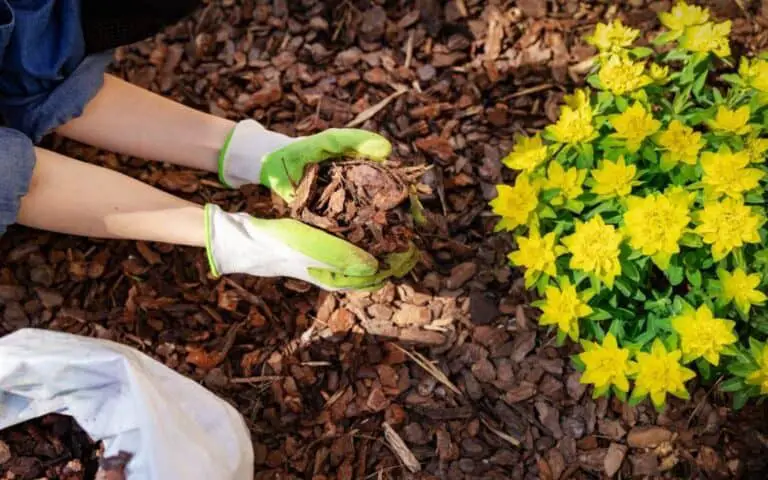
Mulching can significantly enhance your rose garden. It helps retain soil moisture, suppresses weeds, and improves soil fertility. Additionally, mulch protects rose roots from extreme temperatures.
Types Of Mulch
Choosing the right type of mulch is crucial for your rose garden. Here are some popular options:
- Organic Mulch: Includes compost, wood chips, and shredded leaves. It enriches the soil as it decomposes.
- Inorganic Mulch: Includes gravel, stones, and landscape fabric. It doesn’t decompose but provides excellent weed control.
| Type of Mulch | Benefits |
|---|---|
| Compost | Improves soil structure and fertility |
| Wood Chips | Long-lasting and great for moisture retention |
| Shredded Leaves | Cheap and easily available |
| Gravel | Excellent for drainage and weed control |
| Landscape Fabric | Great for long-term weed suppression |
How To Apply Mulch
Proper application of mulch ensures your roses get the best benefits. Follow these steps:
- Clean the Area: Remove any weeds and debris around your rose bushes.
- Apply a Layer: Spread a 2-3 inch layer of mulch around the base of the plants.
- Keep Away from Stems: Ensure the mulch doesn’t touch the stems directly. This prevents rot.
- Water Thoroughly: Water the mulched area to help settle it in place.
Mulching not only beautifies your garden but also boosts your rose blooms. Try these simple tricks and enjoy a flourishing rose garden this summer!

Credit: www.ruralsprout.com
Companion Planting
Companion planting is a great way to boost your rose blooms. It involves planting certain plants together to help each other grow better. This method can improve soil health, deter pests, and enhance growth.
Best Companion Plants
Choosing the right companion plants is key. Here are some of the best options:
- Lavender: Repels pests and attracts beneficial insects.
- Marigolds: Known for deterring nematodes and aphids.
- Chives: Helps to keep aphids away.
- Garlic: Fights off fungal diseases and pests.
- Sage: Keeps away harmful insects.
Benefits Of Companion Planting
Companion planting offers numerous benefits:
| Benefit | Description |
|---|---|
| Pest Control | Certain plants repel harmful insects. |
| Soil Health | Improves nutrient levels in the soil. |
| Growth Boost | Enhances the growth of your roses. |
| Attracts Pollinators | Brings bees and butterflies to your garden. |
By using companion planting, you can make your garden healthier. Your roses will thrive and produce more blooms.
Deadheading For Continuous Bloom
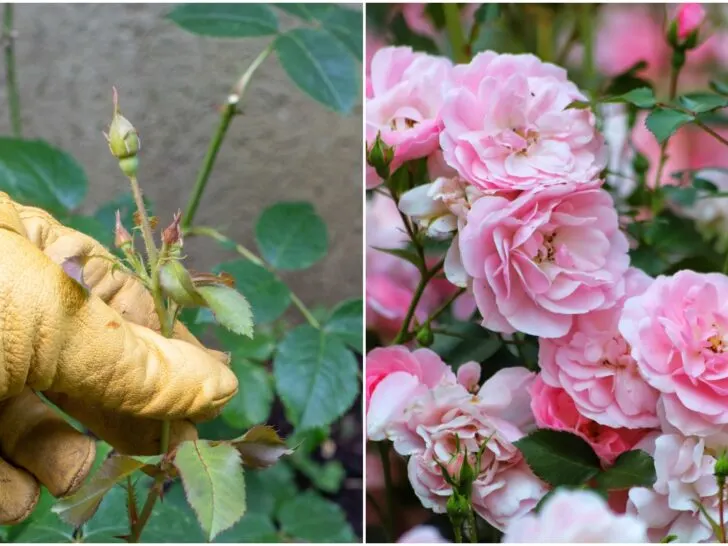
Achieving a garden full of vibrant roses is every gardener’s dream. One key technique to ensure your roses bloom continuously is deadheading. Deadheading is the process of removing spent flowers. This encourages the plant to produce more blooms. Here, we’ll explore how to deadhead roses and the frequency of deadheading for the best results.
How To Deadhead Roses
Deadheading roses is simple and effective. Follow these steps to master this technique:
- Identify the spent bloom. Look for wilted or faded flowers.
- Use sharp, clean pruners. This helps avoid any plant damage.
- Cut just above the first set of healthy leaves. This set usually has five leaflets.
- Make a clean cut at a 45-degree angle. This promotes new growth.
- Dispose of the removed flowers properly. This keeps your garden tidy and healthy.
Frequency Of Deadheading
Knowing how often to deadhead is crucial for continuous blooms. Here’s a handy table to guide you:
| Type of Rose | Deadheading Frequency |
|---|---|
| Hybrid Tea Roses | Every 1-2 weeks |
| Floribunda Roses | Every 2-3 weeks |
| Grandiflora Roses | Every 1-2 weeks |
| Climbing Roses | Monthly |
Regular deadheading ensures your roses stay healthy and vibrant. A consistent schedule helps maximize your blooms.
Credit: www.ruralsprout.com
Seasonal Care Tips
Achieving a garden full of blooming roses takes effort and care. Following seasonal care tips ensures your roses thrive throughout the year. Here are some essential tips to triple your rose blooms this summer and prepare them for the fall.
Summer Care Essentials
Summer is the peak blooming season for roses. Ensure they receive adequate sunlight and water. Water roses early in the morning to avoid fungal diseases. Water deeply once a week, ensuring the soil remains moist but not soggy.
Prune dead blooms regularly to encourage new growth. Use sharp, clean shears to prevent disease spread. Apply a balanced fertilizer every 4-6 weeks during the growing season. This promotes healthy growth and abundant blooms.
| Task | Frequency |
|---|---|
| Watering | Once a week |
| Pruning | As needed |
| Fertilizing | Every 4-6 weeks |
Mulching helps retain soil moisture and keeps roots cool. Spread a 2-3 inch layer of organic mulch around the base. This also suppresses weeds and improves soil quality.
Preparing For Fall
As summer ends, start preparing your roses for fall. Gradually reduce watering to help plants harden off. Stop fertilizing six weeks before the first expected frost. This helps prevent new growth that could be damaged by cold.
Prune lightly to remove any dead or diseased wood. Avoid heavy pruning until late winter or early spring. Apply a final layer of mulch to protect roots from freezing temperatures.
- Reduce watering gradually
- Stop fertilizing six weeks before frost
- Prune lightly to remove dead wood
- Apply final mulch layer
Following these simple seasonal care tips ensures your roses will thrive. Enjoy a garden full of beautiful blooms all summer long and prepare for a healthy transition into fall.
Common Mistakes To Avoid
To get the best rose blooms, avoid common gardening mistakes. Simple errors can prevent your roses from thriving. Learn these common pitfalls and keep your roses healthy and blooming.
Overwatering Issues
Overwatering can damage your rose plants. Roses need well-drained soil to grow well. Too much water can lead to root rot.
Check the soil moisture before watering. Stick your finger into the soil. If it’s still wet, skip watering. Water your roses early in the morning. This allows the leaves to dry before nightfall.
Use a soaker hose or drip irrigation. This ensures water reaches the roots directly. Avoid wetting the leaves as it can cause mildew. Follow these steps to prevent overwatering issues.
Improper Pruning Mistakes
Pruning roses wrong can hinder their growth. Correct pruning encourages more blooms. Prune your roses in early spring. Use clean, sharp tools to make clean cuts.
Remove dead, damaged, or diseased wood first. Cut just above a healthy bud. This promotes new growth. Trim any crossing branches to improve air circulation.
Avoid cutting too much at once. Remove no more than one-third of the plant. This keeps the plant healthy and ready to bloom.
Follow these simple tricks to see your roses thrive. Avoid these common mistakes and enjoy a garden full of vibrant blooms.
:max_bytes(150000):strip_icc()/GettyImages-1482709207-b6698240e2324073882544e4818fa1c4.jpg)
Credit: www.marthastewart.com
Frequently Asked Questions
How Do I Keep My Roses Blooming All Summer?
To keep roses blooming all summer, regularly deadhead spent flowers. Water deeply but avoid overwatering. Apply balanced fertilizer monthly. Ensure proper sunlight, at least 6 hours daily. Prune to encourage new growth.
How Do I Get My Roses To Bloom More Often?
To get your roses to bloom more often, prune regularly, water deeply, fertilize monthly, ensure full sun, and control pests.
How Do You Get Knockout Roses To Bloom All Summer?
To get knockout roses to bloom all summer, prune regularly, water deeply, fertilize monthly, remove spent blooms, and ensure full sun.
Conclusion
Boosting your rose blooms this summer is easier than you think. Follow these simple tricks for stunning results. Regular pruning, proper watering, and feeding are key. Your garden will thank you with vibrant, abundant roses. Enjoy the beauty and fragrance all season long.
Start today and watch your roses thrive!