When Is The Best Time To Plant A Clover Lawn: Ultimate Guide
The best time to plant a clover lawn is early spring or early fall. Cooler temperatures help clover establish roots.
Clover lawns are gaining popularity due to their low maintenance and environmental benefits. Clover is resilient, drought-tolerant, and requires less mowing compared to traditional grass lawns. It enriches the soil by fixing nitrogen, reducing the need for chemical fertilizers. Planting clover in early spring allows it to take advantage of the cool temperatures and spring rains, helping it to establish strong roots.
Early fall is another ideal time, as it provides cooler weather and sufficient moisture before winter. Both seasons offer optimal growing conditions, ensuring a lush, green clover lawn that thrives with minimal care.
Credit: www.thebiglittlegarden.com
Introduction To Clover Lawns
A clover lawn is a beautiful and eco-friendly alternative to traditional grass. Clover lawns are gaining popularity due to their low maintenance and environmental benefits. They are perfect for homeowners who want a lush green yard without extensive care. Let’s explore why clover lawns are a great choice for your garden.
Benefits Of Clover Lawns
- Low Maintenance: Clover requires less mowing and watering.
- Soil Health: Clover improves soil by fixing nitrogen.
- Pest Resistance: Clover is less prone to pests and diseases.
- Bee-Friendly: Clover flowers attract bees and other pollinators.
- Cost-Effective: Clover seeds are cheaper than grass seeds.
Types Of Clover
| Type | Characteristics |
|---|---|
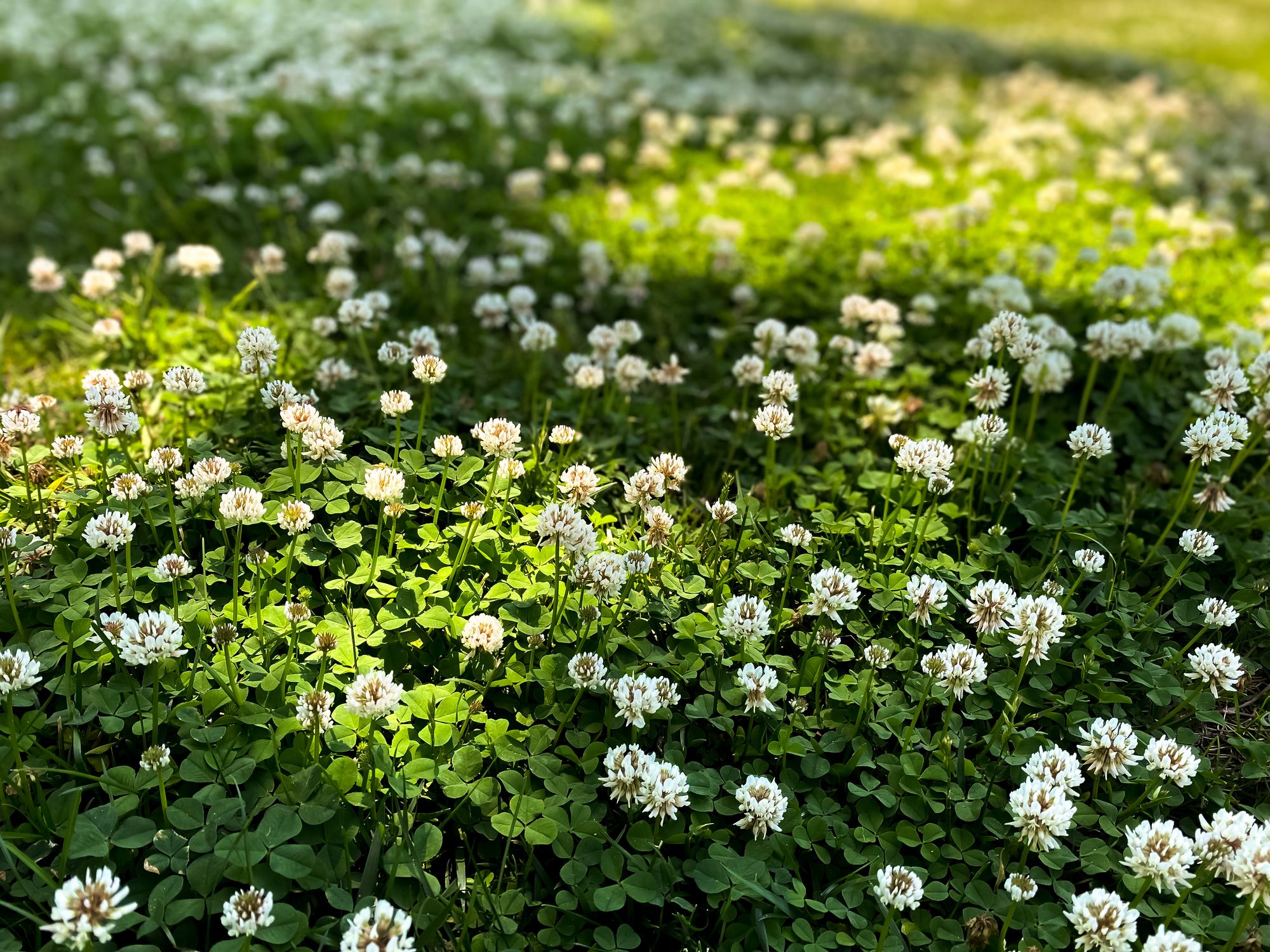
| White Clover | Also known as Dutch Clover, it has small white flowers. |
| Red Clover | Has larger red flowers and grows taller than white clover. |
| Micro Clover | Smaller leaves and flowers, blends well with grass. |
Credit: www.housebeautiful.com
Climate Considerations
Planting a clover lawn can be a great choice for eco-friendly landscaping. Understanding the right time to plant is crucial. Climate considerations play a significant role in ensuring your clover lawn thrives. This section will explore the ideal temperature range and regional variations to help you decide the best planting time.
Ideal Temperature Range
Clover prefers moderate temperatures for optimal growth. The ideal temperature range for planting clover is between 50°F and 75°F. This range provides the right conditions for seeds to germinate and establish roots. Planting outside this range can result in poor growth and weak lawns.
Early spring or early fall are typically the best times. These seasons offer cooler temperatures and adequate moisture. Avoid planting in the hot summer months or freezing winter conditions.
Regional Variations
Different regions have varying climates, affecting the best planting time for clover. Here is a guide to help you:
| Region | Best Planting Time |
|---|---|
| Northwestern United States | Early Spring, Late Summer |
| Northeastern United States | Late Spring, Early Fall |
| Midwestern United States | Spring, Early Fall |
| Southern United States | Fall, Winter |
| Western United States | Spring, Fall |
Northwestern United States: Early spring and late summer are best. The cooler temperatures and moisture levels are ideal.
Northeastern United States: Late spring and early fall provide the best conditions. This region experiences cold winters and hot summers.
Midwestern United States: Spring and early fall are optimal. The moderate climate supports clover growth.
Southern United States: Fall and winter are the best times. The mild winters and hot summers require cooler planting periods.
Western United States: Spring and fall are most suitable. The region’s dry summers make early planting essential.
Soil Preparation
Before planting a clover lawn, proper soil preparation is crucial. Good soil preparation ensures healthy growth and a lush, green lawn. Follow these steps to ready your soil for clover seeds.
Testing Soil Quality
Start by testing the soil quality. A soil test kit can help you check the pH level. Clover prefers slightly acidic to neutral soil, with a pH between 6.0 and 7.0.
Here is a simple guide to test soil pH:
- Collect soil samples from different spots in your yard.
- Mix the samples in a clean container.
- Follow the soil test kit instructions to measure pH.
If the pH is too low, add lime to raise it. If it’s too high, use sulfur to lower it.
Improving Soil Conditions
Improving soil conditions is the next step. Ensure the soil is well-drained and rich in nutrients. You can enhance soil quality by adding organic matter.
Consider these options:
- Compost: Add compost to improve soil structure and fertility.
- Manure: Well-rotted manure adds essential nutrients.
- Leaf mold: Leaf mold improves water retention and soil texture.
Mix the organic matter into the top 4-6 inches of soil. This ensures nutrients reach the clover roots.
For heavy clay soil, consider adding sand to improve drainage. For sandy soil, add more organic matter to retain moisture.
Here’s a quick table summarizing soil amendments:
| Soil Type | Amendment | Purpose |
|---|---|---|
| Clay | Sand | Improve drainage |
| Sandy | Compost | Retain moisture |
| Low pH | Lime | Raise pH |
| High pH | Sulfur | Lower pH |
Now your soil is ready for clover seeds. Proper soil preparation helps your clover lawn thrive.
Planting Seasons
Choosing the right season for planting your clover lawn is crucial. The timing can affect the growth and health of your lawn. Let’s explore the best seasons for planting clover: Spring and Fall.
Spring Planting
Spring is a popular time for planting clover. The soil is warming up, and this helps the seeds germinate. Aim to plant your clover in early spring.
The table below shows the ideal spring conditions:
| Condition | Details |
|---|---|
| Soil Temperature | 50°F to 65°F |
| Moisture | Consistently damp |
| Sunlight | 6+ hours per day |
Follow these steps for spring planting:
- Prepare the soil by removing weeds.
- Loosen the top 2 inches of soil.
- Sow the seeds evenly.
- Water the area gently.
Fall Planting
Fall is another excellent time for planting clover. The soil is still warm from summer, and there is typically more rain.
The table below shows the ideal fall conditions:
| Condition | Details |
|---|---|
| Soil Temperature | 55°F to 70°F |
| Moisture | Moderate |
| Sunlight | 4-6 hours per day |
Follow these steps for fall planting:
- Clear the area of debris.
- Rake the soil to create a fine seedbed.
- Spread the seeds evenly.
- Lightly water the area.
Both spring and fall offer unique benefits for planting clover. Choose the season that fits your schedule and climate best.
Planting Techniques
Planting a clover lawn is a great idea for a low-maintenance, eco-friendly yard. To ensure success, proper planting techniques are crucial. Let’s delve into the details of seed selection and seeding methods to help you achieve a lush, green clover lawn.
Seed Selection
Choosing the right clover seed is the first step. There are different types of clover, each with its benefits. Here are some popular options:
- White Clover (Trifolium repens): Commonly used for lawns, it’s hardy and low-growing.
- Micro Clover: A smaller variety that blends well with grass, offering a uniform look.
- Red Clover (Trifolium pratense): Taller and often used in wildflower mixes, but can also be used for lawns.
Consider your climate and soil type when selecting seeds. Purchase high-quality seeds from a reputable supplier for the best results.
Seeding Methods
There are different methods to seed your clover lawn. Here are two effective techniques:
| Method | Steps |
|---|---|
| Broadcast Seeding |
|
| Hydroseeding |
|
Both methods have their advantages. Broadcast seeding is simple and cost-effective. Hydroseeding ensures better seed-to-soil contact and faster germination.
Proper watering and maintenance will ensure your clover lawn thrives. Always keep the soil moist until seeds germinate. Avoid overwatering to prevent mold or rot.
Watering Guidelines
Proper watering is crucial for a healthy clover lawn. Clover is resilient but needs the right moisture to thrive. Follow these guidelines to ensure your clover lawn flourishes.
Initial Watering
After planting, water the clover seeds generously. The soil should be moist, not soaked. Water the seeds every day for the first two weeks. This helps the seeds germinate and establish roots. Use a gentle spray to avoid washing away seeds.
Morning watering is ideal. It allows the water to soak in before the sun gets too hot. Consistent moisture is key during this period.
Ongoing Maintenance
Once established, clover lawns need less water. They are drought-tolerant and require minimal maintenance. Water the lawn deeply once a week. This encourages deep root growth.
Check the soil moisture regularly. Water if the top inch of soil is dry. Avoid overwatering as it can lead to mold and disease.
During dry periods, increase watering frequency. A clover lawn can withstand short droughts but may need extra water to stay green.
| Watering Stage | Frequency | Time of Day |
|---|---|---|
| Initial Watering | Every day for 2 weeks | Morning |
| Ongoing Maintenance | Once a week | Morning |
Follow these watering guidelines to maintain a lush, green clover lawn. Proper moisture ensures healthy growth and a vibrant lawn.
Caring For Your Clover Lawn
Caring for your clover lawn is essential for keeping it healthy and vibrant. Proper care ensures your lawn stays lush and green throughout the year. This section covers key aspects of maintaining your clover lawn, focusing on fertilization tips and weed control.
Fertilization Tips
Clover lawns require less fertilizer than traditional grass lawns. Over-fertilizing can harm clover. Here are some tips to ensure your clover lawn gets the nutrients it needs:
- Use organic fertilizers: These are gentle on clover and promote healthy growth.
- Apply in spring and fall: This helps clover establish strong roots and thrive.
- Avoid high-nitrogen fertilizers: Clover fixes its own nitrogen from the air.
Weed Control
Weed control is crucial for a healthy clover lawn. Clover competes well with weeds but still needs some assistance. Follow these strategies to keep your lawn weed-free:
- Regular mowing: Keep your clover lawn at 3-4 inches to prevent weed seeds from sprouting.
- Hand-pulling weeds: Remove weeds manually to avoid harming clover.
- Use vinegar-based herbicides: These are safe for clover and effective against weeds.
Maintaining a clover lawn is easy with the right care. These tips ensure your lawn remains beautiful and healthy all year round.

Credit: www.facebook.com
Common Issues
While planting a clover lawn is generally straightforward, some common issues can arise. Understanding these issues will help you maintain a healthy and lush clover lawn.
Pests And Diseases
Clover lawns are usually resistant to pests and diseases. But some issues can still occur. Here are some common problems:
- Aphids: These tiny insects can damage clover leaves. Use insecticidal soap to control them.
- Root Rot: Overwatering can lead to root rot. Ensure proper drainage to prevent this.
- Leaf Spot: Fungal infections can cause leaf spots. Remove affected leaves and apply fungicide.
Troubleshooting Growth Problems
Growth problems can occur due to various reasons. Below are some common growth issues and solutions:
| Issue | Cause | Solution |
|---|---|---|
| Patchy Growth | Uneven seed distribution | Reseed the thin areas |
| Yellowing Leaves | Nutrient deficiency | Apply balanced fertilizer |
| Slow Growth | Poor soil quality | Aerate soil and add compost |
By addressing these common issues, you can ensure your clover lawn stays healthy and vibrant.
Frequently Asked Questions
What Is The Best Season To Plant Clover?
Spring or early fall are ideal for planting clover.
How Often Should I Water New Clover Seeds?
Water daily until seedlings are established, then reduce frequency.
Can Clover Grow In Shaded Areas?
Yes, clover can grow well in partial shade.
Conclusion
Planting a clover lawn at the right time ensures healthy growth. Early spring or early fall are ideal seasons. Choose a date when temperatures are mild. Water regularly during the initial weeks. Following these tips will help you achieve a lush, green clover lawn.
Enjoy your beautiful, eco-friendly lawn all year round.