How To Get Rid Of Skunks In Your Yard: Effective Methods
To get rid of skunks in your yard, eliminate food sources and secure trash bins. Use repellents and install motion-activated lights.
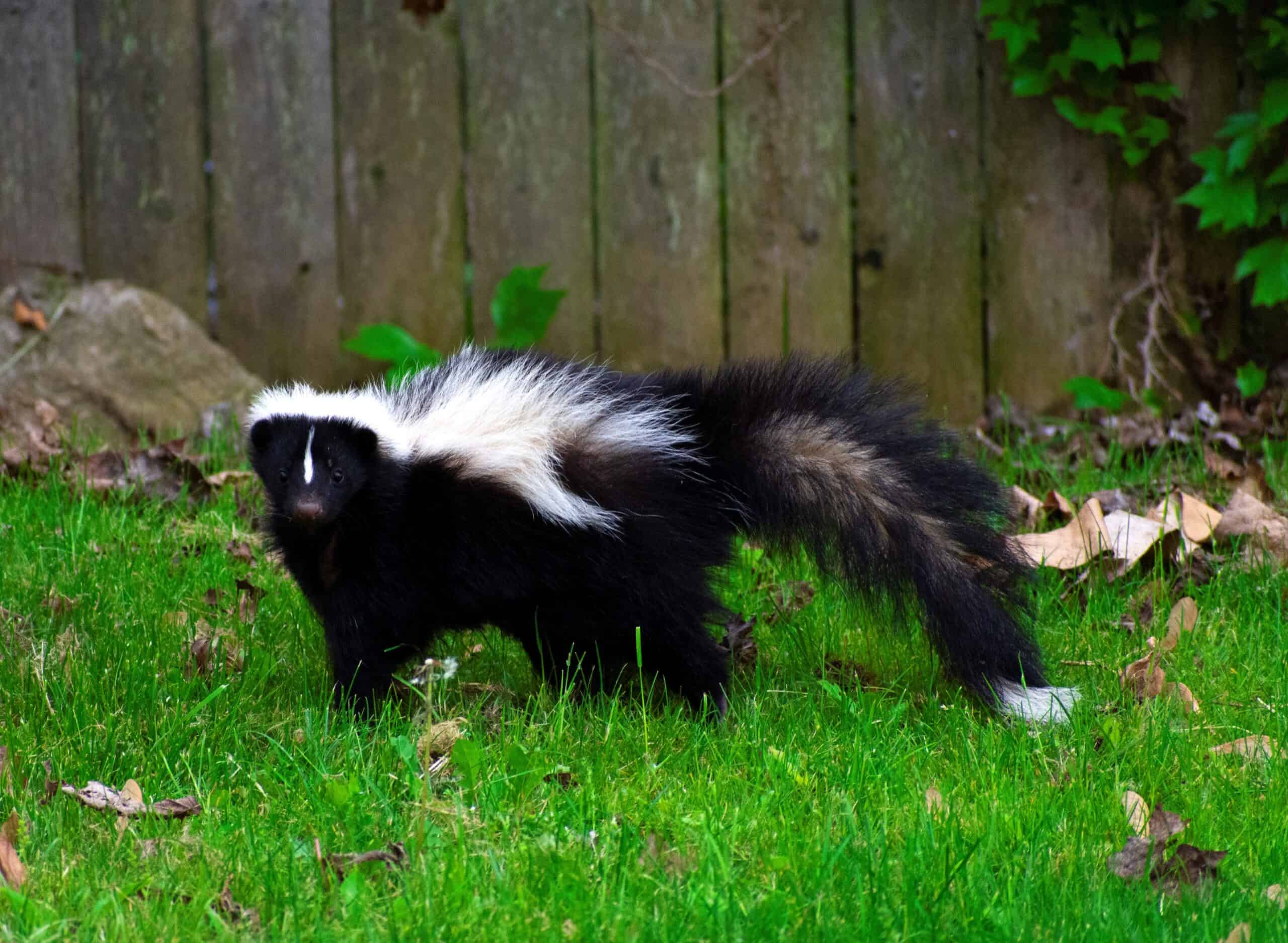
Skunks can be unwelcome visitors, especially due to their potential to spray a foul odor. These nocturnal creatures are often attracted by food sources such as garbage, pet food, and even birdseed. To deter skunks, start by removing these attractants.
Ensure that your trash bins have tight-fitting lids and do not leave pet food outside overnight. Installing motion-activated lights or sprinklers can also scare skunks away from your property. Additionally, consider using natural repellents like citrus peels or ammonia-soaked rags. By taking these proactive steps, you can effectively keep skunks out of your yard.

Credit: m.youtube.com
Identifying Skunk Presence
Skunks can be a real nuisance in your yard. Knowing how to identify their presence is the first step to getting rid of them. This section will help you recognize the signs and behaviors that indicate skunks are nearby.
Signs Of Skunks
Look for these common signs to identify skunk presence:
- Smell: A strong, foul odor is a clear sign.
- Tracks: Skunk tracks show five toes with claw marks.
- Holes: Small, shallow holes in your yard.
- Droppings: Skunk droppings are tubular and contain insects.
- Burrows: Check for burrows under decks or sheds.
Common Skunk Behaviors
Understanding skunk behaviors can help you identify their presence:
- Nocturnal Activity: Skunks are most active at night.
- Foraging: They dig for insects and grubs in the yard.
- Spraying: They spray a foul-smelling liquid when threatened.
- Hissing and Growling: Skunks make these sounds when startled.
| Sign | Description |
|---|---|
| Smell | A strong, foul odor |
| Tracks | Five toes with claw marks |
| Holes | Small, shallow holes |
| Droppings | Tubular with insect parts |
| Burrows | Found under decks or sheds |
Preventing Skunk Attraction
Preventing skunks from entering your yard starts with making your yard less attractive. Skunks are often drawn to easy food sources and shelter. By taking a few simple steps, you can keep these smelly critters away.
Remove Food Sources
Skunks love easy meals. Make sure to remove any fallen fruit from trees promptly. If you have pets, bring their food bowls inside at night. Skunks will happily eat leftover pet food.
Make a habit of cleaning up any food scraps after outdoor meals. Even small crumbs can attract skunks. Use a broom to sweep your patio or deck regularly.
Secure Trash Bins
Skunks are known for raiding trash bins. Ensure your bins have tight-fitting lids. If necessary, use bungee cords to secure the lids.
Store your trash bins in a garage or shed if possible. This adds an extra layer of security. If you can’t store them indoors, place them on a raised platform. This makes it harder for skunks to reach them.
| Action | Benefit |
|---|---|
| Remove Fallen Fruit | Less food for skunks |
| Bring Pet Food Inside | Reduces attraction |
| Secure Trash Lids | Prevents access |
| Store Bins Indoors | Adds security |
By following these steps, you can make your yard less inviting to skunks. This will help keep your yard skunk-free.
Natural Repellents
Skunks can be a nuisance in your yard. Using natural repellents can help keep them away. These repellents are safe and eco-friendly. Let’s explore some effective solutions you can try.
Homemade Solutions
Homemade solutions are easy and cost-effective. These recipes use common household items.
- Mix cayenne pepper with water. Spray it around your yard. Skunks dislike the smell.
- Combine ammonia with water. Soak rags in the mixture. Place the rags in areas where skunks enter.
- Use citrus peels around your yard. Skunks find the smell unpleasant.
These solutions are easy to make. They can help keep skunks away.
Commercial Products
Commercial products can also be effective. These are readily available and easy to use.
| Product | Description | Usage |
|---|---|---|
| Skunk Repellent Granules | Granules that deter skunks with scent. | Sprinkle around the yard. |
| Skunk Repellent Spray | Spray that uses natural ingredients. | Spray around entry points. |
| Motion-Activated Sprinklers | Sprinklers that activate with movement. | Place in areas where skunks are active. |
These products are effective and easy to use. They can help keep your yard skunk-free.
Using Fencing
Skunks can be a nuisance in your yard. One effective way to deter them is by using fencing. Proper fencing can keep skunks out and ensure your yard remains a safe space for your family and pets. Let’s explore the types of fences and installation tips.
Types Of Fences
- Chain-Link Fences: These are durable and can be buried underground to prevent digging.
- Wooden Fences: Provide a solid barrier. Ensure there are no gaps at the bottom.
- Electric Fences: Offer a high level of deterrence. Ensure they are safe for other animals.
- Mesh Fences: Fine mesh can keep even the smallest skunks out.
Installation Tips
- Choose the right height: Skunks are not great climbers, so a 3-4 feet high fence is usually sufficient.
- Bury the fence: Dig a trench and bury the bottom of the fence at least 12 inches deep to prevent skunks from digging under.
- Secure the bottom: Ensure there are no gaps at the bottom of the fence. Use stakes or rocks to keep it tight to the ground.
- Regular maintenance: Check the fence regularly for any damage or gaps. Repair immediately to keep skunks out.
With the right fence and proper installation, you can effectively keep skunks out of your yard. This will create a safer environment for your family and pets.
Humane Trapping
Skunks can be a nuisance in your yard. Humane trapping offers a way to remove them without causing harm. This method ensures the skunks remain safe while you regain your yard.
Selecting Traps
Choosing the right trap is crucial. Opt for a live trap designed for skunks. These traps are usually cage-like structures.
- Size: Ensure the trap is large enough for skunks.
- Material: Use sturdy materials to prevent escape.
- Safety: Check that the trap has smooth edges to avoid injuries.
Place the trap in areas skunks frequent. Bait it with foods like peanut butter, fish, or chicken.
Safe Release Methods
Once trapped, it’s important to release skunks safely.
- Wear protective gear: Gloves and long sleeves to avoid bites or scratches.
- Cover the trap: Use a blanket to calm the skunk.
- Choose a location: Release the skunk at least 10 miles away from y
Utilizing Professional Services
Dealing with skunks in your yard can be daunting. Sometimes, the best solution is to call in the professionals. They have the expertise and tools to safely remove skunks. This ensures your yard is skunk-free and your family is safe. Let’s explore when and how to seek professional help.
When To Call Experts
Call experts if skunks are aggressive or show signs of rabies. Skunks with rabies may act unusually and pose a danger. If you notice daytime activity, it could mean something is wrong.
Seek help if you find a skunk den near your home. Skunks can dig under porches and sheds. Professionals can safely remove them and prevent future nests.
Contact experts if you smell strong odors often. This can mean multiple skunks are living nearby. They can find and remove these animals quickly.
Choosing A Service
Research local wildlife removal services. Read reviews and check ratings. This helps you find a reliable company.
Ask about their methods. Ensure they use humane ways to handle skunks. Some services use traps, while others may use repellents.
Inquire about costs upfront. This prevents any surprise charges. Get a written estimate if possible.
| Service | Methods | Cost |
|---|---|---|
| Wildlife Removal Co. | Trapping and Relocation | $100 – $300 |
| Safe Skunk Services | Humane Repellents | $150 – $250 |
| Animal Control Experts | Trapping and Prevention | $200 – $400 |
Check their credentials. Ensure they are licensed and insured. This protects you and your property.
Follow up on their work. Ensure skunks do not return. Some services offer guarantees or follow-up visits.
Habitat Modification
Skunks can be a nuisance in your yard. Habitat modification is an effective way to deter them. By making your yard less attractive, you can encourage skunks to move elsewhere.
Landscape Changes
Skunks prefer dense vegetation and clutter. Landscape changes can help you create an environment that’s less inviting for them.
- Keep grass mowed short.
- Trim bushes and shrubs.
- Remove piles of wood and debris.
- Clear away fallen fruit and vegetables.
These steps reduce hiding spots for skunks. An open and clean yard is less appealing to them.
Skunk-proof Structures
Skunks often seek shelter under structures. Skunk-proof structures to keep them out of these areas.
- Seal gaps under decks and sheds.
- Use hardware cloth to block entry points.
- Install a fence around your garden.
- Secure trash cans with tight-fitting lids.
By securing these structures, you reduce the chances of skunks nesting in your yard.
Dealing With Skunk Odor
Skunk odor is strong and unpleasant. It can linger for days. Getting rid of this smell is crucial. Here are some effective ways to tackle it.
Odor Removal Techniques
Removing skunk odor can be challenging. Below are some techniques to help.
- Vinegar: Place bowls of vinegar in affected areas. Vinegar absorbs and neutralizes the smell.
- Baking Soda: Mix baking soda with water. Spray the mixture on the odor spots.
- Hydrogen Peroxide: Combine hydrogen peroxide with baking soda and dish soap. Apply this mixture to the affected area.
- Activated Charcoal: Use activated charcoal to absorb the odor. Place it near the source of the smell.
Preventing Reoccurrence
Preventing future skunk visits is essential. Follow these steps to keep them away.
- Secure Trash Bins: Keep trash bins tightly closed. Skunks are attracted to food waste.
- Remove Food Sources: Do not leave pet food outside. Skunks will come for easy food.
- Seal Entry Points: Close gaps under sheds and decks. Skunks look for sheltered places to hide.
- Use Repellents: Spray skunk repellents around your yard. This will deter them from entering.
These steps can help reduce skunk visits. Keeping your yard clean and secure is key.
Legal Considerations
Getting rid of skunks in your yard isn’t just about traps and repellents. It’s also about understanding the legal considerations. Skunks are wildlife, and various laws protect them. These laws vary by location, so it’s crucial to know your local regulations.
Local Regulations
Before acting, check your local regulations. Some areas have specific rules about wildlife control. You may need a permit to trap or relocate skunks. Contact your local wildlife agency for guidance. Ignoring these rules can lead to fines or other penalties.
| Location | Regulation |
|---|---|
| California | Permit required for trapping |
| Texas | No permit needed, but humane methods required |
Wildlife Protection Laws
Wildlife protection laws exist to ensure humane treatment of animals. These laws often cover trapping, relocating, and even harming skunks. Violating these laws can result in severe consequences. Always opt for humane solutions first.
- Use live traps to capture skunks.
- Consult a professional for relocation.
- Avoid using harmful chemicals.
Understanding these legal aspects helps you handle skunks responsibly. Stay informed and act within the law to ensure a safe and humane solution.

Credit: thehomespunhydrangea.com

Credit: m.youtube.com
Frequently Asked Questions
How Do I Repel Skunks Naturally?
Use natural repellents like cayenne pepper, citrus peels, or ammonia-soaked rags to deter skunks from your yard.
What Attracts Skunks To My Yard?
Skunks are attracted to food sources like pet food, garbage, and insects. Eliminate these to keep skunks away.
Can Skunks Climb Fences?
Skunks are poor climbers. Installing a solid fence at least three feet high can help keep them out.
Conclusion
Successfully getting rid of skunks in your yard requires persistence and the right methods. Use humane traps, repellents, and secure trash bins. Seal entry points and remove food sources. By following these steps, you can enjoy a skunk-free yard. Take action now and reclaim your outdoor space.