Grow Stunning Sunflowers with These Expert Tips
Plant sunflower seeds in well-drained soil after the last frost. Ensure they receive full sunlight and regular watering.
Sunflowers are a beautiful addition to any garden, offering vibrant colors and tall, striking blooms. Growing sunflowers successfully requires careful planning and attention to a few key factors. Choose a sunny spot in your garden, as sunflowers thrive in full sunlight.
Plant the seeds in well-drained soil, ensuring the area is free from weeds. Water the seedlings regularly, but avoid overwatering to prevent root rot. Thin the seedlings to give each plant enough space to grow. Sunflowers also benefit from occasional fertilization. With proper care, your sunflowers will grow tall and healthy, providing a stunning display in your garden.

Credit: www.threeacrefarm.net
Choosing The Perfect Sunflower Varieties
Picking the right sunflower varieties can make a big difference. Each type offers unique beauty and benefits. Whether you want tall, giant blooms or small, colorful ones, there’s a sunflower for you. Let’s explore the best options for your garden.
Popular Types
Some sunflowers are popular for their height and large flowers. These types are great for making a statement in your garden.
- Mammoth: Grows up to 12 feet tall with giant blooms.
- Teddy Bear: Compact, fluffy blooms, perfect for small spaces.
- Autumn Beauty: Offers a mix of colors from yellow to bronze.
Specialty Varieties
Specialty sunflowers bring unique colors and patterns. These varieties can add a special touch to your garden.
| Variety | Characteristics |
|---|---|
| Italian White | White petals with a dark center, grows up to 5 feet. |
| Chocolate Cherry | Deep red petals with a chocolate center, stunning look. |
| Sunrich Lime | Soft lime green petals, great for bouquets. |
Choosing the right sunflower variety is key. It ensures a beautiful and thriving garden. Happy gardening!
Preparing Your Garden
Growing sunflowers can be a fun and rewarding experience. Preparing your garden correctly ensures the best growth. Let’s explore the key steps to get your garden ready for sunflowers.
Soil Requirements
Sunflowers need well-drained soil. They thrive in soil with a pH between 6.0 and 7.5. Rich, loose soil helps their roots grow deep and strong. Test your soil’s pH level using a soil test kit. If your soil is too acidic, add lime. If it’s too alkaline, add sulfur. Also, mix in organic compost to enrich the soil with nutrients.
| Soil Type | Action Needed |
|---|---|
| Sandy Soil | Add organic matter to improve water retention |
| Clay Soil | Mix in compost to enhance drainage |
| Loamy Soil | Ideal, no action needed |
Sunlight Needs
Sunflowers love the sun. They need at least 6 to 8 hours of sunlight each day. Choose a spot in your garden that receives full sunlight. Avoid planting them in shaded areas. The more sunlight they get, the taller and stronger they grow.
- Ensure your garden spot is free from tall trees.
- Check for any structures that may block sunlight.
- Monitor the sunlight exposure throughout the day.
Following these steps ensures your sunflowers grow healthy and tall. Happy gardening!
Planting Sunflower Seeds
Sunflowers are a beautiful addition to any garden. They are easy to grow and bring a splash of color. Planting sunflower seeds correctly ensures strong, tall plants. Follow these steps for the best results.
Timing
Plant sunflower seeds after the last frost. Check your local frost dates to plan. Sunflowers need warm soil to germinate. The soil temperature should be at least 55°F (13°C). Late spring or early summer is ideal for planting.
Spacing
Proper spacing ensures healthy sunflower growth. Crowded plants compete for nutrients and sunlight. Follow these spacing guidelines:
- For large sunflowers: Space seeds 24-36 inches apart.
- For smaller varieties: Space seeds 12-18 inches apart.
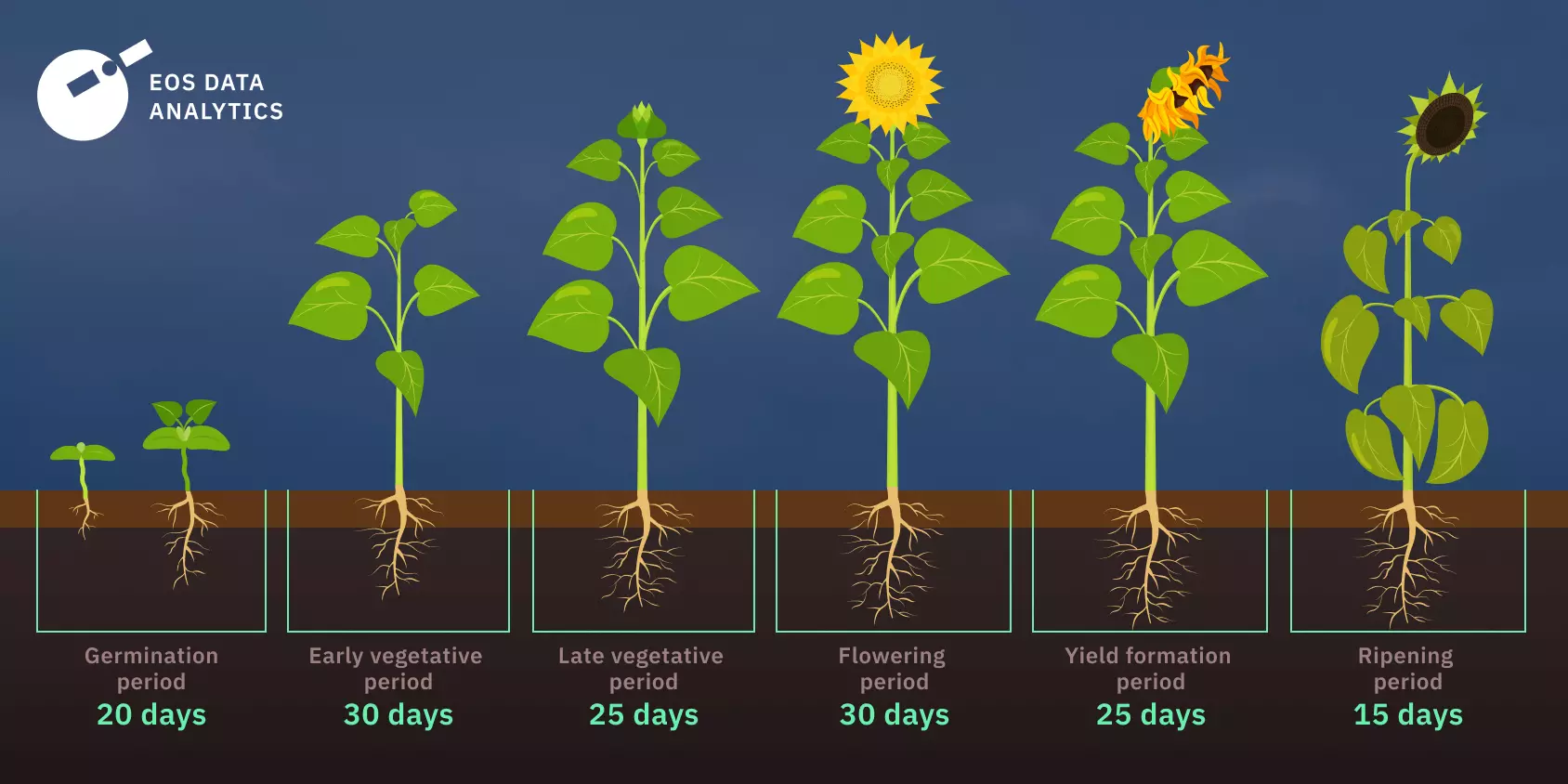
Plant seeds 1 inch deep. Cover lightly with soil and water gently. Keep the soil moist until seeds sprout. Thin seedlings to recommended spacing after they grow a few inches tall.
Credit: eos.com
Watering Techniques
Watering sunflowers correctly is essential for their growth and health. Sunflowers need the right balance of water to thrive. This section will guide you through the proper watering techniques.
Frequency
Water your sunflowers regularly for the best results. Check the soil to see if it is dry. If the top inch is dry, it is time to water. In the growing season, water sunflowers three times a week. Young seedlings may need water daily. Hot weather means you need to water more often.
Amount
Sunflowers need deep watering to develop strong roots. Water until the soil is moist 6-8 inches deep. Avoid shallow watering, as it leads to weak roots. Overwatering can cause root rot. Make sure the soil drains well to prevent this. Use a watering can or garden hose for even coverage.
| Growth Stage | Frequency | Amount |
|---|---|---|
| Seedlings | Daily | Moist, not soaked |
| Growing Plants | Three times a week | 6-8 inches deep |
| Hot Weather | More often | Ensure deep moisture |
Proper watering ensures healthy and tall sunflowers. Follow these tips for vibrant blooms.
Fertilizing For Optimal Growth
Sunflowers are stunning and easy to grow. But, they need the right nutrients to thrive. Fertilizing sunflowers properly ensures they grow tall and strong. This section covers the best fertilizers and how to apply them.
Best Fertilizers
Choosing the best fertilizer is crucial. Sunflowers need a balanced mix of nutrients. Here are some top choices:
- Compost: Compost is rich in organic matter. It improves soil health and provides essential nutrients.
- Granular Fertilizers: These fertilizers release nutrients slowly. They are great for long-term growth.
- Liquid Fertilizers: These are fast-acting. They provide immediate nutrients to the plants.
- Fish Emulsion: Fish emulsion is organic and rich in nitrogen. It promotes lush, green growth.
Application Methods
Applying fertilizer correctly is key. Here are some effective methods:
- Before Planting: Mix compost or granular fertilizer into the soil. This gives seedlings a nutrient boost.
- During Growth: Use liquid fertilizers every two weeks. Apply them at the base of the plant.
- Top Dressing: Sprinkle granular fertilizer around the plant’s base. Do this every month for sustained growth.
- Foliar Feeding: Spray liquid fertilizer on the leaves. This is useful for a quick nutrient boost.
Follow these tips to ensure your sunflowers thrive. Proper fertilization leads to vibrant, healthy plants.
Pest And Disease Management
Sunflowers are beautiful and useful plants. But they can attract pests and diseases. Proper pest and disease management is key to healthy sunflowers. Below, we’ll explore common pests and how to prevent them.
Common Pests
Sunflowers face threats from various pests. Here are some of the most common ones:
- Aphids: Small insects that suck plant sap.
- Caterpillars: Larvae that eat leaves and stems.
- Sunflower Beetles: Beetles that feed on leaves.
- Cutworms: Larvae that cut young plants at the soil line.
Prevention Tips
Preventing pests is easier than dealing with an infestation. Here are some tips:
- Inspect Regularly: Check plants for signs of pests.
- Use Barriers: Place nets or screens around young plants.
- Rotate Crops: Change planting locations yearly.
- Encourage Beneficial Insects: Ladybugs and spiders eat pests.
- Keep Garden Clean: Remove plant debris and weeds.
| Common Pests | Signs | Control Methods |
|---|---|---|
| Aphids | Sticky leaves, yellowing | Spray with water, use insecticidal soap |
| Caterpillars | Holes in leaves | Handpick, use Bacillus thuringiensis |
| Sunflower Beetles | Chewed leaves | Handpick, use neem oil |
| Cutworms | Seedlings cut at base | Use collars, handpick at night |
Supporting Tall Sunflowers
Growing tall sunflowers can be rewarding, but they need support. Without proper support, these towering beauties may bend or break. Learn how to keep your sunflowers standing tall and proud.
Staking Methods
Staking sunflowers helps them stay upright. Use strong stakes made of wood or metal.
- Drive a stake into the ground near the sunflower.
- Tie the sunflower stem to the stake with soft twine.
- Ensure the twine is loose enough to allow growth.
For very tall sunflowers, use multiple stakes. Place them around the plant and tie the stem to each stake.
Preventing Wind Damage
Wind can be tough on tall sunflowers. Protect them with these tips:
- Plant sunflowers in a sheltered location.
- Use a windbreak, like a fence or hedge.
- Group sunflowers together for mutual support.
In windy areas, consider shorter sunflower varieties. They are less likely to topple over.
Regularly check and adjust the ties on your sunflowers. This ensures they stay secure and healthy.

Credit: savvygardening.com
Encouraging Bigger Blooms
Sunflowers are a beautiful addition to any garden. To make them even more stunning, you need to encourage bigger blooms. Bigger blooms not only look impressive but also attract more bees and butterflies. Follow these tips to achieve the best results.
Pruning Tips
Pruning is essential for healthy sunflowers. Regular pruning helps the plant focus energy on blooming. Remove any dead or yellow leaves. This allows the plant to use its nutrients effectively.
Pinch off the smaller flower buds. This encourages the plant to grow bigger central blooms. Use clean scissors for a precise cut. Avoid damaging the main stem.
Nutrient Boosts
Sunflowers need the right nutrients for optimal growth. A balanced fertilizer works best. Look for a fertilizer with equal parts nitrogen, phosphorus, and potassium. Apply fertilizer every two weeks during the growing season.
| Nutrient | Importance | Source |
|---|---|---|
| Nitrogen | Leaf Growth | Compost |
| Phosphorus | Root Development | Bone Meal |
| Potassium | Flower Growth | Wood Ash |
Water the sunflowers deeply once a week. This helps the roots absorb the nutrients. Avoid overwatering to prevent root rot.
- Use organic mulch to retain moisture
- Ensure the soil is well-draining
- Monitor for pests regularly
Harvesting Sunflowers
Sunflowers are a stunning addition to any garden. Their bright blooms attract bees and other beneficial insects. Knowing the right way to harvest sunflowers ensures the best quality seeds and flowers. This guide will help you understand the perfect time and method for harvesting.
When To Harvest
Timing is crucial for harvesting sunflowers. Here are the signs to look for:
- Flower Heads Droop: The flower heads start to droop.
- Back of the Head Turns Brown: The back of the flower head changes color.
- Seeds Look Plump: The seeds appear swollen and firm.
Harvesting at the right time ensures seeds are mature and ready. If harvested too early, seeds may not develop properly.
How To Cut
Cutting sunflowers properly helps preserve their quality. Follow these steps:
- Use Sharp Tools: Use a sharp knife or pruning shears.
- Cut Early Morning: Cut the flower heads early in the morning.
- Leave a Long Stem: Leave a stem about 12 inches long.
After cutting, place the flower heads in a dry, ventilated area. This helps them to dry out properly. Ensure they are safe from birds and pests.
Proper harvesting ensures you get the best from your sunflowers. Happy gardening!
Saving Sunflower Seeds
Sunflower seeds are not only beautiful but also useful. Saving them is easy and fun. Follow these steps to save your sunflower seeds correctly.
Seed Collection
Collecting seeds is the first step. Wait until the flower petals fall. The back of the sunflower head should turn brown.
- Cut the sunflower head off the plant.
- Leave a few inches of stem attached.
- Place the sunflower head in a dry area.
- Let it dry for a few weeks.
Once dry, rub the seeds out of the head. Use your hands or a brush. Be gentle to avoid damaging the seeds.
Storage Tips
Proper storage keeps seeds fresh. Follow these steps to store your sunflower seeds properly:
- Clean the seeds with a soft cloth.
- Remove any debris or plant matter.
- Let the seeds air-dry for another week.
- Place the seeds in a paper envelope.
- Label the envelope with the date and sunflower variety.
Store the envelope in a cool, dry place. Avoid direct sunlight and moisture. Proper storage ensures seeds stay viable for planting next season.
Creative Uses For Sunflowers
Sunflowers are not just beautiful; they are versatile too. You can use sunflowers in many creative ways. Let’s explore how you can incorporate them into your home and kitchen.
Decorative Ideas
Sunflowers brighten any space with their vibrant yellow petals. You can use them in various decorative ways:
- Centerpieces: Arrange sunflowers in a vase for a stunning table centerpiece.
- Wreaths: Create a sunflower wreath for your front door.
- Wall Art: Press and frame sunflower petals for unique wall art.
- Bouquets: Mix sunflowers with other flowers for a beautiful bouquet.
Culinary Uses
Sunflowers are not just for decoration; you can eat parts of them too. Here are some culinary uses:
- Sunflower Seeds: Roast and season sunflower seeds for a tasty snack.
- Sunflower Oil: Use sunflower oil for cooking and salads.
- Sunflower Petals: Add petals to salads for color and flavor.
- Sunflower Butter: Make sunflower butter as a peanut butter alternative.
| Use | Description |
|---|---|
| Centerpieces | Sunflowers in a vase for a stunning table display. |
| Wreaths | Create a sunflower wreath for your front door. |
| Wall Art | Press and frame petals for unique art. |
| Bouquets | Mix sunflowers with other flowers for a bouquet. |
| Sunflower Seeds | Roast and season seeds for a snack. |
| Sunflower Oil | Use oil for cooking and salads. |
| Sunflower Petals | Add petals to salads for color and flavor. |
| Sunflower Butter | Make butter as a peanut butter alternative. |
Frequently Asked Questions
How To Successfully Grow Sunflowers?
Plant sunflower seeds in well-drained soil. Ensure they get full sunlight. Water regularly but avoid overwatering. Support tall varieties with stakes. Harvest when the back of the flower head turns brown.
What Three Things Do Sunflowers Need To Grow?
Sunflowers need sunlight, water, and well-draining soil to grow. Ensure they get at least six hours of sun daily.
Which Direction Should You Plant Sunflowers?
Plant sunflowers facing south to ensure they get maximum sunlight. This direction encourages optimal growth and blooming.
Conclusion
Growing sunflowers can be a rewarding experience. Follow the steps outlined for healthy, vibrant blooms. Remember to provide adequate sunlight and water. Use quality soil and regular maintenance to ensure growth. With patience and care, your sunflowers will flourish beautifully, adding color and cheer to your garden.
Enjoy the process and the stunning results!