5 Signs of Nitrogen Deficiency in Plants & Quick Fixes
**5 Signs of Nitrogen Deficiency in Plants & How to Fix It Quickly** Plants with nitrogen deficiency show yellowing leaves, stunted growth, and poor yield. Fix it quickly with nitrogen-rich fertilizers.
Nitrogen is crucial for plant health, playing a vital role in photosynthesis and growth. Lack of nitrogen can severely impact plant development, leading to visible symptoms. Identifying these signs early can help gardeners and farmers take prompt action. Yellowing of older leaves, stunted growth, and reduced yield are common indicators.
Applying nitrogen-rich fertilizers or organic compost can quickly address the deficiency. Regular monitoring and soil testing ensure plants receive adequate nutrients, promoting robust growth and productivity. Understanding nitrogen’s role and addressing deficiencies promptly can lead to healthier, more productive plants.
Yellowing Leaves
Yellowing leaves are a common sign of nitrogen deficiency in plants. This condition can severely affect plant health and growth. Recognizing and addressing this issue quickly is essential for plant vitality.
Symptoms To Look For
Identifying nitrogen deficiency early can save your plants. Here are some key symptoms:
- Chlorosis: Yellowing starts from the tips and edges.
- Stunted Growth: Plants appear shorter and weaker.
- Pale Green Leaves: Leaves lose their vibrant green color.
- Older Leaves Affected First: Yellowing begins with older foliage.
Affected Plant Parts
Nitrogen deficiency impacts specific parts of the plant. Knowing these can help in diagnosing the problem.
| Plant Part | Symptoms |
|---|---|
| Leaves | Yellowing, starting from the tips and edges |
| Stem | Weak and thin stems |
| Roots | Poor root development |
By addressing nitrogen deficiency promptly, you can restore plant health and ensure vigorous growth.
Stunted Growth
Stunted growth is a clear sign of nitrogen deficiency in plants. Nitrogen is vital for plant growth and development. Without enough nitrogen, plants can’t grow to their full potential. They stay small and weak, which affects their overall health.
Impact On Plant Development
Stunted growth impacts the entire plant. The leaves become pale, yellow, and small. The plant’s ability to photosynthesize is reduced. This leads to weak stems and underdeveloped roots. Fruits and flowers may be fewer and smaller. The plant struggles to survive and thrive.
Early Detection Tips
- Check the color of the leaves. Pale or yellow leaves are a warning sign.
- Observe the size of the plant. Small plants indicate stunted growth.
- Inspect the roots. Poor root development means a lack of nitrogen.
- Look for weak stems. Thin and fragile stems show nitrogen deficiency.
- Monitor fruit and flower production. Low yields are another indicator.
| Signs | Details |
|---|---|
| Pale Leaves | Leaves turn light green or yellow. |
| Small Plant Size | Plants remain small and underdeveloped. |
| Poor Root Growth | Roots are thin and weak. |
| Weak Stems | Stems are fragile and thin. |
| Low Yield | Fewer and smaller fruits and flowers. |
To fix nitrogen deficiency, apply a nitrogen-rich fertilizer. Organic options include compost and manure. Chemical fertilizers like ammonium nitrate are also effective. Regularly check your plants and adjust their care as needed.
Pale Green Color
One of the most common signs of nitrogen deficiency in plants is a pale green color. This symptom affects the entire plant, starting with older leaves. Understanding this issue early can save your plants from severe damage.
Visual Indicators
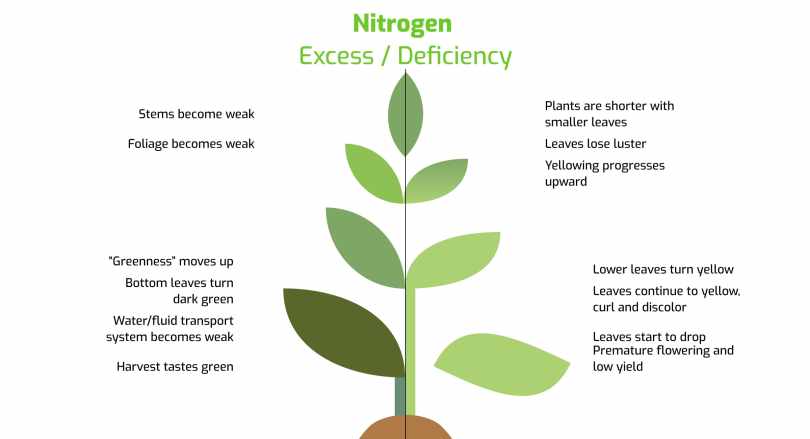
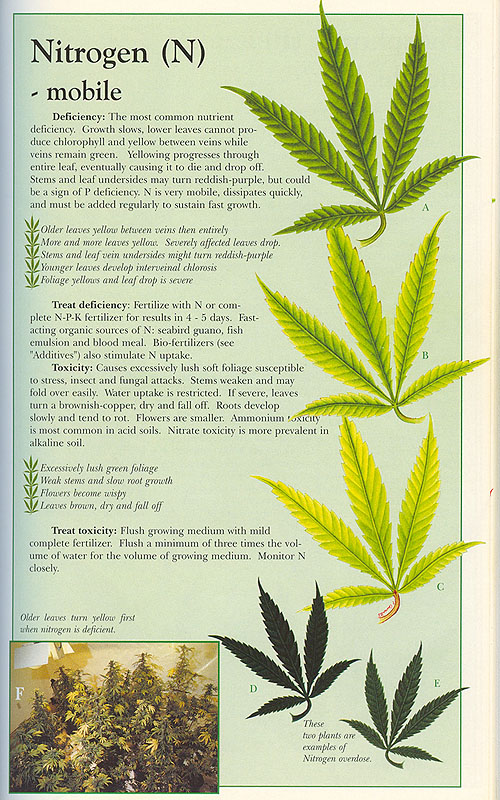
Plants with nitrogen deficiency often show pale green leaves instead of their usual vibrant green. The leaves may look dull and lack the rich color they should have. This discoloration typically starts from the bottom of the plant and moves upwards.
Other visual indicators include:
- Stunted growth
- Smaller leaves
- Yellowing of older leaves
Comparison With Healthy Plants
Comparing a nitrogen-deficient plant with a healthy one makes the problem obvious. Healthy plants have rich, dark green leaves and vigorous growth. Their leaves are larger and more robust.
| Feature | Nitrogen-Deficient Plant | Healthy Plant |
|---|---|---|
| Leaf Color | Pale Green | Dark Green |
| Growth | Stunted | Vigorous |
| Leaf Size | Smaller | Larger |
Recognizing these differences helps you take quick action. Fixing nitrogen deficiency can be simple. Adding a nitrogen-rich fertilizer often resolves the issue. Also, using compost or manure can improve soil nitrogen levels.
Credit: www.growweedeasy.com
Reduced Yield
A reduced yield can be a major concern for farmers and gardeners. Nitrogen deficiency often leads to this problem. Understanding the signs and addressing them quickly can save your crops and ensure a bountiful harvest.
Effect On Crop Production
When plants lack nitrogen, their growth slows down. This slowed growth affects the plant’s ability to produce fruits and vegetables. Farmers may notice that their crops are smaller and fewer in number. This results in a significant reduction in overall yield. Nitrogen is essential for the formation of chlorophyll, which plants need for photosynthesis. Without enough nitrogen, plants cannot produce the energy they need to grow properly.
Identifying Early Signs
Recognizing the early signs of nitrogen deficiency is crucial. Here are some common symptoms to look out for:
- Yellowing leaves, especially the older ones.
- Stunted growth and smaller plants.
- Poor fruit and flower development.
- Thin and weak stems.
- Reduced leaf size.
If you notice these signs, it’s important to take action immediately. Applying a nitrogen-rich fertilizer can help improve the plant’s health. Here is a simple table to understand the effects better:
| Symptom | Effect |
|---|---|
| Yellowing leaves | Reduced photosynthesis |
| Stunted growth | Smaller plants |
| Poor fruit development | Lower yield |
By addressing nitrogen deficiency early, you can prevent reduced yield. Ensure your plants get the nutrients they need.
Thin And Weak Stems
Nitrogen is essential for plant growth. One clear sign of nitrogen deficiency is thin and weak stems. These stems can’t support the plant well, leading to poor growth and low yields.
Structural Weakness
Plants with nitrogen deficiency often have thin and weak stems. These stems struggle to support the plant. They may bend or break easily. This makes the plant vulnerable to pests and diseases. Nitrogen-deficient plants can’t grow strong and tall. They remain stunted and unhealthy. This impacts their ability to produce flowers and fruits.
Preventative Measures
Preventing nitrogen deficiency involves several steps. Here’s a quick guide:
- Use a balanced fertilizer with nitrogen.
- Apply compost or manure to enrich the soil.
- Rotate crops to maintain soil health.
- Test soil regularly to monitor nutrient levels.
- Water plants adequately but avoid overwatering.
Here is a table to summarize preventive measures:
| Preventive Measure | Benefit |
|---|---|
| Balanced Fertilizer | Provides essential nutrients |
| Compost/Manure | Improves soil fertility |
| Crop Rotation | Keeps soil healthy |
| Soil Testing | Monitors nutrient levels |
| Proper Watering | Prevents nutrient leaching |
By following these measures, you can help your plants grow strong and healthy. Healthy plants have strong stems and better yields.
Soil Testing
Soil testing is a crucial step to ensure your plants are healthy. Identifying a nitrogen deficiency early can save your plants. Conducting a soil test helps you understand the nutrient levels in your soil.
Importance Of Soil Analysis
Soil analysis provides valuable information about your soil’s nutrient content. It helps identify nitrogen deficiency and other nutrient imbalances. Healthy soil ensures robust plant growth and higher yields.
Without soil testing, you might misdiagnose plant problems. This can lead to ineffective treatments and wasted resources. Knowing your soil’s health helps you make informed decisions.
How To Conduct A Test
Conducting a soil test is simple and straightforward. Follow these steps for accurate results:
- Collect soil samples from different areas of your garden.
- Mix the samples in a clean bucket.
- Dry the soil samples at room temperature.
- Place the dried soil in a soil test kit.
- Follow the kit’s instructions to test for nitrogen levels.
You can also send your soil samples to a local agricultural extension office. They provide detailed analysis and recommendations.
| Step | Action |
|---|---|
| 1 | Collect soil samples |
| 2 | Mix samples in a bucket |
| 3 | Dry the samples |
| 4 | Place in test kit |
| 5 | Follow kit instructions |
Soil testing can help you find other issues too. It’s a small step with big benefits for your garden.
Nitrogen-rich Fertilizers
Plants need nitrogen to grow healthy and strong. Nitrogen-rich fertilizers can quickly fix nitrogen deficiency. These fertilizers supply essential nutrients. They boost plant growth and improve crop yields.
Choosing The Right Fertilizer
Selecting the right fertilizer is crucial. Different plants need different types of nitrogen. Here are some options:
- Ammonium Nitrate: Fast-acting and highly effective.
- Urea: High nitrogen content, but needs proper application.
- Blood Meal: Organic and rich in nitrogen.
- Compost: Provides a steady release of nitrogen.
Read labels carefully. Ensure the fertilizer matches your plant’s needs.
Application Methods
Applying nitrogen-rich fertilizers correctly is key. Here are some methods:
- Broadcasting: Spread fertilizer evenly over the soil surface.
- Side-Dressing: Place fertilizer beside the plant rows.
- Foliar Feeding: Spray a liquid fertilizer directly on the leaves.
- Incorporation: Mix fertilizer into the soil before planting.
Always follow the recommended application rates. Over-fertilizing can harm plants.
Monitor your plants regularly. Adjust the fertilization based on their growth.

Credit: en.wikipedia.org
Organic Solutions
Are your plants looking pale and weak? They might be suffering from nitrogen deficiency. This issue can be solved using organic solutions. These methods are not only effective but also eco-friendly. Let’s explore some key organic solutions to fix nitrogen deficiency in plants quickly.
Compost And Manure
Compost is an excellent source of nitrogen. It enriches the soil with organic matter. Adding compost to your garden improves soil structure. It also helps retain moisture. You can make compost at home using kitchen scraps and yard waste.
Manure is another great option. Animal manure, like cow or chicken manure, is rich in nitrogen. It provides a slow-release source of nutrients. Be sure to compost manure before using it. This helps avoid burning your plants.
Here is a simple table to understand the benefits of each:
| Organic Material | Benefits |
|---|---|
| Compost | Improves soil structure, retains moisture, adds organic matter |
| Manure | Rich in nitrogen, slow-release nutrients, improves soil fertility |
Green Manures And Cover Crops
Green manures are plants grown specifically to improve soil fertility. They are plowed back into the soil. Legumes like clover and beans are excellent choices. They fix nitrogen from the air into the soil.
Cover crops protect the soil from erosion. They also add organic matter. Examples of cover crops include rye and barley. These plants grow quickly and provide a natural way to boost nitrogen levels.
- Legumes: Fix nitrogen, improve soil fertility
- Rye: Grows quickly, adds organic matter
- Barley: Protects soil, boosts nitrogen levels
By using these organic methods, you can quickly fix nitrogen deficiency. Your plants will thrive and your garden will be healthier.
Regular Monitoring
Regular monitoring is vital to keeping your plants healthy. It helps identify signs of nitrogen deficiency early, allowing for quick intervention. Below are essential tips for regular monitoring:
Routine Inspections
Perform routine inspections of your plants. Check the leaves for signs of yellowing or pale color, which are primary indicators of nitrogen deficiency. Inspect the plant’s growth rate. Stunted growth can also signal a lack of nitrogen. Look at the overall health of the plant, including stem strength and root development.
- Yellow Leaves: A sign of nitrogen deficiency.
- Stunted Growth: Indicates insufficient nitrogen.
- Weak Stems: Another symptom of the deficiency.
Using Technology For Monitoring
Technology can enhance your monitoring efforts. Use soil testing kits to measure nitrogen levels. These kits provide accurate readings and are easy to use. Consider using mobile apps designed for plant care. These apps can help track plant health and provide alerts for potential issues.
| Technology | Benefit |
|---|---|
| Soil Testing Kits | Accurate nitrogen level readings. |
| Mobile Apps | Track plant health and alerts. |
Regular monitoring helps maintain plant health. Use routine inspections and technology to ensure your plants receive the nitrogen they need.

Credit: geopard.tech
Adjusting Ph Levels
pH levels in soil can greatly affect your plant’s health. A balanced pH ensures that plants can absorb nutrients effectively. If the pH is off, even adding more nitrogen won’t help. Adjusting the pH can be the key to solving nitrogen deficiency.
Importance Of Ph Balance
Plants thrive in soil with the right pH. Nutrient uptake is optimal when pH is balanced. For most plants, a pH between 6.0 and 7.0 is ideal. When the pH is too high or too low, plants can’t absorb nitrogen efficiently. This can lead to visible signs of nitrogen deficiency.
| pH Range | Effect on Plants |
|---|---|
| Below 6.0 | Nutrient lockout, poor growth |
| 6.0 – 7.0 | Optimal nutrient uptake |
| Above 7.0 | Nutrient lockout, poor growth |
Methods To Adjust Ph
There are several ways to adjust soil pH. Each method depends on whether you need to raise or lower the pH.
-
To Lower pH:
- Add sulfur or aluminum sulfate.
- Use organic compost.
- Apply coffee grounds or pine needles.
-
To Raise pH:
- Add lime or wood ash.
- Use crushed eggshells.
- Apply baking soda solution.
Always test the soil pH before and after making adjustments. This ensures you achieve the desired pH level. Regular pH checks help maintain a balanced environment for your plants.
Proper Watering Techniques
Proper watering techniques are essential for maintaining plant health and preventing nitrogen deficiency. Ensuring that your plants get the right amount of water can make a significant difference in their growth and productivity. Let’s explore the best methods to keep your plants hydrated without causing harm.
Watering Frequency
Understanding the correct watering frequency is crucial. Overwatering or underwatering can both lead to nutrient deficiencies.
- Check the soil moisture before watering.
- Water plants early in the morning.
- Adjust frequency based on the plant type and weather conditions.
Avoiding Overwatering
Avoiding overwatering is just as important as providing enough water. Too much water can lead to root rot and nutrient leaching.
- Ensure pots have proper drainage holes.
- Use well-draining soil mixes.
- Monitor the humidity levels around your plants.
| Watering Tips | Benefits |
|---|---|
| Use a moisture meter | Accurately gauge soil moisture |
| Group plants with similar water needs | Ensure consistent care |
Frequently Asked Questions
How Do I Fix Nitrogen Deficiency In Plants?
Apply a nitrogen-rich fertilizer. Use compost or well-rotted manure. Plant nitrogen-fixing crops like beans or peas. Ensure proper soil pH.
What Is The Fastest Way To Add Nitrogen To Plants?
The fastest way to add nitrogen to plants is by using a liquid nitrogen fertilizer. It provides immediate nutrients.
What Are The 5 Common Deficiency Symptoms In Plants?
1. Yellowing leaves indicate nitrogen deficiency. 2. Purple leaves suggest phosphorus deficiency. 3. Browning leaf edges signal potassium deficiency. 4. Pale, young leaves highlight iron deficiency. 5. Stunted growth shows magnesium deficiency.
Conclusion
Nitrogen deficiency can harm your plants, but quick action can restore their health. Recognize the signs early to prevent damage. Use proper fertilizers and soil amendments to replenish nitrogen levels. Keep monitoring your plants for improvements. Healthy plants will thrive and reward you with robust growth and vibrant colors.