11 Potato Problems Every Gardener Faces & How to Solve Them
Potato-growing problems include pests, diseases, and environmental issues. Fix them with proper care, soil management, and pest control.
Growing potatoes can be both rewarding and challenging. From blight and pests to poor soil conditions, various factors can impact your potato crop. Understanding these common issues and how to address them is crucial for a successful harvest. This guide will help you identify and solve the most frequent potato-growing problems.
By following these tips, you can ensure your plants stay healthy and productive throughout the growing season. Whether you’re a novice or an experienced gardener, these solutions will help you achieve a bountiful potato harvest.
Credit: extension.umn.edu
Poor Soil Quality
Growing healthy potatoes requires good soil. Poor soil quality can hurt your potato yield. To get the best results, you need to understand and fix soil issues. Below are key steps to improve soil quality.
Soil Testing
Soil testing helps you know the nutrients in your soil. A simple test can reveal pH levels and nutrient deficiencies. You can buy a soil test kit online or visit your local garden center. Follow the instructions carefully for accurate results.
| Soil Component | Ideal Range |
|---|---|
| pH Level | 5.5-7.0 |
| Nitrogen (N) | 50-100 ppm |
| Phosphorus (P) | 30-50 ppm |
| Potassium (K) | 150-250 ppm |
Once you know your soil’s condition, you can start improving it. Use the results to guide your next steps.
Organic Amendments
Organic amendments enrich the soil and improve its structure. They add essential nutrients and boost soil life. Some common organic amendments include:
- Compost: Adds organic matter and nutrients. Mix it into the soil before planting.
- Manure: Provides nitrogen and other nutrients. Use aged manure to avoid burning plants.
- Bone Meal: High in phosphorus. Helps root growth and flower development.
- Green Manure: Plant cover crops like clover. They add nutrients when tilled into the soil.
Apply organic amendments based on your soil test results. They make the soil more fertile and better for growing potatoes.
Improving soil quality takes time. Be patient and consistent with your efforts.
Inadequate Watering
Inadequate watering is one of the most common problems in potato-growing. Potatoes need the right amount of water to grow well. Too little water can cause the plants to wilt. Too much water can lead to rotting. Finding the perfect balance is key.
Watering Schedule
Creating a proper watering schedule is very important. Potatoes need about 1-2 inches of water per week. This includes rainfall and irrigation. It’s best to water deeply once or twice a week. This helps the roots grow deeper into the soil.
During hot weather, you may need to water more often. In cooler weather, you may need less water. Always check the soil moisture before watering. Stick your finger into the soil up to the second knuckle. If it feels dry, it’s time to water.
Irrigation Techniques
Using the right irrigation techniques can make a big difference. Drip irrigation is very effective. It delivers water directly to the roots. This reduces water waste and keeps the leaves dry. Wet leaves can lead to diseases.
Another good option is soaker hoses. They also provide water at the ground level. This helps avoid water splashing on the leaves. Avoid overhead sprinklers if you can. They can cause uneven watering and increase the risk of disease.
Mulching can help too. Mulch keeps the soil moist and cool. It reduces the need for frequent watering. Use straw, leaves, or grass clippings as mulch. Spread a 2-3 inch layer around your potato plants.
| Problem | Solution |
|---|---|
| Wilting Plants | Increase watering frequency. |
| Yellow Leaves | Check for overwatering and reduce if needed. |
| Root Rot | Improve soil drainage and reduce watering. |
By following these tips, you can ensure your potatoes get the right amount of water. Proper watering leads to healthy plants and a bountiful harvest.
Pest Infestations
Pest infestations are a common problem for potato growers. These pests can damage your potato crops. They can reduce your harvest and ruin your plants. Knowing how to identify and manage these pests is crucial.
Common Pests
Several pests can affect your potato plants. Here are some of the most common:
- Colorado Potato Beetle: These beetles have yellow and black stripes on their backs. They can defoliate plants quickly.
- Aphids: Tiny green or black insects that suck plant sap. They can cause leaves to curl and stunt growth.
- Wireworms: These yellow-brown larvae burrow into potatoes, causing internal damage.
- Potato Tuber Moth: The larvae burrow into tubers, leaving holes and frass.
Natural Remedies
Using natural remedies can help manage pest infestations without chemicals:
- Neem Oil: Spray neem oil to deter pests. It is effective against beetles and aphids.
- Companion Planting: Planting marigolds near potatoes can repel pests. Marigolds deter aphids and beetles.
- Diatomaceous Earth: Sprinkle this natural powder around plants. It harms pests like wireworms.
- Handpicking: Remove visible pests by hand. This method works well for larger insects like beetles.
These methods are safe and eco-friendly. They help keep your potato plants healthy and pest-free.
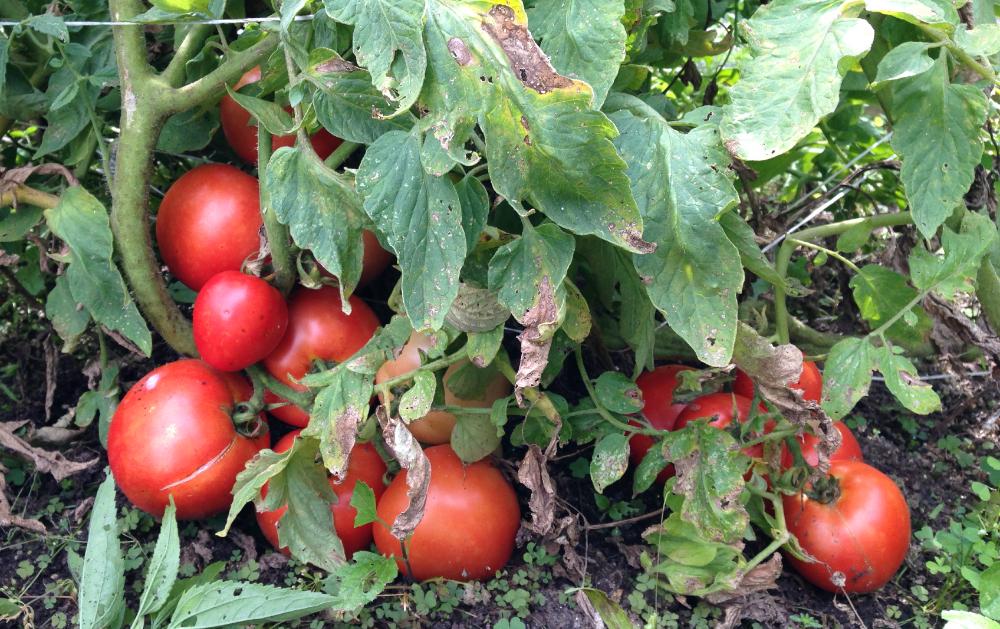
Credit: extension.umd.edu
Fungal Diseases
Fungal diseases can wreak havoc on your potato plants, leading to significant losses. These diseases often thrive in warm, wet conditions, making it crucial to identify and manage them promptly. Below, we explore common fungal diseases in potatoes and how to tackle them.
Disease Identification
Recognizing fungal diseases early is key to managing them. Here are some common signs:
- Early Blight: Dark spots with concentric rings on leaves.
- Late Blight: Water-soaked spots that turn brown and spread rapidly.
- Fusarium Wilt: Yellowing and wilting of leaves, often starting from the base.
- Black Scurf: Black, scab-like lesions on tubers.
Preventative Measures
Prevention is always better than cure. Implement these measures to protect your potato plants:
| Measure | Description |
|---|---|
| Crop Rotation | Rotate crops to reduce soil-borne pathogens. |
| Proper Spacing | Ensure adequate spacing for good air circulation. |
| Water Management | Avoid overhead watering; use drip irrigation instead. |
| Resistant Varieties | Plant disease-resistant potato varieties. |
| Fungicide Application | Apply fungicides as a preventive measure. |
By following these steps, you can significantly reduce the risk of fungal diseases in your potato crops. Healthy plants lead to bountiful harvests.
Nutrient Deficiencies
Growing potatoes can be rewarding, but nutrient deficiencies can hinder your success. Without the right nutrients, potato plants may not thrive. Understanding these deficiencies is crucial for healthy, bountiful crops.
Essential Nutrients
Potatoes need several essential nutrients to grow well. The key nutrients include:
- Nitrogen (N): Promotes leafy growth and overall plant vigor.
- Phosphorus (P): Aids in root development and energy transfer.
- Potassium (K): Enhances disease resistance and improves tuber quality.
- Calcium (Ca): Strengthens cell walls and helps prevent diseases.
- Magnesium (Mg): Important for photosynthesis and chlorophyll production.
- Sulfur (S): Integral for protein formation and enzyme function.
If potatoes lack any of these nutrients, they may show specific symptoms. For example, yellowing leaves often indicate nitrogen deficiency. Weak roots may point to a phosphorus shortage.
Fertilizer Options
To address nutrient deficiencies, consider these fertilizer options:
| Fertilizer Type | Benefits |
|---|---|
| Organic Compost | Improves soil structure and adds balanced nutrients. |
| Bone Meal | Rich in phosphorus, great for root development. |
| Fish Emulsion | Provides quick-release nitrogen for leafy growth. |
| Wood Ash | Supplies potassium and raises soil pH. |
| Epsom Salt | Increases magnesium for better photosynthesis. |
Each fertilizer has specific benefits. Use them according to your soil’s needs.
Poor Seed Quality
Growing potatoes can sometimes be tricky, especially with poor seed quality. Quality seeds are crucial for a good harvest. Let’s explore how to choose and store seeds correctly.
Choosing Seeds
Selecting the right seeds is the first step. Not all seeds are equal.
- Certified Seeds: Choose certified seeds. They are disease-free and high-quality.
- Variety: Pick a variety suitable for your climate. Different potatoes grow better in different places.
- Visual Inspection: Inspect seeds for signs of disease. Avoid seeds with spots or mold.
- Size Matters: Opt for medium-sized seeds. Too small or too big can lead to poor growth.
Seed Storage
Proper storage keeps your seeds healthy and ready for planting.
- Cool and Dark Place: Store seeds in a cool, dark place. Light and heat can damage seeds.
- Ventilation: Ensure good air circulation. Poor ventilation can cause mold.
- Humidity Control: Keep the humidity low. High humidity can make seeds rot.
- Containers: Use breathable containers like burlap sacks. Avoid plastic bags.
Following these tips ensures your seeds stay healthy. Good seeds lead to a bountiful harvest.
Improper Planting Depth
Growing potatoes can be tricky if the planting depth is wrong. Improper planting depth can lead to poor growth, smaller tubers, and even disease. Let’s explore the right way to plant potatoes to ensure a bountiful harvest.
Correct Depth
Planting potatoes at the correct depth is crucial for healthy growth. If planted too shallow, the tubers may be exposed to sunlight. This exposure turns the potatoes green and makes them toxic. On the other hand, planting too deep can cause poor sprouting and delayed growth.
The ideal depth for planting potatoes is 4 to 6 inches. This depth ensures the tubers have enough soil cover to grow well. It also prevents them from turning green.
Planting Tips
- Dig a trench about 6 inches deep.
- Place the seed potatoes in the trench with the eyes facing up.
- Space the potatoes about 12 inches apart.
- Cover the potatoes with 4 inches of soil.
- As the plants grow, hill up the soil around them.
- Keep the soil moist but not waterlogged.
Here is a simple table to summarize the planting tips:
| Step | Action |
|---|---|
| 1 | Dig a 6-inch deep trench |
| 2 | Place seed potatoes with eyes facing up |
| 3 | Space 12 inches apart |
| 4 | Cover with 4 inches of soil |
| 5 | Hill up soil as plants grow |
| 6 | Keep soil moist |
Following these tips will help you avoid the common problem of improper planting depth. This will ensure your potato plants grow strong and healthy.
Weed Competition
Weeds can be a big problem for potato growers. They steal nutrients and sunlight from your potato plants. This can lead to smaller yields and unhealthy potatoes. Let’s explore how to identify and control weeds in your potato garden.
Weed Identification
Knowing your enemy is the first step. Identifying weeds is crucial for effective control. Here are some common weeds found in potato gardens:
- Crabgrass: This weed has hairy leaves and stems.
- Chickweed: Small, white flowers and oval leaves.
- Bindweed: Heart-shaped leaves and white or pink flowers.
- Dandelions: Bright yellow flowers and jagged leaves.
- Quackgrass: Long, thin leaves and rough stems.
Weed Control Methods
Controlling weeds can save your potato crop. Here are some effective methods:
| Method | Description |
|---|---|
| Mulching | Use straw or wood chips to block sunlight. |
| Hand Weeding | Remove weeds by hand or with a hoe. |
| Herbicides | Use chemical sprays to kill weeds. |
| Crop Rotation | Change plant locations yearly to disrupt weed cycles. |
| Cover Crops | Grow plants like clover to suppress weeds. |
Each method has its pros and cons. Choose the one that fits your garden best. Consistent weeding ensures your potatoes grow healthy and strong.
Environmental Stress
Potatoes can suffer from environmental stress. This stress impacts their growth and yield. Two main factors that cause stress are temperature and wind. Fixing these issues ensures healthy plants and a good harvest.
Temperature Control
Potatoes need a consistent temperature to grow well. Too hot or too cold can harm them. Ideal temperature ranges are:
- Daytime: 60°F to 70°F
- Nighttime: 50°F to 60°F
To control temperature, use mulch or shade cloths. Mulch keeps the soil cool and moist. Shade cloths protect from strong sun.
Check the temperature daily. Adjust mulch and shade cloths as needed.
Wind Protection
Strong winds can damage potato plants. They can break stems and dry out the soil. Protect plants with windbreaks. Windbreaks can be:
- Fences
- Hedges
- Rows of tall plants
Place windbreaks around your potato patch. Ensure they are tall enough to block the wind. Check for damage after windy days. Repair any broken stems quickly.
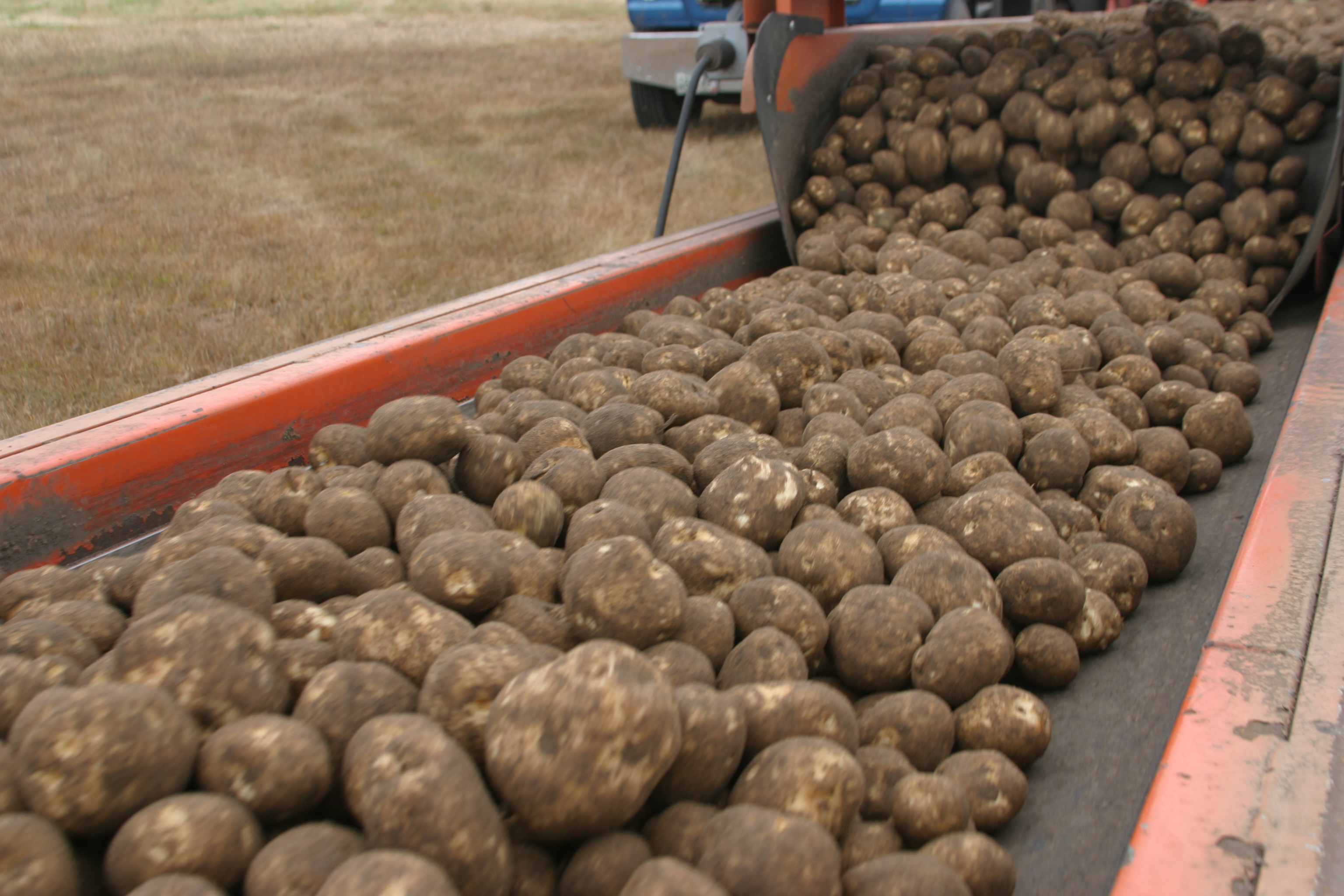
Harvesting Issues
Harvesting issues can ruin your entire potato crop. Understanding the right time and proper techniques to harvest potatoes ensures a bountiful yield. Below, we explore common harvesting problems and how to fix them.
Harvest Timing
Timing is crucial in potato harvesting. Harvest too early and your potatoes may be too small. Harvest too late and your potatoes could rot in the ground.
To determine the perfect harvest time:
- Watch the foliage: When the leaves turn yellow and die back, it’s usually time.
- Check the size: Gently dig up a test potato to see if it’s the desired size.
- Temperature: Potatoes should be harvested before a hard frost, which can damage them.
Harvest Techniques
Using the right technique is key to avoid damaging your potatoes. Damaged potatoes are more likely to rot and attract pests.
Follow these steps for effective harvesting:
- Use the right tools: A garden fork or spade is ideal for digging up potatoes.
- Lift gently: Insert the fork away from the plant and lift gently to avoid piercing the tubers.
- Brush off soil: Shake off excess soil without washing the potatoes to preserve their skins.
Store your harvested potatoes in a cool, dark place to keep them fresh longer.
Storage Problems
Struggling with potato storage? Discover solutions to common potato-growing issues, ensuring longer-lasting, healthy spuds. Avoid rot and sprouting with expert tips.
Potato storage problems can ruin your hard-earned harvest. Improper storage can lead to sprouting, rotting, and disease. Let’s explore how to store potatoes correctly.
Optimal Conditions
Potatoes need the right conditions to stay fresh. The best storage temperature is between 45°F and 50°F (7°C to 10°C). Keep them in a dark, cool place.
Humidity levels should be around 90-95%. High humidity keeps potatoes from drying out. Ensure good air circulation to prevent mold.
Storage Solutions
Use containers that allow air circulation. Ventilated bins or baskets work well. Avoid plastic bags. They trap moisture and cause rot.
For long-term storage, consider these options:
- Root Cellars: These provide the best environment for potatoes.
- Basements: A dark, cool corner can work if humidity is controlled.
- Garages: Only if they stay cool and dark.
Check stored potatoes regularly. Remove any that show signs of spoilage. This prevents rot from spreading.
Follow these tips to keep your potatoes fresh and tasty for months.
:max_bytes(150000):strip_icc()/how-to-grow-sweet-potatoes-in-the-home-garden-1403479-04-0372416a6cc843f391defa996a4c352e.jpg)
Credit: www.thespruce.com
Frequently Asked Questions
What Not To Do When Growing Potatoes?
Avoid planting potatoes in the same spot annually. Don’t overwater; ensure proper drainage. Refrain from using fresh manure. Avoid exposing tubers to sunlight. Don’t plant too deep.
What Do Overwatered Potato Plants Look Like?
Overwatered potato plants display yellowing leaves, wilting, and stunted growth. Soil may appear soggy, promoting root rot. Ensure proper drainage.
What Is The Best Fertilizer For Potatoes?
The best fertilizer for potatoes is a balanced mix of nitrogen, phosphorus, and potassium, such as a 10-10-10 blend. Organic options like compost or well-rotted manure also work well. Ensure soil pH is between 5. 5 and 6. 5 for optimal growth.
Conclusion
Mastering potato-growing challenges ensures a bountiful harvest. By addressing these common issues, your garden will thrive. Follow these tips to grow healthy, delicious potatoes. Happy gardening!