What Does It Mean If Indoor Plants Turn Purple: Expert Insights
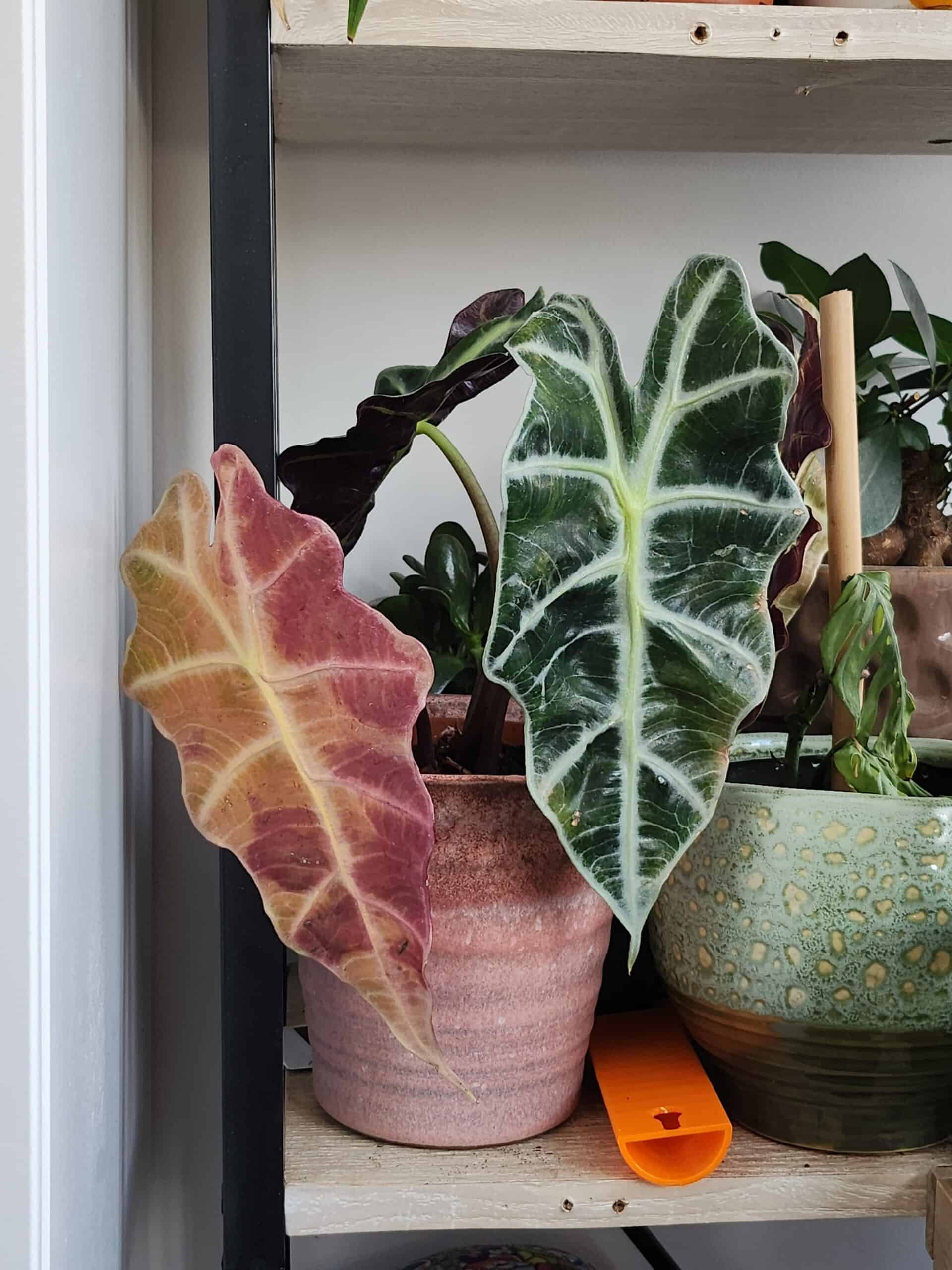
Indoor plants turning purple often indicates a nutrient deficiency or environmental stress. It may specifically point to a lack of phosphorus.
Indoor plants are popular for their aesthetic and health benefits. However, their care requires attention to detail. One common issue is the discoloration of leaves, turning purple. This phenomenon often signals a problem in the plant’s environment or nutrient uptake.
Nutrient deficiencies, particularly phosphorus, are a common cause. Environmental stress, such as incorrect light levels or temperature fluctuations, can also contribute. Addressing these issues promptly is crucial for the health of your indoor plants. Ensure proper care to maintain their vibrant green foliage and overall well-being. Regularly monitor their growing conditions to prevent and resolve such issues effectively.

Credit: www.reddit.com
Indoor Plants Turning Purple
Indoor plants turning purple can be a baffling sight for plant lovers. This color change signals underlying issues that need attention. Understanding these causes and impacts is crucial for plant health.
Common Causes
The most frequent cause of indoor plants turning purple is nutrient deficiency. Specifically, a lack of phosphorus can lead to purple leaves. Phosphorus is essential for energy transfer in plants.
Another reason could be temperature stress. Cold temperatures can cause plants to develop purple hues. This is common in plants not suited for cooler climates.
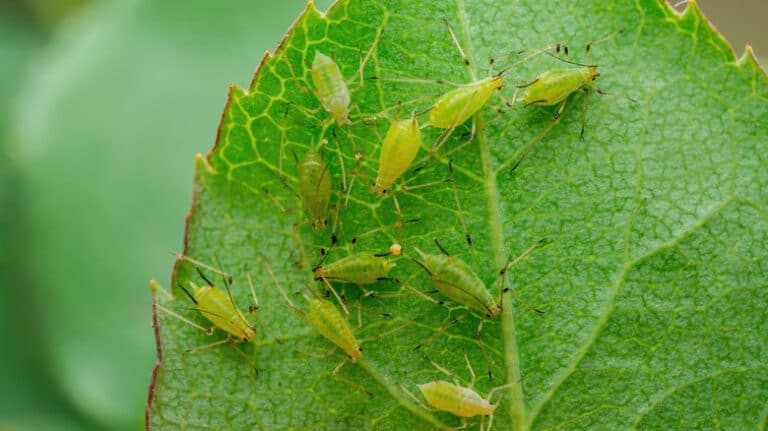
Pest infestations also trigger color changes. Aphids and spider mites can cause leaves to turn purple as the plant reacts to stress.
Impact On Plant Health
Purple leaves can affect a plant’s ability to photosynthesize. This can stunt growth and reduce overall health. A plant with purple leaves may show signs of reduced vigor.
In cases of nutrient deficiency, the plant may become more susceptible to diseases. This weakens the plant further, making recovery difficult.
Addressing these issues promptly is essential for restoring plant health. Proper care can help indoor plants regain their green, vibrant color.
Nutrient Deficiencies
Indoor plants may turn purple due to nutrient deficiencies. Nutrients are vital for plant health. Lack of nutrients can cause color changes. Let’s explore two common deficiencies.
Phosphorus Deficiency
Phosphorus is essential for energy transfer in plants. A phosphorus deficiency may cause leaves to turn purple. This issue is common in young plants. You might notice slow growth and weak stems.
To fix this, add phosphorus-rich fertilizer. Some good options include:
- Bone meal
- Rock phosphate
- Fish emulsion
Ensure the soil pH is between 6 and 7. This range helps plants absorb phosphorus better.
Magnesium Deficiency
Magnesium is crucial for chlorophyll production. A magnesium deficiency can lead to purple leaf veins. Often, older leaves are affected first. You might also see yellowing between veins.
To address this, use magnesium supplements. Some effective sources include:
- Epsom salt
- Dolomite lime
- Compost
Mix these into the soil or dissolve in water for foliar spray. Monitor your plants and adjust as needed.
Environmental Factors
Understanding why indoor plants turn purple can be puzzling. Environmental factors play a significant role. These factors can affect plant health and color.
Temperature Stress
Plants are sensitive to temperature changes. Sudden drops or rises can cause stress. Temperature stress can lead to purple leaves. Consistent temperature is essential for plant health.
Extreme cold or heat can hinder plant growth. Use a thermometer to monitor indoor temperatures. Aim for a stable environment to prevent stress.
Light Exposure
Light exposure is crucial for photosynthesis. Insufficient light can turn leaves purple. Ensure your plant gets adequate light daily.
Different plants need varying light levels. Check your plant’s specific light needs. Use grow lights if natural light is lacking.
Too much direct sunlight can also be harmful. It can scorch leaves and cause discoloration. Balance is key for optimal plant health.
| Plant Type | Light Requirement |
|---|---|
| Succulents | Bright, indirect light |
| Ferns | Low to medium light |
| Orchids | Filtered light |
Remember to rotate your plants occasionally. This ensures even light distribution. Healthy light exposure keeps plants vibrant and green.

Credit: www.reddit.com
Watering Issues
Watering issues are a common cause of indoor plants turning purple. Proper watering is key to plant health. Both overwatering and underwatering can cause problems. This section will explain how each issue affects your plants.
Overwatering
Overwatering is a frequent mistake for indoor plant owners. Too much water can suffocate the plant roots. This leads to poor nutrient absorption. Roots need oxygen to function properly. Without it, they rot.
Signs of overwatering include yellow leaves and a mushy stem. In severe cases, leaves turn purple. This is a sign of stress. The plant is struggling to survive. To avoid overwatering, check the soil before watering. Use a moisture meter for accuracy.
Underwatering
Underwatering is another common issue. Plants need water to transport nutrients. Without enough water, plants become stressed. This stress can cause leaves to turn purple. The plant is showing it’s thirsty.
Signs of underwatering include dry, brittle leaves. The soil will also be very dry. To fix underwatering, water the plant thoroughly. Ensure water reaches the roots. Regularly check the soil moisture to prevent future problems.
Here’s a quick comparison table to help you understand the differences:
| Issue | Signs | Solution |
|---|---|---|
| Overwatering | Yellow leaves, mushy stem, purple leaves | Check soil moisture, use a moisture meter |
| Underwatering | Dry, brittle leaves, very dry soil, purple leaves | Water thoroughly, ensure water reaches roots |
Pests And Diseases
Indoor plants turning purple can signal pests and diseases. These unwanted guests can harm your plants. Here, we will discuss common pests and diseases.
Fungal Infections
Fungal infections can cause plant leaves to turn purple. Powdery mildew and root rot are common fungi. Powdery mildew appears as a white or gray powder on leaves. Root rot affects the plant roots, making them brown or black.
Ensure good air circulation and avoid overwatering. Use fungicide sprays if needed. Remove infected leaves to stop the spread.
Insect Infestations
Insect infestations can also turn leaves purple. Aphids, spider mites, and whiteflies are common culprits. These insects suck plant juices, causing stress and color change.
Inspect plants regularly for insects. Use insecticidal soap or neem oil. Aphids can be washed off with water. Spider mites may need chemical treatments.
Genetic Factors
Understanding why indoor plants turn purple involves exploring their genetic makeup. Some plants have genes that cause purple leaves. These genes can be influenced by several factors. Let’s delve into the details.
Plant Varieties
Certain plant varieties naturally have purple leaves. This is due to their genetics. Some common examples include:
- Purple Heart Plant (Tradescantia pallida)
- Purple Shamrock (Oxalis triangularis)
- Red-Leaf Begonia (Begonia rex-cultorum)
These plants are bred to have purple leaves. Their genes make them stand out.
Natural Pigmentation
Plants have pigments that give them color. One such pigment is anthocyanin. Anthocyanin can make leaves appear purple. This pigment is present in many plants. Its levels can vary due to genetic factors.
Plants with high anthocyanin levels often have purple or red leaves. This pigmentation helps protect the plant. It shields them from strong sunlight and cold temperatures.
Here is a table summarizing the role of anthocyanin:
| Pigment | Color | Function |
|---|---|---|
| Anthocyanin | Purple/Red | Protection from sun and cold |
Understanding these genetic factors helps in caring for your plants better. Always choose the right plant variety for your home. This ensures a healthy and vibrant indoor garden.
Prevention Tips
Keeping your indoor plants healthy and vibrant requires attention to detail. Turning purple can be a sign of underlying issues. Here are some prevention tips to ensure your plants stay green and lush.
Proper Fertilization
Fertilization is crucial for plant health. Plants need the right nutrients to thrive. Use a balanced fertilizer with nitrogen, phosphorus, and potassium.
- Nitrogen helps with leafy growth.
- Phosphorus supports root development and flowering.
- Potassium aids in overall plant health.
Over-fertilizing can cause problems. Follow the recommended dosage on the package. Fertilize during the growing season for best results.
Optimal Light Conditions
Light is essential for photosynthesis. Too much or too little light can stress plants. Place your plants in a spot with indirect sunlight.
| Plant Type | Light Requirement |
|---|---|
| Succulents | Bright, direct light |
| Ferns | Low, indirect light |
| Orchids | Filtered light |
Rotate your plants weekly. This ensures even light exposure. Monitor your plants for signs of light stress. Yellowing leaves indicate too much light. Pale leaves indicate too little light.
Expert Advice
Indoor plants turning purple can be alarming. It often means something is wrong. This section offers expert advice to help you. Learn why plants turn purple and how to fix it.
Consulting A Specialist
Consulting a plant specialist can be very helpful. They can diagnose the problem quickly. Specialists have the knowledge and experience you need. They will ask about your plant care routine.
A specialist can check for pests or diseases. They will look at the soil and light conditions. Sometimes, a small change in care can make a big difference. Do not hesitate to get expert help.
Useful Resources
You can find many useful resources online. Websites, blogs, and forums offer valuable tips. Books on plant care are also a good option. These resources can teach you how to care for your plants.
Here are some resources to get you started:
- Plant Care Websites: HousePlant411, Gardener’s Supply
- Plant Care Books: “The Complete Houseplant Survival Manual” by Barbara Pleasant, “How Not to Kill Your Houseplant” by Veronica Peerless
- Online Forums: Reddit Houseplants, Houzz Houseplants
These resources can help you understand why your plants turn purple. They offer tips on how to fix the issue. Use these tools to improve your plant care skills.

Credit: www.reddit.com
Frequently Asked Questions
Why Are My Indoor Plants Turning Purple?
Purple leaves often indicate stress or nutrient deficiency. Check for phosphorus deficiencies or temperature stress.
How Can I Fix Purple Leaves?
Ensure proper lighting, temperature, and soil nutrients. Use a balanced fertilizer to address possible nutrient deficiencies.
Are Purple Leaves Harmful To Plants?
Purple leaves can signal underlying issues. Addressing the cause can help restore plant health and prevent damage.
Conclusion
Purple leaves on indoor plants can signal stress or nutrient deficiencies. Proper care and adjustments can often resolve the issue. Ensure adequate light, water, and nutrients for healthy growth. Regularly monitor your plants to catch problems early. Happy plants contribute to a vibrant and lively indoor environment.