How To Turn Your Garden Into A Wildlife Habitat: Easy Steps
To turn your garden into a wildlife habitat, provide native plants and water sources. Create shelter and avoid chemicals.
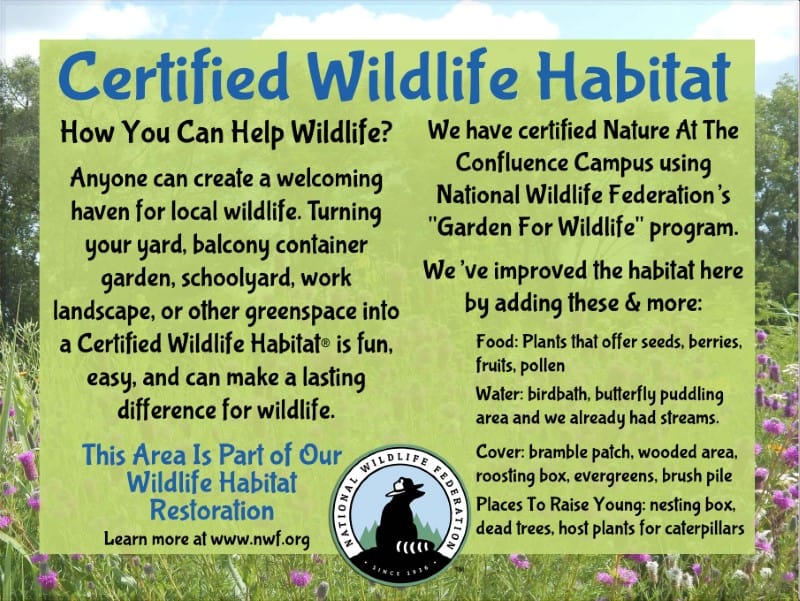
Creating a wildlife-friendly garden benefits local ecosystems and promotes biodiversity. Start by selecting native plants, as they attract local insects and birds. These plants require less maintenance and water, making them eco-friendly. Next, add water features like birdbaths or small ponds to provide drinking and bathing spots.
Piles of leaves, logs, and rocks offer essential shelter for various creatures. Avoid using pesticides and herbicides, as they harm wildlife. Instead, opt for natural pest control methods. By making these simple changes, you can transform your garden into a thriving habitat for local wildlife, enhancing both its beauty and ecological value.
Benefits Of A Wildlife Garden
Transforming your garden into a wildlife habitat brings many benefits. It supports local ecosystems and enhances biodiversity. This makes your garden a haven for various creatures. Let’s explore these benefits in detail.
Supporting Local Ecosystems
A wildlife garden helps local ecosystems thrive. Native plants provide food and shelter for animals. Birds, insects, and small mammals find a safe place to live. This creates a balanced environment.
Here are some benefits of supporting local ecosystems:
- Improved soil health – Native plants improve soil quality.
- Natural pest control – Predatory insects keep pests in check.
- Pollination – Bees and butterflies help pollinate plants.
Enhancing Biodiversity
A wildlife garden enhances biodiversity. Different plants attract various species. This creates a rich, diverse habitat.
Consider these points for enhancing biodiversity:
- Plant variety – Use a mix of flowers, shrubs, and trees.
- Water sources – Add a pond or birdbath.
- Shelter options – Provide nesting boxes and log piles.
| Action | Benefit |
|---|---|
| Planting native species | Supports local wildlife |
| Adding water features | Attracts birds and insects |
| Creating shelters | Provides homes for animals |
Choosing Native Plants
Turning your garden into a wildlife habitat starts with choosing native plants. These plants are adapted to your local environment. They support local wildlife like birds, bees, and butterflies. Let’s explore why native species matter and which ones are best for your region.
Importance Of Native Species
Native plants have evolved with local wildlife. They provide essential food and shelter. These plants require less water and care. They are more resistant to local pests and diseases.
Here are some benefits of native plants:
- Support local pollinators: Bees and butterflies rely on native flowers.
- Reduce water usage: Native plants thrive with natural rainfall.
- Provide habitat: Birds and insects find shelter in native plants.
- Minimize maintenance: These plants need less fertilizer and pesticides.
Best Plants For Your Region
Choosing the right plants depends on your region. Below are some examples of native plants for different areas:
| Region | Native Plants |
|---|---|
| Northwest | Oregon Grape, Red Columbine |
| Southwest | Desert Marigold, California Poppy |
| Northeast | Bee Balm, Black-Eyed Susan |
| Southeast | Coral Honeysuckle, Purple Coneflower |
| Midwest | Prairie Blazing Star, Butterfly Weed |
These plants will attract local wildlife. They will make your garden a vibrant ecosystem. Use the table as a guide to start your wildlife garden. Remember, native plants are key to a healthy habitat.
Creating Shelter
Transforming your garden into a wildlife habitat is exciting. One key step is creating shelter. Wildlife needs safe places to hide and rest. By providing shelter, you’ll attract a variety of creatures to your garden.
Building Birdhouses
Birdhouses offer birds a safe place to nest. Choose birdhouses made of natural wood. Avoid painted or treated wood. Place birdhouses in quiet, elevated spots. Hang them on trees or poles at least 6 feet high. Ensure the entrance hole is the right size for local birds. A small hole keeps predators out.
- Use natural wood
- Place high up
- Right-sized entrance hole
Providing Natural Cover
Natural cover helps animals feel safe. Plant dense shrubs and bushes. These offer protection from predators. Piles of rocks and logs create excellent hiding spots. Leave some areas of your garden wild and untamed. Tall grass and leaf piles are perfect for many creatures.
Consider creating a brush pile. Stack branches, sticks, and leaves together. This simple structure can shelter small animals like hedgehogs and frogs.
| Natural Cover | Benefits |
|---|---|
| Dense Shrubs | Protection from predators |
| Piles of Rocks | Hiding spots |
| Tall Grass | Safe nesting ground |
| Brush Pile | Home for small animals |
Water Sources
Creating a wildlife habitat in your garden is rewarding. A key aspect is adding water sources. Water attracts birds, insects, and other creatures. It provides them with a place to drink and bathe. Below are ways to introduce water sources into your garden.
Installing Birdbaths
Birdbaths are simple and effective. They draw birds to your garden. Birds need clean water for drinking and bathing. A birdbath should be shallow, about 1-2 inches deep.
- Location: Place birdbaths in a shady spot to keep the water cool.
- Cleaning: Clean the birdbath regularly to prevent algae build-up.
- Variety: Use different sizes and shapes to attract diverse bird species.
Creating Small Ponds
Small ponds offer a natural look and attract more wildlife. Frogs, dragonflies, and birds love ponds. You can build a pond with a liner or pre-formed shell. Add rocks and plants for a natural effect.
- Depth: Ensure the pond is at least 18 inches deep.
- Plants: Add aquatic plants like water lilies and reeds.
- Maintenance: Regularly check for debris and maintain water levels.
| Water Source | Attracts |
|---|---|
| Birdbath | Birds |
| Small Pond | Frogs, Dragonflies, Birds |
Avoiding Pesticides
Avoiding pesticides is key to creating a wildlife-friendly garden. Pesticides harm many beneficial insects and animals. They can also affect the soil and water. Instead, use natural methods to control pests and keep your garden healthy.
Natural Pest Control Methods
Natural pest control methods are safe and effective. Here are some simple techniques:
- Handpicking: Remove pests by hand. It’s easy and chemical-free.
- Companion Planting: Plant certain plants together to repel pests. For example, marigolds deter aphids.
- Beneficial Insects: Attract insects like ladybugs and spiders. They eat harmful pests.
- Neem Oil: Use neem oil to spray on plants. It’s natural and safe.
Benefits Of Organic Gardening
Organic gardening has many benefits. It helps the environment and your health.
| Benefit | Description |
|---|---|
| Healthy Soil | Organic methods improve soil quality. Healthy soil grows healthy plants. |
| Safe Food | Organic gardening means no chemicals on your food. It’s safer to eat. |
| Wildlife Friendly | Organic gardens attract birds, bees, and butterflies. They create a balanced ecosystem. |
| Cost-Effective | Organic methods reduce the need for expensive chemicals. You save money. |
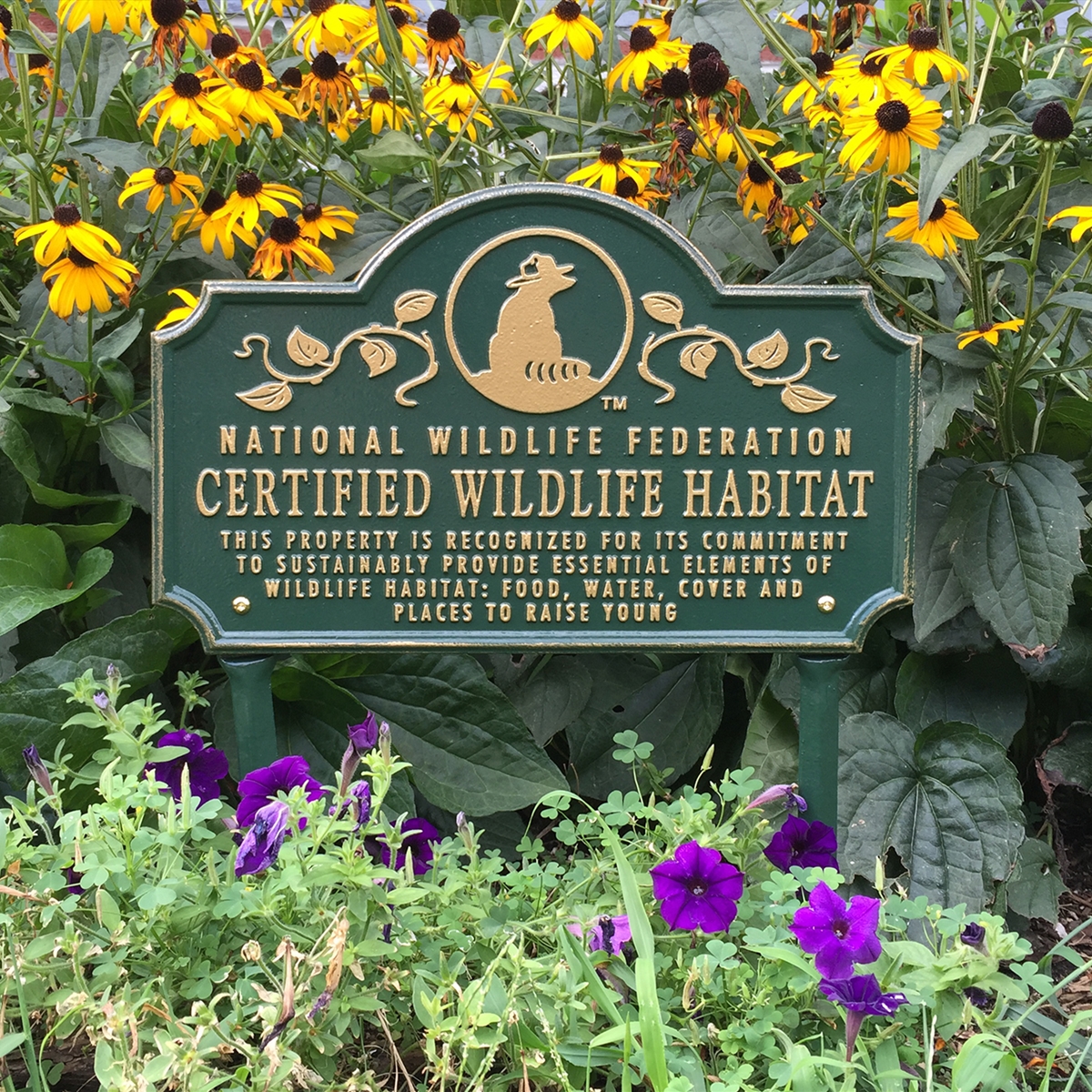
Credit: chirpforbirds.com
Feeding Wildlife
Feeding wildlife helps attract diverse species to your garden. By providing food, you create a welcoming environment for birds, insects, and small mammals. This section will guide you on the best ways to feed wildlife in your garden.
Choosing The Right Bird Feeders
Bird feeders come in various types. Each type suits different bird species. Tube feeders are great for small birds. They prevent larger birds from accessing the seeds.
Hopper feeders store more seeds and attract larger birds. Platform feeders serve a wide range of birds. They allow birds to perch and feed comfortably.
Ensure your feeders are easy to clean. Dirty feeders can spread diseases. Regularly clean them with mild soap and water.
Planting Berry-producing Shrubs
Berry-producing shrubs provide a natural food source. They attract birds, butterflies, and other wildlife. Planting these shrubs enhances the biodiversity of your garden.
Elderberries, serviceberries, and holly are excellent choices. They produce berries that ripen at different times. This ensures a continuous food supply for wildlife.
Consider the following table for some popular berry-producing shrubs:
| Shrub | Berry Color | Best for |
|---|---|---|
| Elderberry | Dark Purple | Birds and Butterflies |
| Serviceberry | Red | Birds |
| Holly | Red | Birds |
Plant shrubs in sunny areas. Ensure they have good soil drainage. Water them regularly to promote healthy growth.
Seasonal Considerations
Transforming your garden into a wildlife habitat involves understanding seasonal considerations. Each season brings unique needs for wildlife. By addressing these, you create a thriving environment.
Winter Shelter
Winter can be harsh for wildlife. Providing shelter is crucial. Use evergreen shrubs and trees as natural covers. They offer protection from wind and snow. Birdhouses and bat boxes also help. Small mammals benefit from leaf piles and brush piles.
To create a cozy space, consider these materials:
- Logs and branches
- Straw and hay
- Rocks and stones
Summer Water Needs
In summer, water is essential. Wildlife needs fresh, clean water daily. Set up a birdbath in a shaded area. Refill it regularly to keep the water clean.
Consider creating a small pond. It attracts frogs, insects, and birds. Add aquatic plants to maintain water quality. Use the following table for quick summer water tips:
| Water Source | Tips |
|---|---|
| Birdbath | Place in shade, clean often |
| Pond | Add aquatic plants, avoid chemicals |
| Water Dish | Use shallow dishes, change water daily |
Ensure your garden provides for wildlife all year. Seasonal considerations make a significant impact on the ecosystem.

Credit: homesteadandchill.com
Monitoring And Maintenance
Creating a wildlife habitat in your garden is a rewarding endeavor. To keep it thriving, regular monitoring and maintenance are essential. This ensures that the environment remains conducive for wildlife. Here are some key practices to follow:
Regularly Checking Water Sources
Water sources are crucial for wildlife. Regularly check them to ensure they are clean and filled. Stagnant water can attract pests and spread diseases. Clean bird baths and ponds weekly. Ensure the water is fresh and free of contaminants.
| Water Source | Maintenance Frequency |
|---|---|
| Bird Baths | Weekly |
| Ponds | Monthly |
| Water Features | Bi-weekly |
Maintaining Plant Health
Healthy plants attract more wildlife. Regularly inspect your plants for signs of disease or pests. Remove dead or diseased plants promptly. Use organic fertilizers to nourish the soil.
- Inspect plants weekly for pests.
- Remove dead or diseased plants.
- Use organic fertilizers.
Pruning is also essential. Trim plants to promote growth and prevent overcrowding. This encourages a diverse range of wildlife to visit your garden.
- Trim plants regularly.
- Prevent overcrowding.
- Encourage plant diversity.
Community Involvement
Transforming your garden into a wildlife habitat can be a rewarding journey. It becomes even more fulfilling when shared with your community. Involving your neighbors and local groups can amplify your efforts. Let’s explore ways to engage with your community.
Joining Local Wildlife Groups
Local wildlife groups can offer valuable support. These groups often have resources and knowledge. Joining them can help you learn new techniques.
Here’s a table of benefits:
| Benefit | Description |
|---|---|
| Shared Knowledge | Learn from experienced members. |
| Resources | Access to tools and guides. |
| Events | Participate in workshops and meetings. |
Search for groups in your area. Websites and social media can help you find them.
Sharing Your Experience
Sharing your experience can inspire others. Use social media to post updates. Create a blog or join online forums.
Here’s a simple checklist:
- Take photos of your garden.
- Write about your progress.
- Share tips and tricks.
- Encourage questions and interactions.
Your journey can motivate others to start their own. It builds a stronger community and helps wildlife thrive.
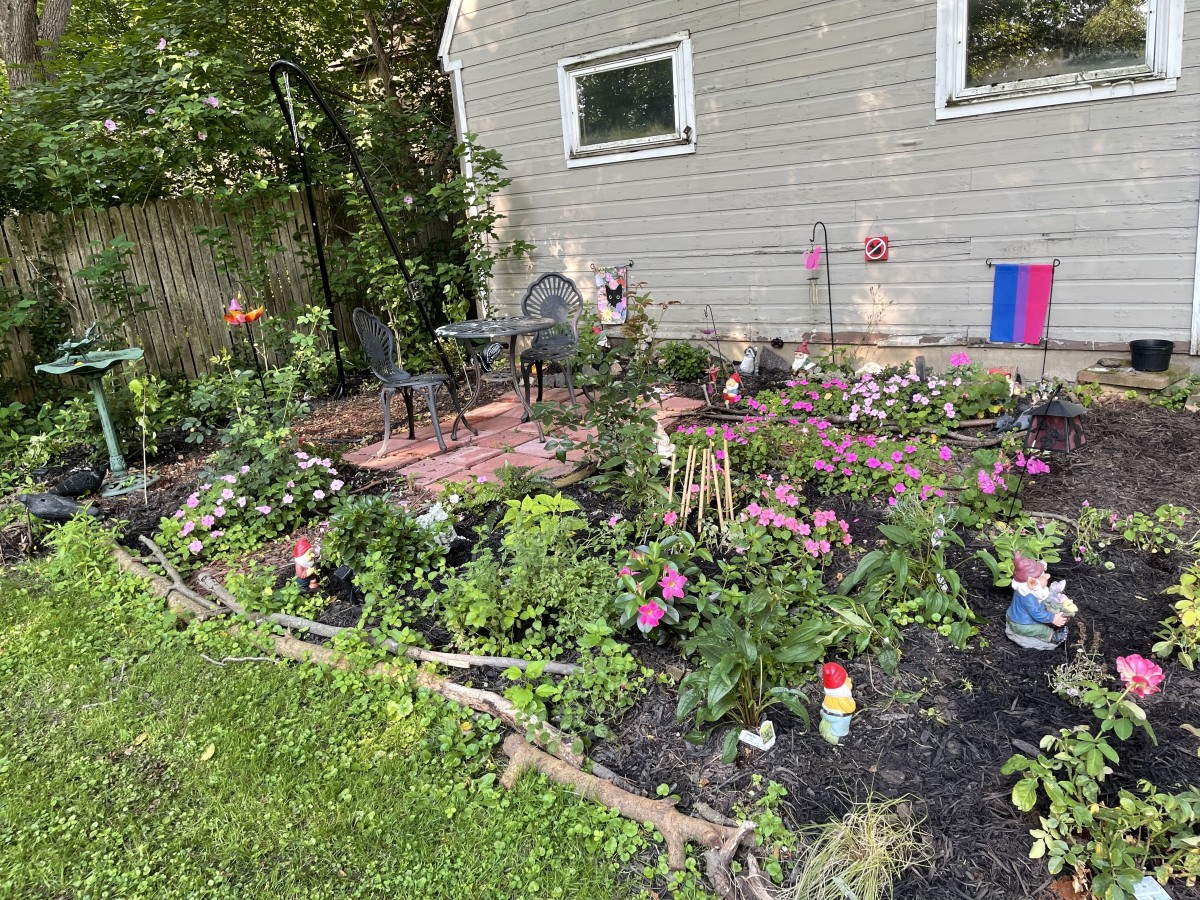
Credit: dengarden.com
Frequently Asked Questions
How Can I Attract Wildlife To My Garden?
Plant native flowers and shrubs, provide water sources, and avoid using pesticides to create a welcoming habitat.
What Types Of Plants Attract Wildlife?
Native plants, such as wildflowers, shrubs, and trees, attract birds, butterflies, and beneficial insects to your garden.
Why Is A Wildlife Habitat Garden Important?
A wildlife habitat garden supports biodiversity, helps pollinators, and provides food and shelter for various species.
Conclusion
Transforming your garden into a wildlife habitat benefits both nature and your well-being. Simple steps can attract diverse species. Native plants, water sources, and shelter create a thriving ecosystem. Enjoy watching wildlife and knowing you’re helping the environment. Start your garden transformation today and make a difference.