Why Grape Jelly Could Be Deadly To Hummingbirds
Feeding grape jelly to hummingbirds can actually be deadly. It’s loaded with artificial sugars and lacks the essential nutrients that hummingbirds need, leading to malnutrition. The sticky consistency can trap the small birds, causing injuries or even death. During migration, an unbalanced diet from grape jelly can lead to starvation. Constantly eating jelly also affects their overall health and energy levels. To keep these beautiful creatures safe, regular nectar made from 4 parts water to 1 part sugar is a much better choice. If you want to guarantee their well-being and avoid these risks, there’s more you might find helpful.
Key Takeaways
- Grape jelly’s high artificial sugar content can lead to serious health problems and malnutrition in hummingbirds.
- The sticky consistency of grape jelly can trap hummingbirds, causing injuries or death.
- Regular consumption of grape jelly results in an unbalanced diet, affecting overall health and energy levels.
- Jelly feeders often lead to increased rescue cases during migration due to improper feeding practices.
- Grape jelly lacks essential nutrients, impacting the growth and development of young hummingbirds.
Hummingbird Feeding Guidelines
Feeding hummingbirds the right way is fundamental for their health and well-being. If you’re thinking about setting up a hummingbird feeder, it’s essential to get the nectar mixture right. The ideal ratio is 4 parts water to 1 part white sugar.
Don’t add red dye; it’s harmful and linked to increased mortality and tumors. The natural red components of most feeders are enough to attract these beautiful birds without putting them at risk.
One thing I’ve learned is the importance of avoiding jelly feeders for hummingbirds. While jelly might attract other birds, it’s not suitable for hummingbirds. They require nectar, not the concentrated sugars found in jelly, which can be harmful to their health.
Plus, jelly can spoil quickly, posing additional risks.
Keeping your feeders clean is also critical. Spoiled nectar can lead to serious health issues for hummingbirds. Regular cleaning and maintenance are necessary to guarantee the birds are getting safe, fresh nectar.
Foods to Avoid
One critical aspect of ensuring the health of hummingbirds is knowing what foods to avoid.
It’s important to be aware of how harmful certain foods can be to these delicate creatures. One such harmful food is jelly.
Here are three key reasons why you should avoid feeding jelly to hummingbirds:
- High Levels of Artificial Sugars: Grape jelly contains artificial sugars that can lead to malnutrition. Hummingbirds need a balanced diet, and jelly only provides quick energy without the necessary nutrients.
- Sticky Consistency: The sticky nature of jelly poses a significant risk. Hummingbirds can get trapped in it, leading to severe injury or even death. Their weak feet make it difficult for them to escape, increasing the risk of hypothermia or asphyxiation.
- Lack of Essential Nutrients: Jelly lacks the essential proteins and nutrients that hummingbirds get from natural food sources like nectar and insects.
Over-reliance on jelly can cause serious health problems, as it doesn’t offer the diverse nutrition they need.
Protein Sources
When it comes to protein sources for hummingbirds, small insects and spiders play a vital role in their diet.
These protein-packed foods are especially important during nesting periods, providing essential nutrients for muscle development and overall health.
Additionally, tree sap offers a supplementary protein source, ensuring hummingbirds maintain their energy levels and reproductive success.
Insect-Based Protein Necessity
Hummingbirds don’t just live off of sugar water; they need protein too, primarily from small insects and spiders.
While we often focus on filling our hummingbird feeders with nectar, it’s essential to remember that these tiny birds rely on insects for necessary amino acids, fundamental for their growth, reproduction, and overall health.
Here’s why insect-based protein is so important:
- Growth and Development: Fledglings need protein to grow strong feathers and muscles.
- Breeding: Breeding adults require extra protein to support egg production and chick rearing.
- Health Maintenance: Protein helps with tissue repair and general health maintenance.
The nutritional needs of hummingbirds can vary by species and change based on environmental factors and life stages.
For instance, during breeding season, the demand for protein spikes.
Observing their feeding habits can provide insights into their dietary preferences, enabling us to create a more balanced feeding environment.
Tree Sap Nutritional Benefits
While insect-based protein is essential for hummingbirds, they also benefit greatly from other natural food sources like tree sap.
Tree sap isn’t just a sweet treat; it provides essential carbohydrates and sugars that hummingbirds need for their high energy demands. Especially during periods when nectar is scarce, tree sap serves as a vital dietary supplement.
The sugary content of tree sap helps hummingbirds maintain their energy levels, enabling them to sustain their rapid wing beats and high metabolism. Certain tree species, such as maples and birches, offer sap that’s particularly rich in sugars during specific seasons, making them a valuable resource.
In addition to sugars, tree sap contains trace minerals and other nutrients that contribute to the overall health of hummingbirds. These additional nutrients can support various physiological processes, enhancing their ability to thrive.
Furthermore, tree sap provides necessary hydration, which is essential for survival, particularly in dry environments where water sources may be limited.
Best Plants for Attracting Birds
Attracting a variety of birds to your garden requires selecting the right plants, and many species excel at drawing in our feathered friends. Hummingbirds, in particular, are captivated by plants with rich nectar and tubular flowers. Some of the best choices include Salvia, Foxglove, and Bee Balm. These plants not only provide abundant nectar but also offer the vibrant colors hummingbirds love, especially reds and oranges.
To enhance your garden’s bird appeal, consider these top plant choices:
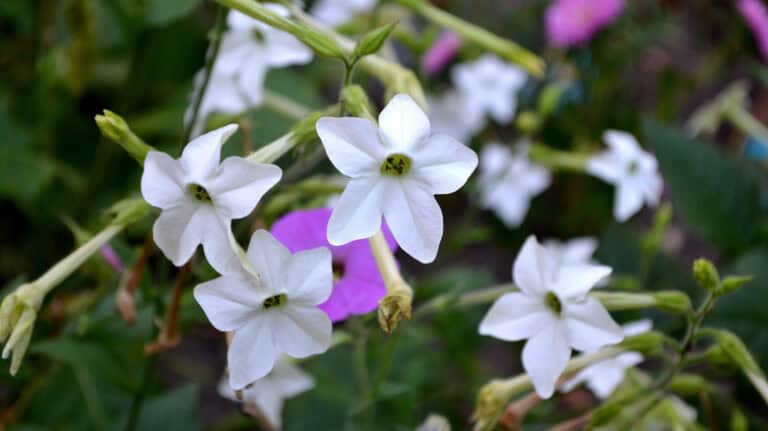
- Day lilies and Petunias: Their flowers are excellent feeding opportunities for hummingbirds, adding to the diversity of your bird-friendly garden.
- Native Plants: Incorporating native species can greatly boost your chances of attracting hummingbirds, as these plants are tailored to local wildlife needs.
- Brightly Colored Flowers: Plants with red and orange hues are particularly effective at signaling nectar availability to hummingbirds.
In addition to planting, don’t forget to maintain clean feeders filled with fresh nectar.
Combining these plants with well-placed feeders can create an irresistible haven for hummingbirds and other pollinators. A diverse selection of flowering species will support local ecosystems and bring your garden to life with avian visitors.
Improper Feeding Practices
When feeding hummingbirds, many of us may unintentionally cause harm by using grape jelly. It’s easy to overlook, but grape jelly can create a sticky environment that traps these delicate birds. Their feet are weak, and getting stuck in jelly can lead to serious injuries or even death.
Imagine a bird struggling to free itself, unable to escape, leading to hypothermia or asphyxiation. Unfortunately, this isn’t just a hypothetical scenario; birds have been documented getting stuck in jelly, resulting in such tragic outcomes.
During migration periods, the use of grape jelly feeders increases, which correlates with a rise in rescue cases. Rehabilitation centers often see hummingbirds in urgent condition because of improper feeding practices involving jelly.
It’s heartbreaking to see these beautiful creatures suffer due to something that’s entirely avoidable.
The high sugar content in grape jelly also poses a threat. While I won’t delve into the nutritional aspects here, it’s vital to note that the lack of necessary nutrients and protein in jelly can severely impact a hummingbird’s health.
Safer feeding practices are significant to guarantee we’re not unintentionally endangering the very birds we aim to help and admire.
Nutritional Concerns of Jelly
Feeding hummingbirds with grape jelly raises significant nutritional concerns that we often overlook. While grape jelly is packed with sugar, it lacks essential nutrients like protein that hummingbirds need for proper health, especially the younger ones. Over-relying on jelly means these vibrant birds miss out on a balanced diet that includes insects, their primary protein source.
Key Nutritional Concerns:
- High Sugar, Low Nutrition: Grape jelly is mostly sugar water, offering quick energy but no real nourishment. This sugary treat can lead to malnutrition over time, especially for fledglings and juveniles who need protein for growth.
- Artificial Ingredients: The artificial sugars and flavorings found in jelly can be harmful. These ingredients contribute to health issues rather than providing beneficial nutrition, making jelly more of a risk than a treat.
- Diet Imbalance: Birds that consume jelly instead of more nutritious foods face an increased risk of starvation. This is particularly dangerous during migration periods when their energy needs are at their highest.
Dangers of Jelly Feeding
Despite grape jelly’s sweet appeal, its use in feeding hummingbirds brings about several significant dangers. One major issue is the high artificial sugar content in grape jelly, which can be detrimental to their health. Hummingbirds are naturally drawn to the sweet aroma, but the unnatural sugar levels can lead to serious health problems over time.
Another vital concern is the sticky consistency of jelly. Hummingbirds, with their weak feet, can easily become trapped in the jelly. Once stuck, their struggle to free themselves often results in injuries or even death. This isn’t a rare occurrence; rehabilitation centers have reported an increasing number of hummingbirds admitted due to grape jelly-related incidents.
Furthermore, unattended grape jelly can cause severe health consequences. For instance, if a hummingbird gets stuck and isn’t found quickly, it could suffer from hypothermia or asphyxiation.
As responsible bird enthusiasts, it’s essential to recognize these risks and monitor feeders closely. The dangers posed by grape jelly are real, and the rising number of affected hummingbirds highlights the need for safer feeding practices. Let’s guarantee we provide a safe environment for these delicate creatures.
Trends in Bird Feeding
Given the significant dangers associated with feeding grape jelly to hummingbirds, it’s clear that our bird feeding practices need careful reconsideration.
Over recent years, grape jelly has become a popular choice for attracting orioles, but many birders have mistakenly extended its use to hummingbirds, leading to serious health risks. The trend has shifted from the traditional use of orange slices to specialized jelly feeders.
Here are some notable trends in bird feeding:
- Misconceptions and Misuse: Many enthusiasts use grape jelly year-round, believing it’s beneficial for all birds, despite warnings from rehabilitation centers about its dangers, especially during migration.
- Marketing Influence: The bird feeder industry has capitalized on this trend by marketing jelly feeders specifically designed for birds, inadvertently encouraging harmful practices.
- Increased Rescues: Observations from organizations like Raptor Education Group Inc. show a rise in jelly-related rescues, highlighting the need for better public education on safe bird feeding.
To guarantee the well-being of hummingbirds, we should consider safer alternatives like fresh fruit or nectar.
This shift will help mitigate health issues and reduce the number of entrapped birds needing rescue.
Case Studies and Incidents
I’ve come across some troubling cases that illustrate the dangers of feeding birds grape jelly.
One involved Ruby-throated Hummingbirds at a rehabilitation center, with one arriving too late to save.
Other reports include dead warblers and tanagers, highlighting the severe consequences of this seemingly harmless practice.
Hummingbird Mortality From Jelly
Observing the tragic outcomes of grape jelly ingestion by hummingbirds, several case studies from Raptor Education Group Inc. (REGI) have shed light on this growing issue. Hummingbird mortality from jelly is alarmingly high, with REGI documenting severe health issues and fatalities in these delicate creatures.
One particularly heartbreaking case involved a dead hummingbird arriving at a rehabilitation center, underscoring the lethal risks posed by grape jelly.
Three critical observations highlight the dangers of grape jelly:
- Sticky Consistency: The sticky nature of grape jelly can trap hummingbirds. Their weak feet make it nearly impossible to escape, often leading to injuries or death.
- Summer Surge: An increasing number of jelly-related rescues occur during the summer, indicating a seasonal spike in these incidents.
- Lack of Monitoring: Many incidents occur because jelly feeders are left unmonitored. Without human supervision, the risk to hummingbirds escalates considerably.
These cases emphasize the urgent need for education on safe feeding practices.
Wildlife rehabilitation advocates are calling for more awareness to prevent further harm to hummingbirds. By understanding the risks and taking appropriate measures, we can help protect these incredible birds from the dangers of grape jelly.
Real-Life Rescue Reports
In real-life rescue reports, the stark dangers of grape jelly feeding come to life through heartbreaking case studies and incidents. Raptor Education Group Inc. (REGI) has seen a disturbing rise in hummingbirds affected by grape jelly. One bird even arrived dead, and others were in critical condition.
I remember a specific case study involving multiple Ruby-throated Hummingbirds. These tiny creatures were found trapped in sticky grape jelly, their wings immobilized. They couldn’t escape, leading to severe injuries and, in some cases, death.
During migration periods, the problem worsens, with more birds coming into contact with this harmful substance, highlighting a gap in public awareness about safe feeding practices.
Rehabilitation centers have also observed that hummingbirds relying on grape jelly often suffer from malnutrition and other health issues. The sticky nature of grape jelly isn’t just a physical threat; it doesn’t provide the necessary nutrients hummingbirds need.
A safer alternative is a nectar solution made from 4 parts water to 1 part sugar. This simple switch can save countless lives.
These real-life rescue reports underline the urgency of educating the public on proper feeding practices to protect our hummingbird friends.
Recommendations and Actions
When it comes to feeding hummingbirds, it’s vital to avoid using grape jelly due to its sticky consistency, which can trap and harm these delicate creatures.
Their weak feet can’t escape the sticky mess, leading to injury or even death. It’s important to stop feeding grape jelly to hummingbirds immediately and opt for safer practices.
Here are some steps you can take:
- Educate Yourself and Others: Understand the dangers of grape jelly. It not only traps hummingbirds but also lacks necessary nutrients, potentially causing malnutrition if relied upon.
- Monitor Your Feeders: Regularly check your feeders to verify no jelly is left unattended. Unattended jelly increases the risk of hummingbirds becoming mired in the substance.
- Promote Safe Practices: Share the importance of using clean nectar solutions made from 4 parts water to 1 part white sugar, without any artificial additives or dyes. This helps everyone maintain healthier feeding habits.
Healthier Snack Alternatives
Finding healthier snack alternatives for hummingbirds is crucial to guaranteeing their safety and well-being. One excellent option is fresh orange slices. Not only are they nutritious, but they can also attract small insects, providing a natural protein source that benefits their diet. Another great alternative is bird jelly specifically formulated for hummingbirds. This type of jelly is free from harmful additives found in grape jelly and offers a safe, nutritious option.
Homemade nectar is another simple and effective choice. By mixing 1 part sugar to 4 parts water, you can create a healthy feeding solution without the need for dyes or preservatives. Maintaining a clean environment for feeders and regularly offering fresh food guarantees the well-being of these tiny visitors and prevents mold and mildew growth.
| Healthier Snack Alternatives | Benefits | Preparation |
|---|---|---|
| Fresh Orange Slices | Nutrients and attracts insects | Slice fresh oranges and place them near feeders |
| Bird Jelly | Safe, nutritious, free from additives | Purchase specifically formulated bird jelly |
| Homemade Nectar | Easy, dye-free, preservative-free | Mix 1 part sugar to 4 parts water |
Including protein sources like small insects and spiders in the environment further enhances the overall diet quality for hummingbirds, supporting their health and energy.
Feeding Strategies
While guaranteeing we provide the best care for hummingbirds, adopting effective feeding strategies is essential. One significant step is to avoid feeders covered in grape jelly. Instead, use smaller, lipped dishes that minimize the risk of hummingbirds getting trapped in sticky substances.
Here’s how you can create a safe and inviting environment for these beautiful creatures:
1. Monitor and Maintain: Regularly monitor bird visitors to verify they’re getting appropriate food. This helps prevent unintended access to harmful foods.
Additionally, keep feeders clean, as mold and mildew can develop quickly in sugary liquids, posing health risks.
2. Feeder Positioning: Position feeders near trees with high insect activity. This not only provides a balanced diet that includes protein sources alongside nectar but also keeps the birds in a more natural foraging environment.
3. Fresh Alternatives: Consider offering fresh orange halves instead of grape jelly. Oranges attract both hummingbirds and beneficial insects without the associated risks of sticky substances.
Frequently Asked Questions
Is Grape Jelly Harmful to Hummingbirds?
Yes, grape jelly is harmful to hummingbirds. Its high artificial sugar content can cause malnutrition, and the sticky consistency can trap their feet, leading to injury or death. Please avoid using it to attract them.
Can You Put a Hummingbird Feeder Next to an Oriole Feeder?
Yes, you can put a hummingbird feeder next to an oriole feeder. I’d recommend keeping them separate to avoid jelly mishaps. Monitor the feeders regularly, ensuring each bird gets its preferred food safely and without harm.
What Is the Leading Cause of Death of Hummingbirds?
The leading cause of death in hummingbirds is getting trapped in sticky substances like grape jelly. Their weak feet can’t escape, and they often end up malnourished and vulnerable. Proper feeding practices are essential to their survival.
Is Grape Jelly Bad for Birds?
Yes, grape jelly is bad for birds. It contains artificial sugars and has a sticky consistency that can harm them. I recommend using safer alternatives like orange halves or homemade nectar to feed hummingbirds.
Conclusion
Imagine a tiny hummingbird, its iridescent feathers shimmering in the sunlight, hovering near your garden. By avoiding harmful foods like grape jelly and opting for natural nectar or protein-rich insects, you can guarantee these delicate creatures thrive. Picture your garden alive with their vibrant energy, darting from one flower to another. Let’s commit to feeding them wisely, creating a haven where they can flourish and dazzle us with their beauty. Your thoughtful choices make all the difference.