
What To Do With Delphiniums After They Finish Flowering: Expert Tips
Cut back delphiniums to the ground after flowering. Remove dead foliage and apply mulch for winter protection.
Delphiniums are stunning perennials that bring vibrant colors to gardens. After their blooming period, it’s essential to care for them properly. Cutting back the spent flower spikes and dead foliage ensures the plant remains healthy and prepares for the next growing season.
Applying mulch provides insulation against harsh winter conditions, helping the roots survive cold temperatures. With the right post-flowering care, delphiniums can continue to thrive and produce beautiful blooms year after year. Proper maintenance not only enhances their appearance but also extends their lifespan, making them a rewarding addition to any garden.
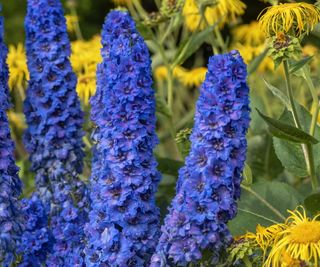
Credit: www.homesandgardens.com
Pruning Delphiniums
Delphiniums are beautiful garden flowers. After they finish flowering, pruning is essential. Proper pruning encourages new growth and a second bloom. It also keeps the plant healthy and tidy.
Cutting Back Stems
Cutting back stems is a vital part of delphinium care. After the flowers fade, use sharp, clean scissors. Cut the stems down to the base of the plant. Make sure to leave a few inches above the ground. This helps the plant to regrow stronger stems.
Follow these steps for cutting back stems:
- Identify the faded flower stems.
- Use sharp scissors or pruning shears.
- Cut the stem down to a few inches above the ground.
- Dispose of the cut stems properly.
Removing Dead Flowers
Removing dead flowers is also known as deadheading. This process keeps the plant looking neat. It also encourages more blooms. Deadheading prevents the plant from wasting energy on seed production.
To remove dead flowers, follow these simple steps:
- Locate the dead or faded flowers.
- Pinch or cut off the flower heads.
- Dispose of the removed flowers properly.
Regular deadheading ensures your delphiniums stay vibrant and healthy.
Feeding And Fertilizing
After your delphiniums finish flowering, they need proper feeding and fertilizing. This helps them regain strength and prepare for the next blooming season. Ensuring they get the right nutrients is crucial for their health and growth.
Choosing The Right Fertilizer
Selecting the correct fertilizer is vital. Delphiniums thrive with a balanced fertilizer containing equal parts nitrogen, phosphorus, and potassium. Look for a 10-10-10 or 20-20-20 formula.
Organic options like compost or well-rotted manure also work well. These options improve soil structure and add essential nutrients. You can combine both methods for optimal results.
Timing Your Feeding
Feeding delphiniums at the right time is crucial. Once the flowers fade, start your feeding routine. This helps the plant recover and store energy for the next season.
Apply fertilizer every three to four weeks during the growing season. Stop feeding in late summer to let the plant prepare for dormancy. Over-fertilizing can harm the plant, so follow the recommended guidelines.
| Fertilizer Type | Frequency | Benefits |
|---|---|---|
| Balanced Fertilizer (10-10-10) | Every 3-4 weeks | Provides essential nutrients |
| Organic Compost | Once at the start of feeding season | Improves soil structure |
| Well-Rotted Manure | Once at the start of feeding season | Boosts soil health |
Watering Needs
Understanding the watering needs of your delphiniums after they finish flowering is vital. Proper watering ensures the plants remain healthy and ready for the next growing season. This section will guide you through the right amount of water and how to prevent overwatering.
How Much To Water
Delphiniums need moderate water after flowering. Keep the soil moist but not soggy. Water the plants deeply once a week. This helps roots grow strong. Use a soaker hose for even watering.
Avoiding Overwatering
Too much water can harm your delphiniums. Check the soil before watering. Stick your finger 2 inches into the soil. If it feels dry, it’s time to water. If it feels wet, wait a few days.
Here’s a simple table to help you remember:
| Soil Condition | Action |
|---|---|
| Dry | Water deeply |
| Moist | Wait before watering |
| Soggy | Do not water |
Overwatered plants may show yellow leaves. If this happens, reduce the water. Ensure good drainage to keep roots healthy.

Credit: www.gardenersworld.com
Protecting From Pests
After your delphiniums finish flowering, they need protection from pests. These pests can damage the plant if not managed properly. Let’s explore common pests and natural pest control methods.
Common Pests
Delphiniums are prone to a few common pests. Knowing these pests helps in keeping your plants healthy.
| Pest | Signs of Infestation |
|---|---|
| Aphids | Sticky leaves and stunted growth |
| Slugs and Snails | Holes in leaves and slime trails |
| Caterpillars | Chewed leaves and droppings |
Natural Pest Control
Using natural methods to control pests is safe and eco-friendly. Here are some effective ways to keep pests at bay:
- Neem Oil Spray: Mix neem oil with water. Spray on leaves.
- Garlic Spray: Crush garlic and mix with water. Use as a spray.
- Handpicking: Remove pests by hand. Dispose of them away from the garden.
- Beneficial Insects: Introduce ladybugs and lacewings. They eat pests.
These methods keep your delphiniums safe and healthy. Always monitor your plants regularly. Early action ensures the best results.
Preparing For Winter
As the vibrant blooms of delphiniums fade, it’s time to prepare them for winter. Proper winter care ensures healthy growth in the next season. Follow these steps to safeguard your delphiniums against harsh weather.
Mulching Techniques
Mulching is essential to protect delphiniums from freezing temperatures. Apply a thick layer of organic mulch around the base of the plants. Use materials like straw, leaves, or compost. This helps insulate the roots and retain moisture.
Ensure the mulch layer is about 3 inches thick. Keep the mulch at least 2 inches away from the stems. This prevents rot and allows air circulation.
- Use straw, leaves, or compost for mulching.
- Apply a 3-inch thick layer around the base.
- Keep mulch 2 inches away from stems.
Covering Delphiniums
Covering delphiniums protects them from frost and snow. Use breathable materials like burlap or garden fabric. This helps prevent ice damage while allowing air flow.
Secure the covers around the plants using stakes or ties. Ensure the covers are not too tight, as this can damage the plants.
Remove the covers during warm spells to prevent overheating. This helps maintain healthy conditions for your delphiniums.
- Use burlap or garden fabric for covering.
- Secure covers with stakes or ties.
- Remove covers during warm spells.
Dividing And Transplanting
Delphiniums are beautiful flowers that brighten gardens. After they finish flowering, it is essential to care for them properly. Dividing and transplanting are important tasks that keep your delphiniums healthy and blooming.
When To Divide
Delphiniums should be divided every three to four years. This process helps maintain their vigor and ensures continuous blooming. The best time to divide delphiniums is in early spring or late summer. Choose a cool, cloudy day to reduce plant stress.
Steps For Transplanting
Follow these steps to transplant your delphiniums successfully:
- Prepare the new site: Choose a well-draining location with full sun. Amend the soil with compost for nutrients.
- Water the plants: Water the delphiniums deeply the day before dividing. This helps reduce transplant shock.
- Dig up the plants: Use a spade to dig around the base of the plant. Lift the clump carefully.
- Divide the clump: Gently pull apart the roots into smaller sections. Each section should have at least one healthy stem and root system.
- Replant the divisions: Plant each section in the prepared site. Space them about 18 inches apart. Water thoroughly after planting.
Following these steps will ensure your delphiniums thrive in their new location. Regularly dividing and transplanting keeps your garden vibrant and healthy.
Dealing With Diseases
After delphiniums finish flowering, they can face diseases. Knowing how to handle these problems helps keep your plants healthy. This section provides a guide on identifying common diseases and taking preventative measures.
Identifying Common Diseases
Common diseases that affect delphiniums include powdery mildew, botrytis blight, and downy mildew. Recognize the signs early to treat them effectively.
| Disease | Symptoms |
|---|---|
| Powdery Mildew | White, powdery spots on leaves and stems |
| Botrytis Blight | Gray mold on flowers, leaves, and stems |
| Downy Mildew | Yellow spots on upper leaf surfaces, fluffy white growth underneath |
Preventative Measures
Taking steps to prevent diseases is crucial. Here are some effective measures:
- Water at the base: Avoid wetting leaves and stems.
- Ensure good airflow: Space plants properly to reduce humidity.
- Remove dead material: Clean up fallen leaves and flowers.
- Use fungicides: Apply as a preventive measure, especially in humid conditions.
Implement these steps to keep your delphiniums healthy and vibrant.

Credit: www.gardenersworld.com
Supporting Growth
Delphiniums are beautiful, but they need care after they flower. Supporting their growth helps them stay strong and bloom again.
Using Stakes
Stakes help delphiniums stand tall. Choose strong stakes that match the plant’s height.
- Insert the stake into the soil next to the stem.
- Place stakes before the plant gets too tall.
- Ensure the stake is firm and stable.
Tying Up Stems
Tying up stems keeps them from bending or breaking. Use soft garden twine or fabric strips.
- Wrap the twine around the stem and the stake.
- Make a loose knot to avoid damaging the stem.
- Check ties regularly and adjust as the plant grows.
| Step | Action |
|---|---|
| 1 | Insert stake next to stem |
| 2 | Wrap twine around stem and stake |
| 3 | Make a loose knot |
| 4 | Check and adjust ties regularly |
Encouraging Reblooming
Delphiniums are stunning garden plants. Their tall, colorful spikes draw attention. After blooming, you can encourage a second bloom. This section will guide you on how to do it.
Deadheading Tips
Deadheading helps delphiniums focus energy on new blooms. Follow these simple steps:
- Use clean, sharp scissors.
- Cut off spent flowers just above the first set of leaves.
- Remove any dead or yellowing leaves.
Regular deadheading can lead to a more vibrant second bloom.
Reblooming Fertilizers
Fertilizing is crucial for a second bloom. Use a balanced fertilizer. A 10-10-10 mix works well. Apply it every two weeks.
| Fertilizer Type | Application Frequency |
|---|---|
| 10-10-10 Mix | Every Two Weeks |
Water the plants well after fertilizing. This helps nutrients reach the roots.
Frequently Asked Questions
How Do You Care For Delphiniums Post-bloom?
Cut back spent flower stalks to encourage more blooms. Water regularly and apply mulch to retain moisture.
Should Delphiniums Be Cut Back After Flowering?
Yes, cutting back delphiniums after flowering promotes new growth and helps the plant conserve energy for the next season.
What To Do With Delphinium Leaves After Flowering?
Remove any yellow or damaged leaves to keep the plant healthy and reduce the risk of disease.
Conclusion
Caring for delphiniums after they finish flowering ensures their health. Cut back spent blooms to encourage regrowth. Mulch and fertilize to nourish the soil. Consider dividing overcrowded plants for better growth. Proper care guarantees beautiful blooms next season. Follow these tips for thriving delphiniums year after year.