How To Prepare Your Garden Soil For Planting
Did you know that plants grown in well-prepared soil can yield up to 50% more produce than those in poorly prepared soil? If you’re aiming to transform your garden into a thriving haven, the first step is to understand your soil’s needs. Start with a soil test to gauge pH levels and nutrient content. Once you’ve got the results, you’ll need to clear the area of weeds and debris, then enrich the soil with organic matter like compost. But that’s just the beginning—there are several important steps to follow to guarantee your garden flourishes.
Test Your Soil
Before you start planting, it’s important to test your soil to understand its composition and nutrient levels. This initial step guarantees your garden has the best chance to thrive.
Soil testing reveals significant information about pH levels, organic matter content, and the presence of essential nutrients like nitrogen, phosphorus, and potassium. You want your plants to have a strong start, right?
Begin by collecting soil samples from different parts of your garden. Dig down about six inches to get a representative sample. Mix these samples together in a clean container.
You can use a home soil test kit or send your samples to a local agricultural extension office for a more detailed nutrient analysis.
The results will guide you in making the necessary adjustments. If your soil is too acidic or too alkaline, you can amend it accordingly.
Nutrient deficiencies identified through soil testing can be corrected with specific fertilizers. This step might seem tedious, but it’s critical.
Your garden’s success hinges on the foundation you lay early on. Embrace the process with passion and dedication, and your plants will reward you with lush growth and abundant harvests.
Clear the Area
Clearing your garden area is essential for healthy soil preparation.
Start by removing weeds thoroughly, ensuring you get the roots out to prevent regrowth.
Dispose of any debris and uproot unwanted plants to give your garden the clean slate it needs.
Remove Weeds Thoroughly
To guarantee your garden thrives, one of the most essential steps is to remove weeds thoroughly, clearing the area of any unwanted plants.
Start with proper weed identification; knowing your enemies is key. Different weeds require different approaches, so take time to distinguish between annuals and perennials. This knowledge will help you choose the best method for eradication.
Begin by manually pulling weeds, ensuring you extract the entire root system to prevent regrowth. For larger infestations, consider using natural herbicides. These eco-friendly solutions, such as vinegar or a salt-water mixture, can effectively kill weeds without harming the environment or your future plants.
Remember, persistence is vital. Regularly inspect your garden and remove any new weeds before they spread.
When removing weeds, aim to do this on a dry day. Wet soil makes roots break more easily, leaving remnants that will sprout again. Use a hoe or a hand trowel for deeper roots, getting as close to the base as possible.
Your goal is a clean, weed-free slate ready for planting. Embrace this step with dedication, knowing it lays the foundation for a flourishing garden.
Dispose of Debris
A clutter-free garden is vital for healthy plant growth and ease of maintenance. Before you can enjoy the fruits of your labor, you’ve got to clear the area of all debris types that can hinder your plants’ growth.
Whether it’s fallen branches, dead leaves, or even old mulch, each type of debris can affect your soil differently, and you need a smart debris disposal plan.
Here’s a practical guide to help you get started:
- Start with Large Items: Remove any large branches or rocks first. These can impede your ability to dig and plant effectively.
- Rake Leaves and Twigs: Use a sturdy rake to gather smaller items like leaves and twigs. These materials can decompose and enrich your compost pile.
- Dispose of Non-Organic Waste: Items like plastic, glass, or metal should be removed and properly recycled or disposed of. This step is vital for preventing contamination.
- Inspect Soil Surface: Finally, carefully inspect the soil for any remaining debris types. Smaller items like pebbles or remnants of old plants should be picked out by hand.
Uproot Unwanted Plants
With the debris out of the way, your next task is to uproot unwanted plants that can compete with your garden’s new inhabitants. This step is essential; you don’t want weeds stealing nutrients and sunlight from your carefully chosen plants.
Start by mastering plant identification. Know your foes: dandelions, crabgrass, and thistle are common culprits. Familiarize yourself with their appearances so you can target them effectively.
Effective weeding techniques make all the difference. Grab a sturdy pair of gloves and a hand trowel. For smaller weeds, a simple tug may suffice. Make certain you remove the entire root to prevent regrowth.
For more stubborn invaders, use your trowel to loosen the soil around the plant before gently pulling it out. This minimizes root breakage and guarantees a cleaner removal.
Don’t overlook the benefits of mulching. After clearing the area, spread a layer of mulch to suppress future weed growth. It’s a proactive step that saves you time and effort later on.
Remove Weeds
Before you can cultivate a thriving garden, it’s important to remove weeds that compete for nutrients and water.
Weed management is important for giving your plants the best possible start. These invasive species can choke out your flowers and vegetables, stealing the essential resources they need to flourish.
Here’s how you can tackle those pesky weeds effectively:
- Identify the Weeds: Different weeds require different strategies. Familiarize yourself with the common invasive species in your area to tailor your approach.
- Hand-Pull Weeds: For small gardens, manually pulling weeds can be very effective. Make sure you remove the entire root to prevent regrowth.
- Use Mulch: Applying a layer of mulch can suppress weed growth by blocking sunlight. Organic mulches like straw or wood chips also improve soil quality.
- Weed-Killing Tools: Consider using tools like hoes or weeders for larger areas. These can make the job quicker and less strenuous on your body.
Add Organic Matter
Nurturing the importance of your garden soil requires the enriching power of organic matter. Adding compost and organic fertilizers transforms your soil into a thriving ecosystem. You’ll notice improved soil structure, enhanced water retention, and robust plant growth. Let’s explore the compost benefits that will rejuvenate your garden.
First, incorporate aged compost into your soil. It’s rich in nutrients and beneficial microbes. Spread a 2-3 inch layer over your garden and mix it well into the top 6-12 inches of soil. This process aids in aeration, allowing roots to breathe and absorb nutrients efficiently.
Next, consider organic fertilizers like bone meal, blood meal, or fish emulsion. These provide essential nutrients without the harsh chemicals found in synthetic options. They release nutrients slowly, feeding your plants over time.
Here’s a quick reference table to guide you:
| Organic Matter | Benefits | Application Tips |
|---|---|---|
| Aged Compost | Enhances soil structure, fertility | Mix 2-3 inches into topsoil |
| Bone Meal | High in phosphorus | Use in planting holes or topdress |
| Blood Meal | High in nitrogen | Sprinkle lightly and water in |
| Fish Emulsion | Balanced nutrients | Dilute and apply as a foliar spray |
Amend Soil Ph
To guarantee your plants thrive, start by testing your soil’s acidity levels.
If your results show a pH imbalance, adjust it with lime to increase pH or sulfur to decrease it.
Properly amending your soil’s pH can make a world of difference in your garden’s health and productivity.
Test Soil Acidity Levels
Getting your garden soil in top shape often starts with checking its acidity levels, also known as pH.
Soil testing is vital because the pH scale, ranging from 0 to 14, determines how well plants can access nutrients. Most garden plants thrive in soil with a pH between 6.0 and 7.0, so knowing where your soil stands is essential.
Here’s how you can test your soil acidity levels:
- Purchase a soil testing kit: These are available at most garden centers and are easy to use. Follow the instructions to get an accurate reading of your soil’s pH.
- Use a pH meter: For a more precise measurement, invest in a digital pH meter. Insert the probe into the soil, and it will give you an instant reading.
- Send a sample to a lab: For the most thorough analysis, send a soil sample to a professional lab. They’ll provide a detailed report on your soil’s pH and nutrient levels.
- DIY vinegar and baking soda test: For a quick, rough estimate, mix soil with vinegar or baking soda. Fizzing indicates either acidic or alkaline soil, respectively.
Adjust With Lime or Sulfur
Once you’ve tested your soil’s acidity levels, it’s time to adjust the pH to create the ideal growing environment for your plants.
If your soil is too acidic, you’ll want to contemplate lime application. Lime helps to raise the pH, making the soil less acidic and more alkaline. This adjustment is essential for nutrient balancing, as many plants struggle to absorb essential nutrients in overly acidic conditions.
On the other hand, if your soil is too alkaline, sulfur benefits come into play. Sulfur lowers the pH, making the soil more acidic. This can greatly enhance plant compatibility, especially for acid-loving plants like blueberries or azaleas.
When you choose between lime or sulfur, always revisit your pH testing results to guide your decision.
Remember, soil composition plays a significant role in how these amendments work. Sandy soils may require more frequent lime or sulfur applications compared to clay soils.
Don’t forget about seasonal adjustments either; the effectiveness of these soil amendments can change with the seasons due to varying temperatures and moisture levels.
Improve Drainage
Good drainage is essential for healthy plants, as it prevents water from pooling, which can lead to root rot and other issues. Improving your garden’s drainage guarantees your plants thrive. To achieve this, focus on enhancing your soil texture and reaping the compost benefits.
- Add organic matter: Compost is a fantastic way to improve drainage. It enriches the soil, provides nutrients, and helps manage moisture levels.
- Create raised beds: If your garden has heavy clay soil, consider building raised beds. This elevates your plants and improves water flow, preventing soggy roots.
- Use sand or perlite: Mixing sand or perlite into your soil can greatly enhance its texture. These materials break up compacted soil, allowing water to move freely.
- Install drainage systems: Sometimes, natural methods aren’t enough. Installing French drains or simple underground pipes can direct excess water away from your garden.
Improving drainage might seem labor-intensive, but it’s worth the effort. With better soil texture and the compost benefits, your plants will be happier and healthier.
Till the Soil
Having improved your garden’s drainage, it’s time to focus on tilling the soil, an essential step for preparing your garden. Tilling helps to break up compacted soil, improving its texture and making it easier for roots to penetrate. You’ll want to choose the right tilling methods to guarantee your soil is in prime condition for planting.
First, assess your soil texture. If it’s heavy clay, tilling can help loosen it up, while sandy soil might need less aggressive tilling. Use a garden fork or a rotary tiller, depending on the size of your garden and your physical capabilities. Start by breaking the soil to a depth of about 8-12 inches. This depth guarantees that plant roots can grow deep and access necessary nutrients.
When tilling, go slowly and avoid overworking the soil, which can damage its structure. Aim for a crumbly, loose texture that lets water and air move freely.
It’s best to till when the soil is slightly moist, not too wet or dry, to achieve the perfect consistency.
Mulch the Surface
To create a thriving garden, mulching the surface is an essential step that shouldn’t be overlooked. Mulch acts like a cozy blanket for your soil, offering numerous mulch benefits that can transform your garden. It helps retain moisture, suppress weeds, regulate soil temperature, and enrich the soil as it decomposes.
When choosing among mulch types, consider these options:
- Organic Mulch: This includes materials like straw, wood chips, and compost. It enriches the soil as it breaks down.
- Inorganic Mulch: Options like landscape fabric or gravel don’t decompose but can be effective in controlling weeds and retaining soil moisture.
- Living Mulch: Ground cover plants or low-growing crops can serve as a living mulch, protecting your soil while adding beauty to your garden.
- Sheet Mulching: This involves layering cardboard or newspaper, topped with organic mulch, to create a weed-suppressing barrier.
To apply mulch, spread it evenly over the soil surface, ensuring a depth of about 2-3 inches. Keep mulch away from plant stems to prevent rot.
Set Up Irrigation
After mulching the surface to protect and nourish your garden soil, the next step is to set up an efficient irrigation system. Drip irrigation and soaker hoses are your best friends here. They deliver water directly to the root zone, guaranteeing ideal moisture levels while promoting water conservation.
Consider installing automated systems that allow precise irrigation scheduling, taking the guesswork out of watering. These systems can be programmed for seasonal adjustments, adapting to the varying needs of your plants throughout the year.
Monitoring moisture levels is vital. Invest in moisture sensors to help you determine when and how much to water. This reduces the risk of overwatering or underwatering, which can harm your garden.
Your garden layout plays a significant role in irrigation efficiency. Plan your system to guarantee even coverage, preventing dry spots or waterlogged areas. Incorporate rainfall collection systems to harness nature’s bounty, further conserving water and reducing your garden’s environmental footprint.
Regular irrigation maintenance is essential. Check for clogs or leaks in your drip lines and soaker hoses, and adjust your automated systems as needed.
A well-maintained irrigation system guarantees your garden thrives, making all your hard work worthwhile.
Plan Your Layout
For a thriving garden, plan your layout by determining where each plant will go and considering how much sunlight each area gets.
Group plants with similar sunlight needs together to guarantee they flourish.
This careful planning sets the stage for a successful and bountiful garden.
Determine Plant Placement
Determining plant placement is a crucial step that can make or break your garden’s success. It’s not just about putting plants in the ground; it’s about creating a harmonious environment where each plant thrives.
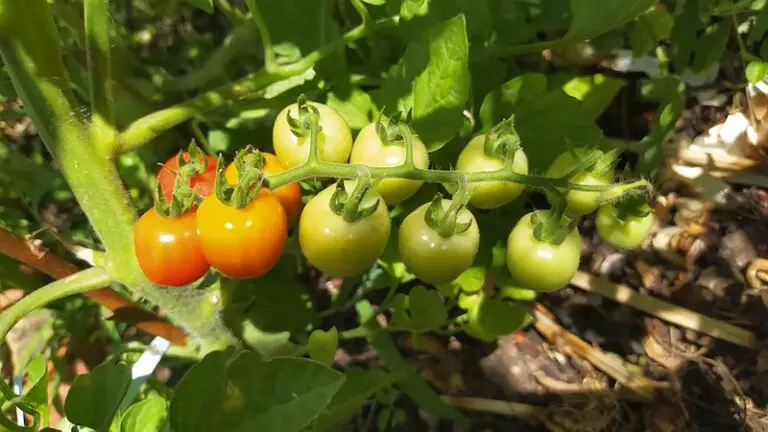
Start by considering companion planting, which involves placing plants that benefit each other close together. For example, basil and tomatoes are a classic pair since basil can repel pests that target tomatoes.
Next, understand each plant’s space requirements. Crowded plants compete for nutrients, water, and sunlight, leading to poor growth.
Here’s a simple approach to plan your layout:
- Sketch Your Garden: Draw your garden space on paper. Include paths and structures to visualize how much space you have.
- List Your Plants: Write down all the plants you want to grow, noting their mature size and space needs.
- Group by Companions: Arrange plants into groups based on companion planting principles. This enhances growth and reduces pests.
- Map It Out: Place these groups on your sketch, making sure to leave enough space for each plant to thrive.
Consider Sunlight Exposure
When planning your garden layout, considering sunlight exposure is paramount to guarantee your plants flourish. Start by observing how sunlight moves across your garden throughout the day. Note areas that bask in the sun for most of the day and those that linger in shade. Understanding sunlight duration helps you decide the perfect spot for each plant.
Plants have different sunlight needs. Some crave full sun—six or more hours of direct sunlight daily—while others thrive in partial shade. Knowing the shade tolerance of your plants is essential. For instance, tomatoes and peppers need plenty of sunlight, whereas leafy greens like spinach and lettuce can handle more shade.
When you’re ready to plant, group sun-loving plants together in the brightest parts of your garden. Reserve the shadier spots for plants with higher shade tolerance. This strategic placement will maximize growth and yield.
Additionally, consider the height of your plants. Taller plants can cast shadows, so place them where they won’t block the sun from reaching shorter, sun-dependent plants.
Planning your garden with sunlight exposure in mind guarantees that each plant gets the light it needs, fostering a thriving, vibrant garden you’ll be proud of.
Frequently Asked Questions
How Can I Attract Beneficial Insects to My Garden?
To attract beneficial insects, use companion planting with herbs and vegetables. Plant native flowers like milkweed and coneflower, which provide nectar and habitat. You’ll create a vibrant, balanced ecosystem that supports your garden’s health.
What Should I Do About Pests Before Planting?
Don’t worry, you’ve got this! Start with pest identification to know what you’re up against. Use organic treatments like neem oil or diatomaceous earth. These methods are safe and effective, protecting your garden naturally.
How Do I Choose the Right Plants for My Soil Type?
To choose the right plants, test your soil compatibility first. Identify its type and pH. Then, match plant characteristics to your soil conditions. You’ll find that understanding your garden’s unique needs creates a thriving, vibrant space.
How Can I Protect My Garden From Extreme Weather Conditions?
Think of your garden as a fortress. To guard against extreme weather, use soil amendments to strengthen your plants’ foundation and weather barriers like mulch or row covers to shield them. Your garden will thrive under your care.
What Is the Best Time of Year to Start Preparing My Garden Soil?
You should start preparing your garden soil in early spring or fall. Seasonal gardening works best when you do soil testing during these times, ensuring your plants get the nutrients they need for a thriving garden.
Conclusion
Congratulations, you’re now ready to transform your garden into a flourishing Eden! Just like a master painter prepares their canvas, you’ve meticulously crafted the perfect foundation for your plants. By testing, clearing, enriching, and planning, you’re setting the stage for vibrant growth. Remember, every great garden starts with well-prepared soil. Now, let your green thumb work its magic and watch your garden thrive. Happy planting!