Got 10 Minutes? Boost Your Tomato Harvest with This Simple Hack
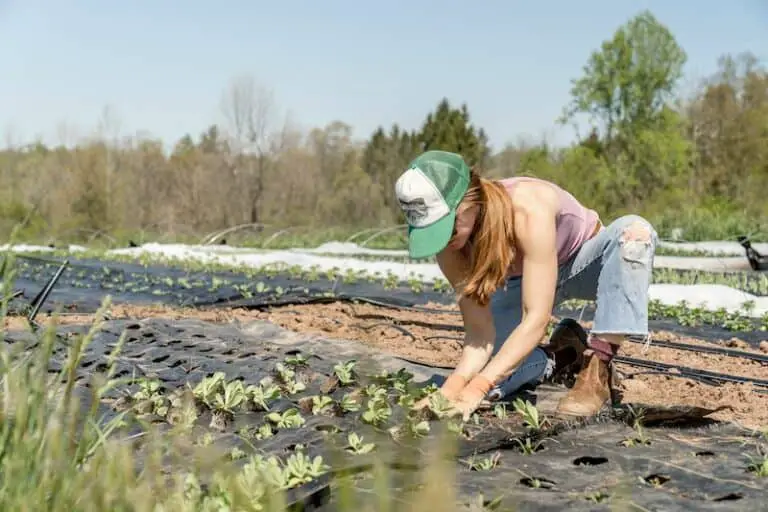
Prune the lower leaves and suckers from your tomato plants. This practice boosts airflow and directs energy to fruit production.
Tomato plants thrive with regular maintenance. Pruning lower leaves and suckers ensures better airflow, reducing the risk of disease. This simple task directs the plant’s energy towards fruit production, leading to a more bountiful harvest. Regularly inspect your plants and remove any yellowing leaves or unnecessary shoots.
This practice can be done in just 10 minutes and significantly boosts your tomato yield. Consistent care and attention to your tomato plants result in healthier growth and a more productive garden. Invest a few minutes regularly to enjoy a more abundant and flavorful harvest.

Credit: extension.sdstate.edu
Choose The Right Variety
Tomato lovers, choosing the right variety is key to a bountiful harvest. Not all tomatoes are created equal. Some thrive in certain climates, while others boast unique flavors. Let’s dive into selecting the perfect tomato type for your garden.
Heirloom Vs. Hybrid
Heirloom tomatoes are cherished for their rich flavors and unique shapes. These varieties have been passed down through generations. They often have a stronger taste and come in different colors.
Hybrid tomatoes are bred for specific traits like disease resistance and high yield. These varieties are usually more uniform in size and shape. Hybrids can offer consistency and resilience.
| Aspect | Heirloom | Hybrid |
|---|---|---|
| Flavor | Rich and diverse | Consistent but milder |
| Appearance | Varied shapes and colors | Uniform |
| Yield | Moderate | High |
| Disease Resistance | Low | High |
Climate Considerations
Tomatoes need the right climate to thrive. Some varieties handle heat better, while others prefer cooler temperatures.
- Hot Climates: Choose varieties like Heatmaster or Solar Fire.
- Cool Climates: Opt for varieties like Glacier or Stupice.
- Humid Climates: Look for varieties like Juliet or Big Beef.
Matching your tomato variety to your climate ensures a better harvest. Local gardening stores can offer advice on the best types for your area.
Plant In Optimal Conditions
Tomatoes thrive when planted in the right environment. Ensuring optimal conditions can significantly boost your harvest. Here’s how you can get started.
Soil Preparation
Tomatoes need well-draining soil rich in organic matter. Start by testing your soil’s pH levels. Aim for a pH between 6.0 and 6.8.
- Add compost to enrich the soil.
- Ensure the soil is loose and crumbly.
- Remove any weeds or debris.
Use a garden fork to aerate the soil. This helps the roots grow better.
Sunlight Requirements
Tomatoes love sunlight. They need at least 6-8 hours of full sun each day.
- Choose a sunny spot in your garden.
- Avoid areas with too much shade.
Monitor the sunlight exposure throughout the day. Ensure your plants get the necessary light.
Watering Techniques
Proper watering techniques can significantly boost your tomato harvest. In just 10 minutes, you can ensure your tomatoes get the best care. These simple methods can make a huge difference.
Deep Watering
Deep watering encourages roots to grow deeper. This makes plants stronger and more drought-resistant. Water your tomatoes slowly and deeply. Aim for the water to reach at least 6 inches into the soil.
Use a soaker hose or drip irrigation. These tools let water seep into the soil gradually. This method reduces water waste and ensures even distribution. Water in the morning to reduce evaporation. Avoid watering the leaves to prevent diseases.
Avoid Overwatering
Too much water can harm your tomatoes. Overwatering leads to root rot and reduces fruit quality. Check the soil before watering. Stick your finger about 2 inches into the soil. If it feels moist, skip watering for that day.
Watering too often can also wash away nutrients. This leaves your tomatoes weak and less productive. Use mulch to retain soil moisture. Mulch helps keep the soil warm and reduces the need for frequent watering.
Follow these simple watering techniques for healthier, more productive tomato plants. With just 10 minutes, you can make a big difference in your harvest.
Mulching Benefits
Mulching your tomato plants can greatly enhance your harvest. Mulch provides several benefits that can help your tomatoes thrive. Learn how mulching can lead to healthier, more productive plants.
Weed Control
Weeds compete with your tomato plants for nutrients and water. Applying mulch creates a barrier that prevents weeds from growing. This means your tomatoes get more of the nutrients they need.
- Mulch blocks sunlight, stopping weed seeds from germinating.
- Less weeding means more time for other garden tasks.
- Your garden looks cleaner and more organized.
Moisture Retention
Tomatoes need consistent moisture to grow well. Mulch helps the soil retain water, so your plants stay hydrated longer.
- Mulch reduces water evaporation from the soil.
- Your plants get a steady supply of moisture.
- Less frequent watering saves you time and effort.
| Type of Mulch | Benefits |
|---|---|
| Straw | Light and easy to spread; excellent for weed control. |
| Grass Clippings | Free and readily available; adds nutrients to the soil. |
| Wood Chips | Long-lasting; provides good moisture retention. |
Adding mulch to your tomato garden is a simple task. It takes just a few minutes but offers huge benefits.
Pruning For Better Yield
Pruning tomato plants can boost your harvest. It helps the plant focus on growing fruits, not just leaves. With just 10 minutes, you can make a big difference. Let’s dive into two key pruning techniques.
Removing Suckers
Suckers are small shoots that grow between the main stem and branches. They don’t produce fruit and take energy from the plant. Removing them is simple.
- Locate the suckers between the main stem and branches.
- Pinch them off with your fingers or use clean scissors.
- Do this regularly to keep the plant focused on fruit production.
Removing suckers helps the plant grow stronger. It directs more energy to the fruits. This results in bigger and tastier tomatoes.
Trimming Lower Leaves
Trimming lower leaves helps prevent disease. It also improves air circulation around the plant. This keeps the plant healthy and productive.
- Identify the lower leaves close to the ground.
- Use clean scissors or pruners to cut them off.
- Make sure to leave some leaves for photosynthesis.
By trimming lower leaves, you reduce the risk of soil-borne diseases. This is crucial for a healthy tomato plant. Healthy plants produce more and better fruits.
Follow these simple steps and watch your tomato harvest improve. Remember, just 10 minutes can make a big difference!
Fertilizing Strategies
Boosting your tomato harvest doesn’t need hours. Just 10 minutes can make a difference. Using effective fertilizing strategies ensures your plants get the nutrients they need. Let’s explore some methods to help your tomatoes thrive.
Organic Options
Organic fertilizers are a great choice for tomatoes. They improve soil health and promote natural growth. Here are some popular organic options:
- Compost: Add a layer around the base of your plants.
- Fish Emulsion: Dilute it with water and apply every two weeks.
- Bone Meal: Sprinkle it in the soil to boost phosphorus levels.
- Seaweed Extract: Use as a foliar spray for added potassium.
Timing And Frequency
Knowing when and how often to fertilize is crucial. Follow these guidelines to maximize your tomato yield:
- Before Planting: Mix compost into the soil.
- First Bloom: Apply a balanced fertilizer.
- Every 3-4 Weeks: Continue with regular feedings.
- Late Season: Use a low-nitrogen fertilizer to support fruiting.
Monitor your plants’ growth and adjust as necessary. Over-fertilizing can harm your tomatoes, so use caution.
Pest Management
Effective pest management is crucial for a bountiful tomato harvest. Spending just 10 minutes can make a huge difference. Discover how to keep your tomato plants healthy and pest-free with these simple tips.
Natural Predators
Encouraging natural predators in your garden can help control pests. Ladybugs, spiders, and birds are excellent at keeping harmful insects at bay. Planting flowers like marigolds and daisies attracts these beneficial creatures.
- Ladybugs eat aphids.
- Spiders trap pests in their webs.
- Birds feed on caterpillars and beetles.
By nurturing these natural predators, you can create a balanced ecosystem in your garden.
Homemade Solutions
DIY solutions can be effective in managing pests without harmful chemicals. Here are some simple recipes:
| Solution | Ingredients | Instructions |
|---|---|---|
| Neem Oil Spray | 1 tsp neem oil, 1 liter water | Mix and spray on plants weekly. |
| Garlic Spray | 2 cloves garlic, 1 liter water | Blend, strain, and spray on plants. |
| Soap Spray | 1 tsp dish soap, 1 liter water | Mix and spray directly on pests. |
These homemade solutions are safe for your plants and the environment. Use them regularly to keep pests under control.
By spending just a few minutes on pest management, you can ensure a healthy and abundant tomato harvest. Happy gardening!
Supporting The Plants
To maximize your tomato harvest, supporting the plants is essential. Proper support prevents branches from breaking and keeps fruits off the ground, reducing the risk of disease. Below are some effective methods to support your tomato plants.
Staking Methods
Staking is a simple method to support tomato plants. It involves driving a stake into the ground next to each plant. Here’s how to do it:
- Choose a stake 4-6 feet tall.
- Drive the stake 1 foot into the soil.
- Use soft ties to attach the plant stem to the stake.
Staking keeps the plant upright and allows for better air circulation. This method works well for indeterminate tomatoes, which grow tall and require continuous support.
Using Tomato Cages
Another popular method for supporting tomato plants is using tomato cages. These cages are cylindrical structures placed around the plant.
- Place the cage over the plant when it is young.
- As the plant grows, guide the branches through the cage openings.
- Ensure the cage is sturdy and anchored well.
Tomato cages provide support from all sides, making them ideal for determinate tomato varieties, which are bushier. They also help keep the plants neat and tidy, making harvesting easier.
Both staking and using cages are effective methods to support your tomato plants. Choose the method that suits your garden layout and tomato variety for the best results.
Companion Planting
Companion planting is an effective gardening technique. It involves growing different plants together. This can improve your garden’s health and productivity. Tomatoes, in particular, benefit greatly from this method.
Beneficial Herbs
Some herbs can help your tomatoes thrive. Basil is a great example. It repels pests like mosquitoes and flies. It also enhances the flavor of tomatoes.
Another good herb is parsley. It attracts hoverflies, which eat harmful pests. Thyme is also useful. It deters worms that attack tomato plants.
| Herb | Benefit |
|---|---|
| Basil | Repels mosquitoes and flies |
| Parsley | Attracts beneficial hoverflies |
| Thyme | Deters harmful worms |
Avoiding Harmful Plants
Some plants can harm your tomatoes. Avoid planting fennel near tomatoes. It can stunt their growth.
Cabbage is another poor companion. It attracts pests that also attack tomatoes. Corn is also not a good companion. It attracts tomato fruit worms.
- Fennel: Stunts tomato growth
- Cabbage: Attracts harmful pests
- Corn: Brings tomato fruit worms
Use companion planting to protect and boost your tomatoes. Choose herbs and avoid harmful plants. This simple practice can lead to a bountiful harvest.
Harvesting Tips
Harvesting tomatoes can be a fun experience. Following these tips can help you get the best harvest. Learn how to identify ripeness and the proper picking techniques to ensure a bountiful crop.
Identifying Ripeness
Knowing when your tomatoes are ripe is crucial. A ripe tomato will have a rich color. The color should be uniform and vibrant. Here are some key signs of ripeness:
- Color: Look for deep red, orange, or yellow hues.
- Texture: The skin should feel firm but not hard.
- Smell: A ripe tomato will have a sweet, earthy aroma.
Proper Picking Techniques
Picking tomatoes the right way ensures you get the best yield. Follow these steps to pick tomatoes properly:
- Use gentle hands: Hold the tomato gently to avoid bruising.
- Twist and pull: Gently twist the tomato off the vine. It should come off easily.
- Use scissors: For stubborn tomatoes, use scissors to cut the stem.
Check your plants daily. This will help you pick tomatoes at their peak.
Season Extension Techniques
Maximizing your tomato harvest can be easy. Use these season extension techniques to keep your plants productive longer. Simple tools and methods can help you enjoy fresh tomatoes for a longer period.
Using Row Covers
Row covers are a great way to protect your tomatoes from cold. These covers are made from lightweight fabric. They trap heat and moisture, creating a mini-greenhouse effect. This helps your tomatoes grow in cooler temperatures.
To use row covers, follow these steps:
- Choose a breathable fabric for the cover.
- Place the cover over your tomato plants.
- Secure the edges with soil or stakes.
- Remove the cover during the day if it’s too hot.
Greenhouse Methods
A greenhouse provides a controlled environment for your tomatoes. It helps extend the growing season. You can build a small greenhouse with simple materials. Here’s how:
- Choose a sunny spot in your garden.
- Build a frame using wood or metal.
- Cover the frame with clear plastic sheeting.
- Ensure there is ventilation to prevent overheating.
Benefits of using a greenhouse:
- Protects plants from frost.
- Increases humidity levels.
- Allows for year-round growing.
Frequently Asked Questions
How To Increase Tomato Harvest?
Plant disease-resistant varieties. Use well-draining soil and compost. Water consistently. Prune suckers. Ensure 6-8 hours of sunlight daily.
What Fertilizer Increases Tomato Size?
Use a balanced fertilizer with a higher potassium content, like 5-10-10 or 10-10-10, to increase tomato size.
How To Get The Maximum Yield Of Tomatoes?
To maximize tomato yield, plant in well-drained soil. Use compost and mulch. Water consistently and deeply. Prune suckers regularly. Ensure 6-8 hours of sunlight daily.
Conclusion
Boosting your tomato harvest is simple and quick. Just follow these easy steps. Spend ten minutes now to enjoy a bountiful yield later. Your tomatoes will thrive, providing you with delicious and abundant produce. Happy gardening and enjoy the fruits of your labor!