Best Time Of Year To Sow Wildflower Seeds
When you’re looking to sow wildflower seeds, timing is everything and hinges on your specific climate and USDA zone. In cooler regions, you’ll find that early spring (March/April) works best, allowing seeds to take advantage of the warming soil. Conversely, milder climates benefit from a September or October sowing, leveraging the autumn moisture to kickstart germination. However, that’s just the beginning. Understanding the nuances of soil preparation and moisture management is essential to guarantee your seeds not only sprout but thrive. Curious about optimizing your wildflower garden? Let’s explore further.
Ideal Sowing Seasons
[SUBHEADING IMAGE SLOT 0] (images are in the zimmwriter folder)
When it comes to sowing wildflower seeds, timing is everything. In cooler climates, aim for spring (March/April) since seeds will germinate in favorable conditions.
For milder climates, consider autumn (September/October) to take advantage of the rainy season’s moisture. If you’re in USDA zones 1-3, early spring sowing is essential due to harsh winters.
Meanwhile, zones 4-6 can benefit from autumn sowing for most wildflower species. In warmer regions, sowing from September to January works best, depending on your specific microclimate.
Always prepare your soil properly before sowing to guarantee the best start for your wildflowers. This way, whether it’s spring or autumn, you’ll set up your seeds for successful growth and blooming.
Climate Considerations
Successful wildflower sowing hinges on understanding your specific climate. The best time to plant in milder climates is often fall, while hotter regions benefit from early spring sowing to avoid summer heat.
In USDA zones 1-3, opt for early spring due to harsh winters. For zones 4-6, fall sowing works best, allowing seeds to establish before winter dormancy.
In zones 7-11, you can sow seeds from September to January, depending on microclimates. Pay close attention to your local weather patterns and climate and rainfall patterns to determine ideal planting times.
Understanding these factors guarantees your wildflowers thrive. Tailor your planting to the unique conditions of your area for the best results.
Spring Planting Tips
[SUBHEADING IMAGE SLOT 2]
Spring is the perfect time to start planting your wildflower seeds, usually between March and April, when the weather is cooler and helps with germination.
Make sure the soil temperature is at least 55°F for the best results, and don’t forget to water the seeds generously after sowing to keep the soil moist.
With these tips, you’ll create an ideal environment for your wildflowers to grow strong and healthy.
Optimal Soil Conditions
To achieve ideal soil conditions for spring planting, you’ll want to verify the soil is both crumbly and well-aerated, as wildflowers flourish in less fertile, low-nutrition soils with minimal competition.
Start by clearing the planting area of weeds and thick grass to reduce competition for resources. Make certain the soil temperature is at least 55°F to promote effective seed germination.
After sowing, lightly rake the soil to guarantee optimal seed-to-soil contact, which is essential for germination success. Finally, monitor soil moisture levels to provide adequate watering.
Here are some tips:
- Confirm soil is crumbly and well-aerated.
- Remove weeds and thick grass.
- Confirm soil temperature is 55°F or warmer.
- Lightly rake for good seed-to-soil contact.
Watering and Maintenance
Once you’ve sown your wildflower seeds, it’s important to stay on top of your watering routine to guarantee successful germination and growth. Water the seeds generously right after planting to keep the soil moist. Consistent soil moisture is vital for the seeds to germinate. Regularly check soil moisture, especially in hot, dry weather. Keep the soil and seedlings moist until they reach 6-8 inches tall, which usually takes 4-6 weeks. Supplemental irrigation may be necessary during this period to maintain ideal conditions. Water in the morning to maximize absorption and reduce evaporation. Here’s a handy table to guide you:
| Task | Frequency | Important Notes |
|---|---|---|
| Initial Watering | Right after sowing | Make sure soil is thoroughly moist |
| Soil Moisture Check | Daily | Prevent drought stress |
| Supplemental Irrigation | As needed | Especially during early growth phases |
| Morning Watering | Daily | Maximize absorption |
| Maintain Moisture | 4-6 weeks | Until seedlings are 6-8 inches tall |
Fall Planting Benefits
Why consider fall planting for your wildflower seeds? Fall planting offers several advantages that can boost your garden’s success. Here are some key benefits:
- Soil Preparation: It’s easier to prepare the soil in fall when it’s drier. This guarantees better seed-to-soil contact.
- Milder Climates: In milder climates, fall planting allows wildflowers to establish root growth before winter, leading to early spring growth.
- Dormancy: Seeds with high dormancy benefit from winter’s freeze-thaw cycles, which help break dormancy and prepare them for germination.
- Spring Rainfall: Fall planting aligns with anticipated spring rainfall, reducing the need for extra watering during seed establishment.
Soil Preparation
[SUBHEADING IMAGE SLOT 6]
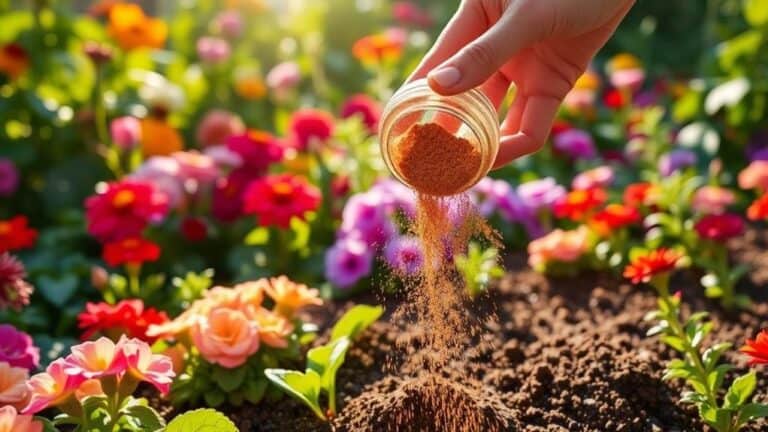
Preparing your soil properly is an essential step for successfully sowing wildflower seeds. Start by clearing the area of weeds and thick grass to reduce competition for your seedlings.
Wildflowers thrive in poor soil, so don’t worry about adding fertilizers. Instead, focus on making the soil crumbly and well-aerated. This helps improve seed germination and soil contact.
Check the sunlight and drainage conditions; wildflowers need well-drained soil and plenty of sunlight. For effective weed control, avoid using highly fertile soil as it can encourage weed growth.
Loosen the soil thoroughly before planting wildflower seeds, especially if you’re planning for spring planting. This preparation guarantees your seeds have the best chance to sprout and grow beautifully.
Seed Sowing Techniques
When it comes to sowing your wildflower seeds, evenly spreading them across the soil is key, and mixing the seeds with sand can help with this.
Make certain to press the seeds into the soil to improve their contact with moisture, which is essential for germination.
Even Seed Distribution
Achieving even seed distribution is essential for a thriving wildflower garden. To make sure your wildflower seeds are spread evenly, mix them with sand or vermiculite in a 1:10 ratio. This helps in uniform scattering.
For better coverage, sow seeds in two directions: north-south and east-west. Small seeds should be lightly pressed into the soil, improving seed-to-soil contact. Leave seeds uncovered to benefit from light, unless you’re dealing with steep or windy areas.
Here’s a quick guide:
- Mix seeds with sand: 1 part seeds to 10 parts sand.
- Sow in two directions: north-south and east-west.
- Press small seeds: Lightly press into the soil.
- Seed coverage rates: Use 1g-4g per square meter.
Happy planting wildflowers!
Optimal Soil Contact
Establishing ideal soil contact is vital for the successful germination of wildflower seeds. You want to make certain the seeds have optimal soil contact to access the moisture and warmth they need to germinate and grow. Pressing the seeds into the soil works better than just raking them. This guarantees seed-to-soil contact, providing stability and moisture retention.
Mixing wildflower seeds with sand (8 parts sand to 1 part seed) helps distribute them evenly and prevents overcrowding. Leave the seeds uncovered in well-prepared soil to allow light, which is critical for most wildflower species. Assure adequate seed coverage without burying them too deeply.
With the right planting time and preparation, your seeds will thrive!
Watering and Moisture
Maintaining your wildflower seeds get consistent moisture is vital for successful germination. After sowing, it’s important to water generously and maintain soil moisture levels.
Water in the morning to minimize evaporation and confirm the seeds get what they need before the day’s heat. Regular watering is particularly important during dry spells, especially in spring, to prevent seed rot and support germination.
Monitoring soil moisture closely helps avoid delays in germination and growth.
Here are four tips to maintain consistent soil moisture:
- Use a sprinkler with a timer to keep watering regular without overdoing it.
- Check soil moisture daily, especially during dry periods.
- Water early in the morning to reduce evaporation.
- Avoid waterlogged soil to prevent seed rot.
Watering Guidelines
[SUBHEADING IMAGE SLOT 11]
When you sow wildflower seeds, it’s crucial to provide consistent moisture for successful germination. Watering should be generous right after sowing to keep the soil hydrated. Monitor soil moisture regularly, especially during dry periods, and provide supplemental watering as needed. For the first 4-6 weeks, make sure seedlings get enough water until they reach 6-8 inches tall.
| Watering Tips | Details |
|---|---|
| Initial Watering | Generous watering after sowing |
| Morning Watering | Helps reduce evaporation |
| Avoid Overwatering | Prevents seed rot and fungal diseases |
Watering in the morning guarantees seedlings have moisture all day. Be careful not to overwater, as it can cause problems like seed rot, especially in poorly drained soils. If you plant in the fall, natural rainfall often reduces the need for supplemental irrigation.
Seed Germination Factors
When you’re sowing wildflower seeds, paying attention to soil temperature, moisture levels, and light exposure can make a big difference.
Aim for soil that’s at least 55°F, and keep it moist but not waterlogged to help your seeds sprout.
Most wildflower seeds need some light, so lightly rake them into the soil or leave them uncovered to catch those rays.
Soil Temperature Impact
Curious about why soil temperature matters for wildflower seed germination?
Soil temperature is essential for seed germination. Wildflower seeds often need ideal temperatures, starting around 55°F (13°C), to sprout properly. When soil is too cool, germination can be delayed, making it important to choose the right planting time.
Here are four key points to keep in mind:
- Ideal Temperatures: Aim for soil temperatures around 55°F (13°C) or warmer for best results.
- Cold Stratification: Fall planting allows winter’s cold to naturally prepare seeds for spring germination.
- Local Climate: Your local climate and microclimates affect soil temperature, so adjust planting times accordingly.
- Monitoring: Regularly check soil temperature to verify conditions are favorable for seed germination.
Understanding these factors boosts your wildflower germination rates!
Moisture Levels Importance
Moisture’s critical role in seed germination can’t be overstated. You need adequate moisture to guarantee seeds sprout properly. Without it, dry conditions can halt germination. Regular watering, especially in hot or dry weather, keeps the soil moist. Soil temperature should be at least 55°F for ideal germination, and moisture helps reach this temperature.
Seeds rely on warmth and consistent hydration to germinate. If moisture is lacking, seeds might rot instead of sprouting. Check soil moisture regularly to keep seeds hydrated without overwatering, which can cause seed decay.
Here’s a quick guide:
| Condition | Action Needed |
|---|---|
| Dry Soil | Increase watering |
| Hot Weather | Water frequently |
| Soil Temp < 55°F | Guarantee adequate moisture |
| Consistent Moisture | Monitor regularly |
| Risk of Overwater | Reduce watering |
Light Exposure Requirements
For wildflower seeds to germinate successfully, light exposure is essential. Guaranteeing your seeds get enough light will make all the difference.
You’ll want to scatter them on the soil surface or lightly rake them in so they’re not buried too deeply.
Here’s a handy list to guide you:
- Surface Scattering: Spread wildflower seeds on the soil surface to let sunlight in.
- Optimal Soil Temperature: Aim for soil temperatures around 55°F or warmer, typical of spring conditions.
- Light Conditions: Guarantee specific light conditions—like full sun or partial shade—depending on the wildflower species.
- Moisture Maintenance: Keep seedlings moist without overwatering to support steady growth.
Maintenance Practices
[SUBHEADING IMAGE SLOT 16]
When it comes to maintaining your wildflower garden, regular attention is key to ensuring vibrant and healthy growth.
Start by monitoring soil moisture. Wildflower seedlings need consistent water, especially during the first few weeks after planting time until they reach 6-8 inches tall.
Avoid using fertilizers, as they can promote weed growth and harm wildflower establishment.
Mulch is your friend; it helps keep soil moist and reduces weeds.
Periodic hand weeding is essential to keep those pesky weeds from competing with your wildflowers.
Be patient, as different wildflower species grow at different rates.
With these simple steps, your wildflower garden will thrive beautifully, rewarding your efforts with a burst of color and life.
Wildlife Protection
To protect your wildflower garden from wildlife, consider employing several effective strategies. Protecting wildflower seeds and youth seedlings from seed predation and other wildlife interactions can be challenging but manageable with the right protective measures.
Here are four steps you can take:
- Cover newly sown wildflower beds with chicken wire: This deters birds and squirrels, protecting the seeds until they germinate.
- Use light organic mulch: This shields seeds from wildlife while retaining soil moisture to help seedlings establish.
- Provide separate areas with bird seed: This supports natural wildlife and reduces seed predation by drawing animals away from your wildflower patch.
- Implement fencing or netting: These protective measures safeguard youth seedlings from deer and rabbits.
Additionally, monitoring wildlife interactions guarantees a balanced ecosystem and supports native pollinators.
Frequently Asked Questions
What Is the Best Month to Plant Wildflower Seeds?
You should plant wildflower seeds in March or April for ideal planting conditions. Consider seasonal weather patterns, local climate variations, and soil types. This timing supports germination and attracts pollinators, but don’t forget necessary maintenance practices.
Can You Just Scatter Wildflower Seeds?
Yes, you can scatter wildflower seeds. Use proper scattering techniques for even distribution. Consider seed types, soil conditions, and climate factors. Lightly rake the soil. This enhances garden aesthetics, benefits wildlife, and simplifies maintenance tips.
Do Wildflowers Grow Back Every Year?
Yes, wildflowers can grow back every year if they’re perennial and given proper care. Focus on wildflower maintenance tips, such as weed management and watering, to guarantee beautiful seasonal wildflower blooms and a thriving, pollinator-friendly garden.
How Do You Prepare the Ground for Wildflower Seeds?
To prepare the ground for wildflower seeds, test the soil first. Choose the right seeds for your site location. Amend the soil if needed, control weeds, guarantee good sunlight exposure, and establish a consistent watering schedule.
Conclusion
You’ve got all the tips you need to sow wildflower seeds successfully. Whether you’re planting in spring or fall, just remember to prepare your soil well and keep it moist. Pay attention to your local climate and USDA zone for the best results. With these steps, you’ll soon enjoy a beautiful, blooming garden. So, get out there and start planting—your wildflowers are waiting to grow! Happy gardening!