What Does The Color Of Your Garden Soil Mean: Unlocking Nature’s Secrets
The color of your garden soil reveals its composition and health. Dark soil indicates rich organic matter, while light soil suggests sandiness.
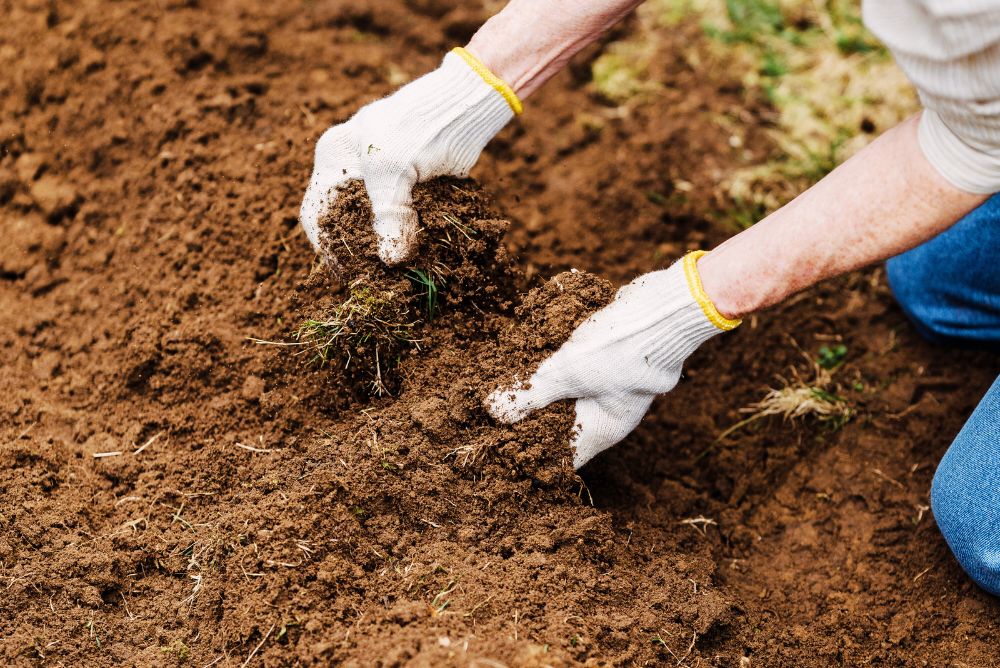
Soil color is a key indicator of its properties and fertility. Dark brown or black soil signifies high organic content, crucial for healthy plant growth. Red or yellow soil often contains iron oxides, which can affect drainage and nutrient availability.
Light-colored soil, typically sandy, may lack nutrients and retain less moisture. Recognizing these colors helps gardeners improve soil quality and choose suitable plants. Understanding soil color can lead to better gardening decisions, ensuring vibrant and productive gardens. By assessing soil color, gardeners can tailor their approach to meet the specific needs of their plants and achieve optimal results.

Credit: www.familyhandyman.com
Introduction To Soil Colors
Soil color can tell a lot about your garden. Soil colors help understand soil health and composition. Different colors indicate different soil properties. Knowing soil color is key to successful gardening.
Importance Of Soil Color
Soil color gives clues about soil fertility and drainage. Dark soils are often rich in organic matter. Light soils might lack nutrients. Red or yellow soils could indicate iron oxides. Blue or gray soils might suggest poor drainage. Understanding soil color helps gardeners make informed decisions.
Basic Color Categories
Soil colors can be grouped into basic categories:
- Black or Dark Brown: High in organic matter and nutrients.
- Light Brown or Yellow: Often sandy and low in nutrients.
- Red: Rich in iron oxides, good for drainage.
- Gray or Blue: Poorly drained, may be waterlogged.
| Soil Color | Characteristics |
|---|---|
| Black or Dark Brown | Rich in organic matter and nutrients. |
| Light Brown or Yellow | Low in nutrients, often sandy. |
| Red | Contains iron oxides, good drainage. |
| Gray or Blue | Poor drainage, may be waterlogged. |
Understanding these categories can help plan garden activities better. Each soil color suggests different needs and care routines. Healthy soil leads to a thriving garden.

Credit: www.tasteofhome.com
Dark Brown And Black Soils
Dark brown and black soils are often a gardener’s delight. These soils indicate rich organic matter. They promise a fertile ground for many plants. Understanding the characteristics of these soils can help you maximize their potential.
Nutrient-rich Indicators
Dark brown and black soils are nutrient-rich. They contain high levels of organic matter. This organic matter includes decomposed plants and animals. It supplies essential nutrients to plants.
The dark color suggests a high carbon content. This carbon helps retain moisture. It also supports beneficial microbial activity. These microbes break down organic matter further. This process releases more nutrients.
Such soils often have a balanced pH level. This balance is crucial for nutrient availability. A balanced pH ensures that plants can absorb nutrients easily.
Ideal Plant Types
Many plants thrive in dark brown and black soils. Here are some examples:
- Vegetables: Tomatoes, carrots, and lettuce grow well.
- Fruits: Strawberries and blueberries flourish.
- Flowers: Roses and sunflowers look vibrant.
- Herbs: Basil and mint have a strong growth.
These plants benefit from the nutrient-rich environment. They grow healthier and produce better yields.
| Plant Type | Examples |
|---|---|
| Vegetables | Tomatoes, Carrots, Lettuce |
| Fruits | Strawberries, Blueberries |
| Flowers | Roses, Sunflowers |
| Herbs | Basil, Mint |
Understanding the nature of your soil helps in gardening. Dark brown and black soils are a boon for many plants. Maximize their potential by choosing the right plants.
Red And Reddish-brown Soils
Red and reddish-brown soils can be captivating. These colors indicate specific soil properties. Understanding them helps improve your garden’s health.
Iron Content
Red soils are rich in iron oxide. This iron gives the soil its distinctive color. The presence of iron indicates good mineral content. Iron is crucial for plant growth.
Drainage Implications
Red soils often have excellent drainage. This means water does not sit long on the surface. Well-drained soils prevent root rot. Plants in these soils usually thrive better.
Here is a quick comparison:
| Soil Color | Iron Content | Drainage |
|---|---|---|
| Red | High | Excellent |
| Reddish-Brown | Moderate | Good |
In summary, red and reddish-brown soils are rich in iron. They also have good drainage properties. This makes them ideal for most plants.
Yellow And Yellowish-brown Soils
Yellow and yellowish-brown soils can tell a lot about your garden. They are rich in specific minerals and can affect plant growth. Understanding these colors helps in managing your soil better.
Oxidation Effects
The yellow color often comes from oxidation. This happens when iron in the soil reacts with oxygen. This process can create iron oxides, which give soil its yellow hue. Yellowish-brown soils also contain iron oxides but with more organic material. This mix changes the soil’s appearance and texture.
Common Plants
Certain plants thrive in yellow and yellowish-brown soils. Here are some common plants:
- Tomatoes: These plants grow well in this type of soil.
- Marigolds: These flowers also do well in yellow soils.
- Carrots: Root vegetables like carrots prefer this soil type.
| Plant Type | Soil Preference |
|---|---|
| Tomatoes | Yellow and Yellowish-Brown Soils |
| Marigolds | Yellow and Yellowish-Brown Soils |
| Carrots | Yellow and Yellowish-Brown Soils |
Understanding the soil color can help in choosing the right plants. This ensures a healthier and more vibrant garden.
Gray And Blue Soils
Have you noticed gray or blue patches in your garden soil? These colors can reveal much about the soil’s condition. Understanding these hues helps you manage your garden better.
Waterlogged Conditions
Gray and blue soils usually indicate waterlogged conditions. These colors appear because of poor drainage and lack of oxygen. When soil stays wet for too long, it lacks oxygen, causing a buildup of iron in its reduced form.
This iron turns the soil gray or blue. Waterlogged soils are common in low-lying areas or spots with heavy clay. These conditions can harm plant roots. Roots need oxygen to breathe and grow.
Plant Adaptations
Plants in gray and blue soils often show adaptations. Some plants develop aerenchyma, a special tissue with air spaces. This tissue helps roots get oxygen even in waterlogged soil.
Other plants might have shallow root systems. They spread their roots near the soil surface, where more oxygen is available. Knowing these adaptations helps you choose the right plants for your garden.
Here is a table showing plants that adapt well to waterlogged conditions:
| Plant | Adaptation |
|---|---|
| Cattails | Aerenchyma tissue |
| Willows | Shallow root systems |
| Iris | Aerenchyma tissue |
Understanding these adaptations can help you maintain a healthy garden. Choose plants that thrive in your soil’s specific conditions.
White And Pale Soils
White and pale soils in your garden may seem unusual. These colors can tell you a lot about the soil’s health. Understanding these colors can help you make better gardening decisions.
Calcium And Salt Levels
White or pale soils often have high levels of calcium. This usually means the soil is very alkaline. Alkaline soils can make it hard for plants to get nutrients.
Pale soils can also mean high levels of salt. Salt can come from irrigation water or nearby roads. Too much salt can harm plants and stop them from growing well.
Suitable Vegetation
Some plants do well in alkaline soils. These include:
- Lavender
- Thyme
- Honeysuckle
Plants that can tolerate salty soils include:
- Barley
- Beetroot
- Spinach
Understanding your soil’s color helps you choose the right plants. This can lead to a healthier garden.
Soil Testing Techniques
Understanding the color of your garden soil can reveal a lot about its health and fertility. Soil testing techniques help you delve deeper into the properties of your soil. This ensures your plants get the nutrients they need to thrive.
Visual Inspection
Start with a visual inspection of your soil. Observe the color and texture. Dark, rich soil usually indicates high organic matter. Light, sandy soil may lack nutrients.
Here’s a quick guide:
- Dark brown or black soil: High in organic matter and nutrients.
- Red or yellow soil: May have high iron content. Could be acidic.
- Gray or white soil: Possible lack of nutrients. Could be alkaline.
Laboratory Analysis
For precise results, conduct a laboratory analysis. Collect soil samples from different garden areas. Ensure you gather soil from the top 6 inches.
Steps to follow:
- Use a clean tool to dig and collect soil.
- Place samples in a clean container.
- Label each sample with its location.
- Send samples to a certified soil testing lab.
The lab will provide a detailed report. This includes pH levels, nutrient content, and recommendations for improvement.
Here’s a sample of what your report might include:
| Parameter | Value | Recommendation |
|---|---|---|
| pH Level | 6.5 | Add lime to raise pH |
| Nitrogen | Low | Add compost or fertilizer |
| Phosphorus | Medium | Add bone meal |
Testing your soil helps you create a better growing environment. It ensures your plants get the right nutrients. Take the time to understand your soil for a thriving garden.
Improving Soil Health
Having healthy soil is crucial for a thriving garden. Soil health affects plant growth, water retention, and nutrient availability. By understanding your soil’s color, you can take steps to improve its health.
Organic Amendments
Organic amendments can enhance soil structure and fertility. Adding compost is a great way to introduce organic matter. Compost improves soil texture, water retention, and nutrient content.
Manure is another excellent organic amendment. It adds essential nutrients like nitrogen, phosphorus, and potassium. Manure also boosts microbial activity in the soil.
Consider using cover crops. These plants are grown specifically to improve soil health. They add organic matter, prevent erosion, and break up compacted soil.
Proper Drainage
Proper drainage is vital for healthy soil. Poor drainage can lead to waterlogged soil, which harms plants.
To improve drainage, consider these methods:
- Use raised beds to elevate soil levels.
- Install drainage tiles or pipes to direct excess water away.
- Add sand or gravel to heavy, clay soils to improve permeability.
Another way to enhance drainage is by creating a slope. A gentle slope directs water away from plant roots.
Regularly check your soil’s moisture levels. Avoid overwatering, as it can lead to poor drainage and root rot.
| Amendment | Benefits |
|---|---|
| Compost | Improves texture, water retention, nutrient content |
| Manure | Adds essential nutrients, boosts microbial activity |
| Cover Crops | Adds organic matter, prevents erosion, breaks up soil |
Conclusion And Final Thoughts
Understanding the color of your garden soil is crucial. It helps gauge soil health and fertility. Different colors indicate various properties and conditions. Knowing these can guide you in soil care practices.
Summarizing Key Points
- Dark brown or black soil: High in organic matter. Great for plant growth.
- Reddish soil: Rich in iron oxides. Well-drained but may need organic matter.
- Yellow soil: Indicates poor drainage. Often found in waterlogged areas.
- Gray soil: Lack of oxygen and poor drainage. Needs aeration and organic matter.
- White or light soil: High in sand or chalk. Lacks nutrients and organic matter.
Future Soil Care
Regular soil testing ensures you know its current state. This helps in making informed decisions. Based on the color and test results, adjust your soil management practices.
Compost and organic matter: Add these regularly. They improve soil structure and fertility. Dark soil benefits from added organic matter too.
Proper drainage: Essential for yellow and gray soils. Create raised beds or install drainage systems.
Mulching: Helps retain moisture and adds nutrients. It benefits all soil types, especially light-colored soils.
Balanced fertilization: Use fertilizers based on soil tests. Avoid over-fertilizing to prevent nutrient imbalances.
Crop rotation: Prevents soil depletion. Different plants use different nutrients. Rotating crops keeps soil healthier.
Cover crops: Plant them during off-seasons. They protect soil and add organic matter.
Credit: www.provenwinners.com
Frequently Asked Questions
What Does Dark Soil Indicate?
Dark soil usually means high organic matter and nutrients. It’s often fertile and good for plant growth.
Why Is My Garden Soil Red?
Red soil often contains iron oxide. It can indicate good drainage but may need organic matter for fertility.
How To Improve Yellow Soil?
Yellow soil may lack nutrients and organic matter. Adding compost or manure can enhance its fertility and texture.
Conclusion
Understanding your garden soil color reveals its health and nutrient levels. Rich, dark soil indicates fertility. Light-colored soil might need amendments. Regularly test and adjust your soil for optimal plant growth. Happy gardening starts with knowing your soil’s story. Keep your garden vibrant and thriving by paying attention to these soil color clues.