How To Grow And Care For An Agave Plant: Expert Tips
To grow and care for an Agave plant, provide ample sunlight and well-draining soil. Water sparingly and avoid overwatering.
Agave plants are hardy succulents known for their striking appearance and low-maintenance needs. Native to arid regions, these plants thrive in bright sunlight and require minimal water. Well-draining soil is crucial to prevent root rot, a common issue with overwatering.
Agaves are ideal for xeriscaping and can be grown both indoors and outdoors. Their unique rosette shape and spiky leaves make them a popular choice for gardeners seeking an eye-catching, drought-tolerant plant. Proper care ensures your Agave remains healthy and vibrant, adding a touch of desert beauty to any garden or home.
Choosing The Right Agave
Selecting the perfect agave plant is crucial for its growth. Agave plants vary in size, color, and climate requirements. Knowing the different types and their needs helps ensure a thriving plant.
Different Varieties
Agave plants come in many varieties. Some popular types include:
- Agave Americana: Known as the century plant, it grows large and has blue-green leaves.
- Agave Victoriae-Reginae: This variety has compact, white-edged leaves.
- Agave Parryi: Recognized for its rosette form and grey leaves.
Each variety has unique features. Choose one that fits your space and needs.
Best Climate Conditions
Agave plants thrive in warm and dry climates. They prefer full sun and well-drained soil. Below is a table summarizing ideal conditions for agave plants:
| Climate Condition | Requirement |
|---|---|
| Temperature | 70-90°F (21-32°C) |
| Sunlight | Full Sun |
| Soil | Well-drained, sandy soil |
| Watering | Low, drought-tolerant |
Ensure these conditions for a healthy agave plant.
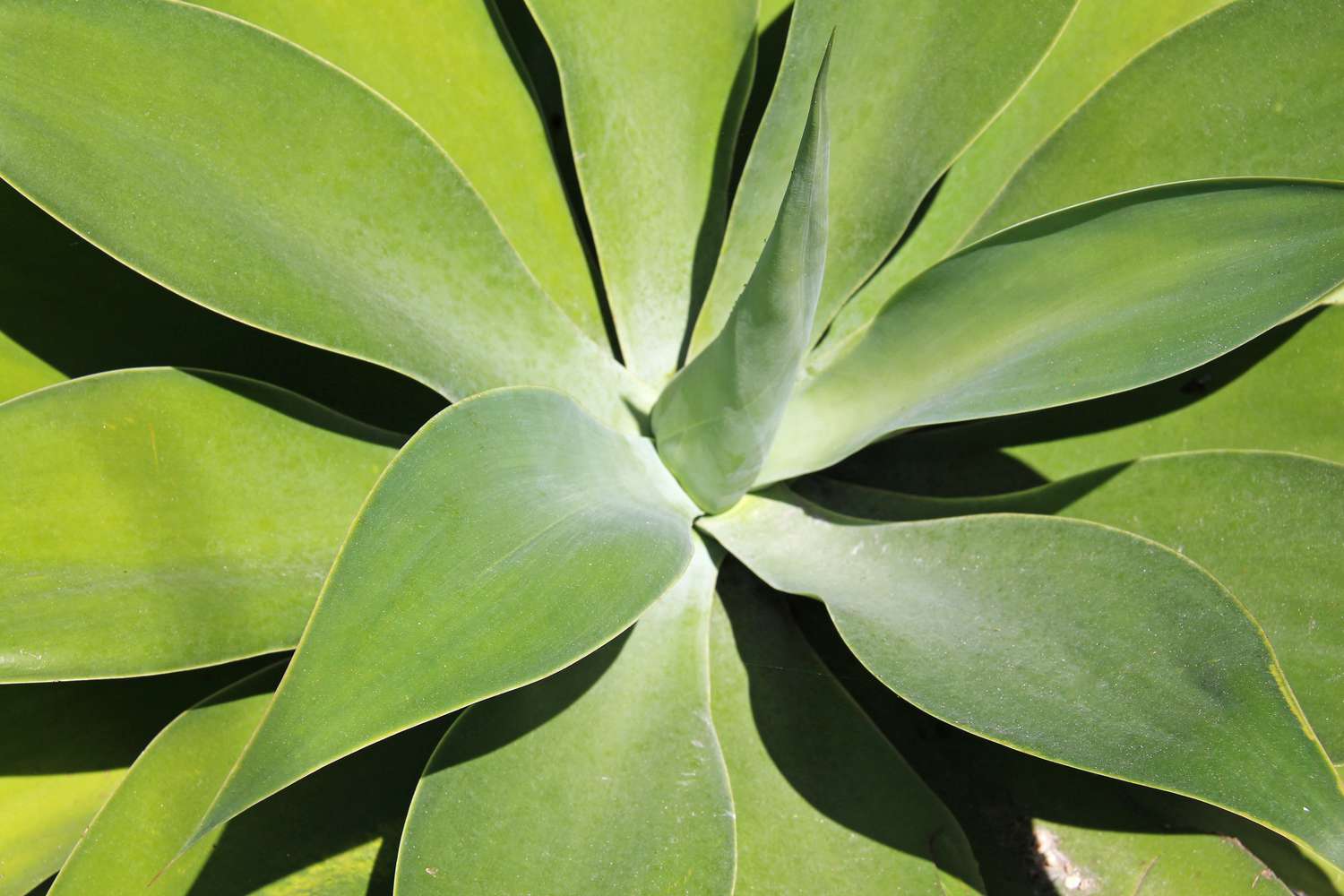
:max_bytes(150000):strip_icc()/agave-4-4edb9dd7db334fa59ff1ee445d7ed37c.jpg)
Credit: www.thespruce.com
Planting Agave
Agave plants are stunning additions to gardens. Their low-maintenance nature makes them perfect for new gardeners. Follow these steps to ensure your agave thrives.
Soil Preparation
Agave plants need well-draining soil. They dislike soggy roots. Prepare the soil by mixing sand, gravel, and garden soil.
- Use a mix of 50% garden soil, 25% sand, and 25% gravel.
- Ensure the soil pH is neutral to slightly acidic.
- Check for good drainage by watering the soil and observing how quickly it dries.
Planting Techniques
Planting agave properly ensures healthy growth. Follow these steps:
- Dig a hole twice the width of the root ball.
- Place the agave in the hole. Ensure the root ball is level with the soil surface.
- Backfill with the prepared soil mixture.
- Water the plant lightly to settle the soil.
- Apply a thin layer of mulch around the base. Keep it away from the plant stem.
Here is a quick reference table for planting agave:
| Step | Details |
|---|---|
| Hole Size | Twice the width of the root ball |
| Soil Mixture | 50% garden soil, 25% sand, 25% gravel |
| Watering | Lightly after planting |
| Mulching | Thin layer around the base |
Following these steps will help your agave plant grow strong and healthy.
Watering Needs
Agave plants are known for their low-maintenance nature. One key aspect of caring for an agave plant is understanding its watering needs. Proper watering ensures healthy growth and prevents common issues.
Frequency Of Watering
Agave plants thrive in dry environments. They do not need much water. Overwatering can cause root rot. Watering needs depend on the season.
- Spring and Summer: Water once every two weeks.
- Fall: Water once every three to four weeks.
- Winter: Water once every month or less.
Always let the soil dry out between watering sessions. This mimics their natural habitat.
Signs Of Overwatering
Overwatering is a common mistake. It can harm your agave plant. Look for these signs:
- Yellowing Leaves: Leaves may turn yellow and soft.
- Wilting: Plant appears weak and droopy.
- Root Rot: Roots look dark and mushy.
If you see these signs, reduce watering. Allow the soil to dry out. Ensure the pot has good drainage. This helps prevent waterlogging.
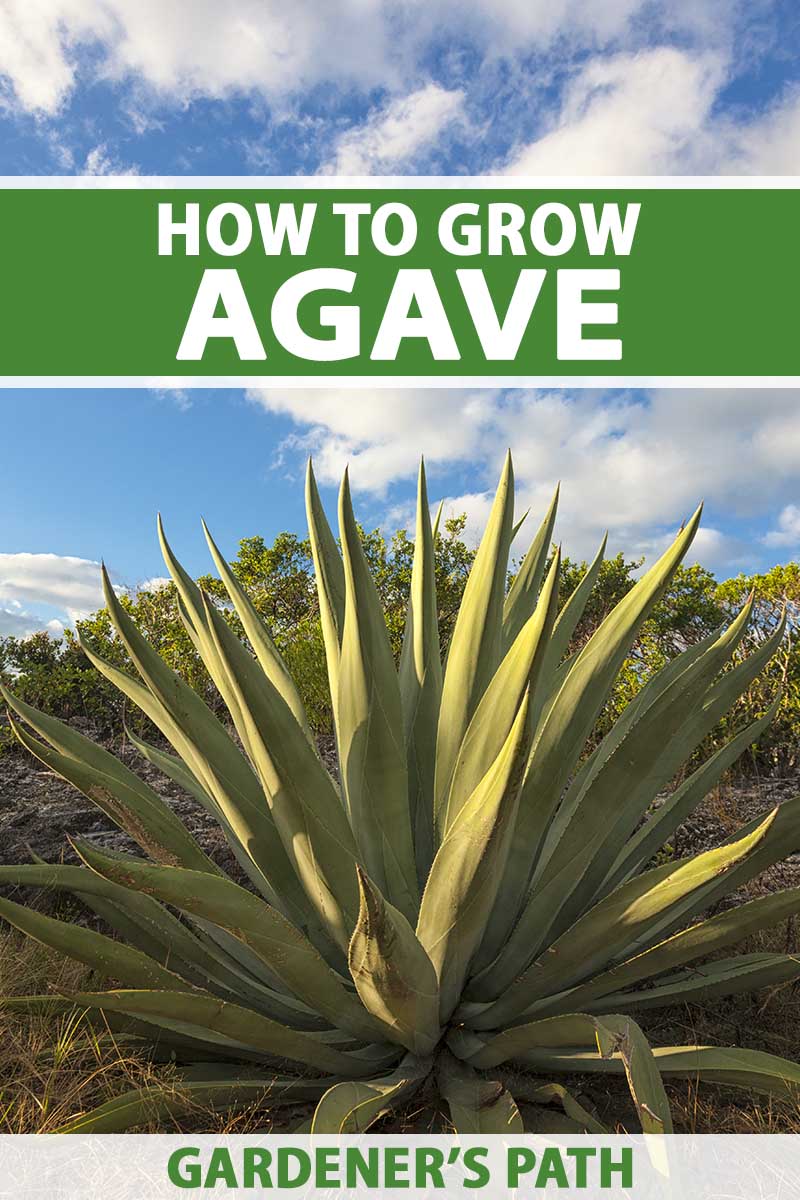
Credit: gardenerspath.com
Sunlight Requirements
Growing an agave plant successfully hinges on providing the right sunlight. Proper sunlight is essential for the healthy growth and vibrant color of agave plants. This section will guide you on the ideal sunlight conditions for your agave.
Optimal Sun Exposure
Agave plants thrive in full sunlight. They need at least six hours of direct sun each day. Place your agave in a location where it can bask in the sun’s rays. Sunny spots in your yard or a south-facing window are perfect.
If you live in a very hot climate, some afternoon shade can help. This prevents sunburn on the leaves. But generally, more sun means a healthier plant.
Dealing With Shade
Agave plants can tolerate some shade but prefer full sun. In shaded areas, growth may slow down. Leaves might also become less vibrant. If your agave is in a shaded spot, try to move it to a sunnier location.
If moving is not an option, you can use reflective surfaces. Mirrors or white walls can help direct more light to your agave. This can help mimic sunnier conditions.
Remember, too much shade can lead to root rot. Proper sunlight ensures your agave stays healthy and strong.
Fertilizing Agave
Agave plants are hardy and low-maintenance. Yet, they benefit from proper fertilization. Fertilizing ensures robust growth and vibrant foliage. Let’s explore the best practices for fertilizing your agave.
Types Of Fertilizer
Choosing the right fertilizer is key. Agave plants prefer a balanced, slow-release fertilizer. Look for a formula with equal parts of nitrogen, phosphorus, and potassium. A 10-10-10 fertilizer works well.
Organic fertilizers are also suitable. They improve soil quality and provide essential nutrients. Compost and well-rotted manure are great choices. You can also use worm castings.
Another option is a cactus or succulent fertilizer. These are specifically designed for desert plants. They provide the right mix of nutrients for agave.
| Fertilizer Type | Benefits |
|---|---|
| Balanced, Slow-Release | Provides steady nutrients over time |
| Organic (Compost, Manure) | Improves soil quality |
| Cactus/Succulent Fertilizer | Specially formulated for desert plants |
Application Frequency
Agave plants do not need frequent fertilization. Over-fertilizing can harm the plant. Fertilize once during the growing season, typically in spring.
For a balanced, slow-release fertilizer, follow the package instructions. Usually, one application in spring is sufficient. Organic fertilizers may require more frequent applications.
Compost or manure can be applied twice a year. Apply once in spring and once in summer. For cactus or succulent fertilizers, follow the product guidelines. These are often applied less frequently.
- Balanced, Slow-Release: Once in spring
- Organic (Compost, Manure): Twice a year (spring and summer)
- Cactus/Succulent: Follow product instructions
Remember, less is more with agave plants. Over-fertilizing can lead to root burn and other issues. Always use fertilizers sparingly and monitor your plant’s health.
Pruning And Maintenance
Caring for an agave plant involves regular pruning and maintenance. This ensures your plant remains healthy and vibrant. Proper care includes removing dead leaves and preventing pests. These steps help your agave thrive.
Removing Dead Leaves
Dead leaves can harm your agave plant. They attract pests and diseases. Remove dead leaves with sharp, sterilized pruning shears.
- Wear gloves to protect your hands.
- Trim leaves close to the plant base.
- Dispose of the dead leaves properly.
Check your agave plant monthly for dead leaves. This keeps the plant looking neat and healthy.
Preventing Pests
Pests can damage your agave plant. Common pests include mealybugs and scale insects. Take steps to prevent these pests.
- Inspect your plant regularly for signs of pests.
- Use a mild insecticidal soap to treat infestations.
- Ensure good air circulation around the plant.
Keep your agave plant clean and free from debris. This helps in preventing pest problems.
Pruning and maintenance are key to a healthy agave plant. Follow these steps to enjoy a thriving plant.
Common Problems
Caring for an Agave plant can be easy. But like any plant, it has challenges. Here, we focus on the common problems you may face.
Pest Infestations
Agave plants can attract pests. The most common are mealybugs and scale insects. These pests feed on the plant’s sap. This weakens the plant.
- Mealybugs: Look for white, cotton-like spots on leaves.
- Scale insects: These are tiny, oval, and brown pests.
To remove pests, use a cotton swab dipped in alcohol. Wipe the affected areas gently. You can also use insecticidal soap. Regularly check your plant for signs of pests.
Disease Management
Diseases can also affect Agave plants. The most common disease is root rot. This happens due to overwatering. The roots become mushy and brown.
- Ensure good drainage to prevent root rot.
- Water the plant only when the soil is dry.
Another common disease is anthracnose. This causes brown spots on leaves. To manage anthracnose, remove affected leaves. Use a fungicide if needed.
| Problem | Sign | Solution |
|---|---|---|
| Mealybugs | White, cotton-like spots | Use alcohol-dipped cotton swab |
| Scale insects | Oval, brown pests | Insecticidal soap |
| Root rot | Mushy, brown roots | Ensure good drainage |
| Anthracnose | Brown spots on leaves | Remove affected leaves |
Propagation Methods
Agave plants are beautiful and hardy. They add a unique touch to your garden. There are two main ways to propagate Agave plants: growing from seeds and using offshoots. Each method has its own benefits. Let’s dive into the details.
Growing From Seeds
Growing Agave from seeds is a rewarding process. First, gather fresh seeds from a mature plant. You can also buy seeds from a trusted supplier. Follow these steps to grow Agave from seeds:
- Prepare the Soil: Use a well-draining mix with sand and compost.
- Plant the Seeds: Sow the seeds on the soil surface. Cover them lightly with sand.
- Water Gently: Moisten the soil with a spray bottle. Do not overwater.
- Provide Light: Place the pot in a sunny spot. Ensure the temperature is between 70-80°F (21-27°C).
- Wait for Germination: Seeds will sprout in 3-4 weeks. Keep the soil moist during this period.
Patience is key. Seedlings grow slowly. Transplant them to a larger pot when they have a few leaves.
Using Offshoots
Agave plants produce offshoots, also known as pups. These pups are mini replicas of the parent plant. Propagating using offshoots is easier and quicker than using seeds. Follow these steps to use offshoots:
- Identify Healthy Offshoots: Look for pups with several leaves and a small root system.
- Separate the Offshoot: Gently dig around the base of the pup. Use a clean knife to cut it from the parent plant.
- Prepare the Offshoot: Let the pup dry for a day. This helps prevent rot.
- Plant the Offshoot: Place the pup in well-draining soil. Water it lightly.
- Care for the Offshoot: Keep the soil moist but not wet. Provide bright, indirect sunlight.
The offshoot will establish roots in a few weeks. You can then treat it like a mature Agave plant.
Seasonal Care Tips
Growing an agave plant can be a rewarding experience. Proper care during different seasons ensures your plant thrives. Below, we provide essential tips for maintaining your agave plant throughout the year.
Winterizing Agave
Agave plants need special attention during winter months. Follow these tips to keep your agave healthy:
- Protect from Frost: Cover your agave with a breathable fabric.
- Watering: Reduce watering to prevent root rot.
- Location: Move potted agaves indoors or to a sheltered area.
Winter protection ensures your agave stays strong and healthy.
Summer Care
Summer is the growing season for agave plants. They require more care and attention:
- Sunlight: Place your agave in full sunlight.
- Watering: Water deeply but allow the soil to dry out between watering.
- Soil: Use well-draining soil to prevent waterlogging.
Proper summer care encourages strong growth and vibrant leaves.
| Task | Winter | Summer |
|---|---|---|
| Watering | Reduce | Deep but infrequent |
| Sunlight | Indirect light | Full sunlight |
| Location | Indoors or sheltered | Outdoor or sunny spot |
Seasonal care is crucial for the health of your agave plant.

Credit: www.gardenersworld.com
Frequently Asked Questions
How Often Should I Water An Agave Plant?
Water agave plants sparingly. Once every two weeks is sufficient during the growing season.
What Type Of Soil Is Best For Agave?
Agave plants thrive in well-draining soil. Use a cactus or succulent mix for optimal growth.
How Much Sunlight Does An Agave Need?
Agave plants need full sunlight. They thrive in bright, direct sunlight for at least six hours a day.
Conclusion
Caring for an agave plant is simple and rewarding. Follow these tips to ensure healthy growth. Provide adequate sunlight and well-drained soil. Water sparingly and avoid overwatering. With proper care, your agave plant will thrive and add beauty to your garden.
Start your agave journey today and enjoy its striking presence.