Why The Leaves On Your Pepper Plants Are Turning Yellow: Expert Tips
Yellow leaves on pepper plants can indicate nutrient deficiencies or improper watering. Address these issues to restore plant health.
Pepper plants thrive in well-balanced conditions. Yellowing leaves often signal underlying problems that need attention. Nutrient deficiencies, particularly nitrogen, magnesium, or iron, can cause yellowing. Overwatering or underwatering also disrupts the plant’s nutrient uptake, leading to discoloration. Pests or diseases may contribute to the problem by damaging the plant’s ability to absorb nutrients.
To keep your pepper plants healthy, ensure they receive proper watering, adequate sunlight, and regular feeding with a balanced fertilizer. Regularly inspect for pests and treat promptly. By maintaining optimal growing conditions, your pepper plants can flourish with vibrant green leaves.
Common Causes
Are the leaves on your pepper plants turning yellow? This can be alarming. Understanding the common causes will help you fix the problem. Let’s explore the most frequent issues that lead to yellow leaves.
Nutrient Deficiency
Nutrient deficiency is a leading cause of yellow leaves. Pepper plants need specific nutrients. Lack of these can cause issues.
- Nitrogen Deficiency: Yellowing starts at the tips and edges. This nutrient helps in leaf growth.
- Iron Deficiency: New leaves turn yellow but veins remain green. Iron helps in chlorophyll production.
- Magnesium Deficiency: Older leaves turn yellow between veins. Magnesium is crucial for photosynthesis.
Using a balanced fertilizer can solve these deficiencies. Always follow the instructions on the fertilizer package.
Watering Issues
Improper watering can also cause yellow leaves. Both overwatering and underwatering stress pepper plants.
- Overwatering: Roots can’t breathe. Leaves turn yellow and drop off. Ensure the soil drains well.
- Underwatering: Leaves wilt, curl, and turn yellow. Water the plants regularly but don’t soak the soil.
Consistent watering practices are essential for healthy pepper plants. Check the soil moisture before watering.
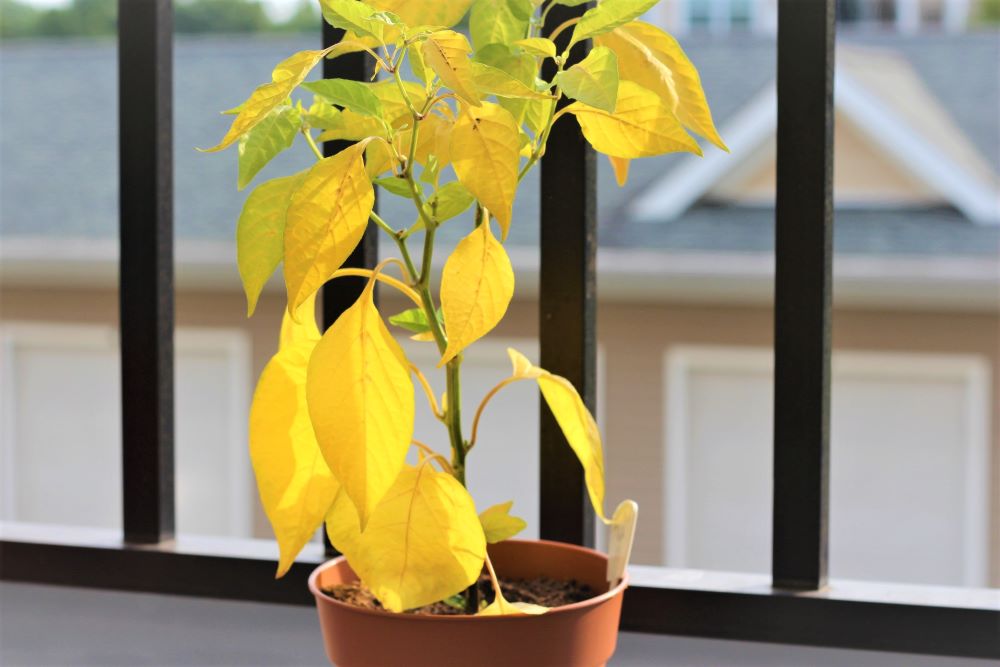
Credit: peppergeek.com
Soil Health
Soil health is crucial for pepper plants. Yellow leaves often signal poor soil health. Ensuring your soil is in top condition can prevent many problems.
Ph Levels
The pH level of your soil affects nutrient availability. Pepper plants prefer slightly acidic soil. The ideal pH range is between 6.0 and 6.8.
You can test the soil using a pH meter. Adjust the pH if necessary. Use lime to raise the pH. Use sulfur to lower it.
Soil Composition
Soil composition impacts water retention and root health. Pepper plants need well-draining soil. Heavy clay soil can suffocate the roots.
Use a mix of sand, loam, and organic matter. This mix ensures good drainage and nutrient availability.
| Soil Component | Benefit |
|---|---|
| Sand | Improves drainage |
| Loam | Provides nutrients |
| Organic Matter | Enhances soil structure |
Regularly check your soil composition. Add compost to boost organic content. Healthy soil leads to healthy pepper plants.
Pest Infestation
If your pepper plants have yellow leaves, pests might be the cause. Pests love pepper plants and can harm them quickly. They feed on the leaves and sap, causing yellowing. Identifying the pests and treating them can save your plants.
Common Pests
Some pests commonly attack pepper plants. Here are a few:
- Aphids: Small, green or black insects that suck plant sap.
- Spider Mites: Tiny, red or yellow, and create webbing on leaves.
- Whiteflies: Small, white insects that fly away when disturbed.
- Thrips: Tiny, slender insects that scrape leaf surfaces.
Natural Remedies
Using natural remedies is a safe way to control pests. Here are some effective methods:
| Remedy | Description |
|---|---|
| Neem Oil | Spray neem oil on leaves to repel pests. |
| Soap Spray | Mix dish soap with water and spray on affected areas. |
| Garlic Spray | Blend garlic with water and spray it on the leaves. |
| Ladybugs | Release ladybugs to eat the harmful pests. |
These remedies are safe for plants and the environment. Always monitor your plants after treatment. Repeat applications if necessary to ensure pests are gone.

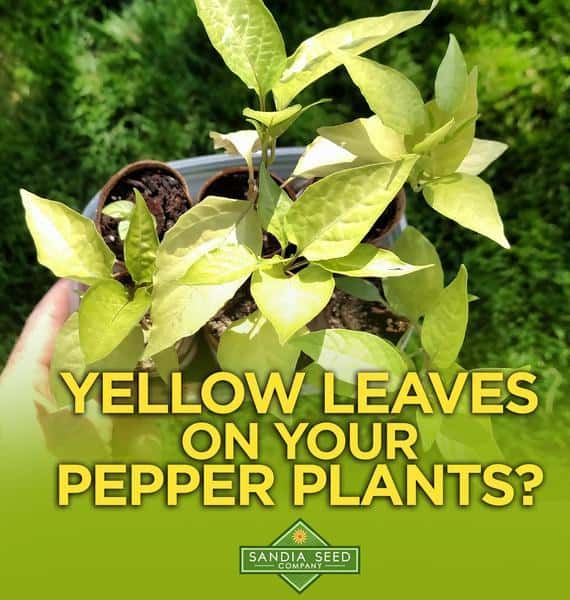
Credit: www.sandiaseed.com
Disease Management
Yellow leaves on pepper plants can signal disease. Proper disease management is crucial. Identifying the specific disease helps save your plants.
Fungal Infections
Fungal infections often cause yellow leaves. Common fungal diseases include:
- Powdery Mildew: White powdery spots on leaves and stems.
- Downy Mildew: Yellow spots on upper leaf surfaces and gray mold underneath.
- Verticillium Wilt: Yellowing starts from the leaf edges and moves inward.
Treat fungal infections with appropriate fungicides. Ensure good air circulation. Water plants at the base to avoid wet leaves.
Bacterial Diseases
Bacterial diseases can also cause yellow leaves. Common bacterial infections include:
- Bacterial Spot: Small yellow spots that turn brown and merge.
- Bacterial Blight: Water-soaked lesions on leaves and stems.
- Bacterial Wilt: Sudden wilting and yellowing of leaves.
Use copper-based bactericides for bacterial infections. Remove and destroy infected plant parts. Rotate crops to prevent future infections.
Environmental Factors
Environmental factors play a crucial role in the health of your pepper plants. If your pepper plant leaves are turning yellow, examining environmental conditions is essential. Let’s explore key factors like temperature and light exposure.
Temperature
Pepper plants thrive in specific temperature ranges. They prefer temperatures between 70°F and 85°F during the day. Night temperatures should stay between 60°F and 70°F.
If temperatures fall below 55°F or rise above 95°F, leaves may turn yellow. Extreme temperatures stress the plant, causing nutrient absorption issues. Ensure your plants are in a stable, suitable environment.
Light Exposure
Proper light exposure is essential for healthy pepper plants. They need at least 6-8 hours of sunlight each day. Insufficient light can lead to yellowing leaves and stunted growth.
Ensure your plants get enough natural light. If growing indoors, consider using grow lights. Position them about 2-4 inches above the plants. This ensures they receive adequate light for photosynthesis.
| Factor | Optimal Range | Effect of Deviation |
|---|---|---|
| Temperature (Day) | 70°F – 85°F | Yellow leaves if too hot or too cold |
| Temperature (Night) | 60°F – 70°F | Stress and yellow leaves if outside range |
| Light Exposure | 6-8 hours/day | Yellow leaves if insufficient light |

Credit: m.youtube.com
Proper Watering Techniques
Yellow leaves on pepper plants can be alarming. One key factor is proper watering techniques. Let’s dive into the frequency and amount of water your pepper plants need.
Frequency
Pepper plants need a regular watering schedule. Water them every 2-3 days. Adjust based on weather and soil moisture. During hot days, water daily. Over-watering can cause root rot and yellow leaves.
Amount
Proper water amount is crucial. Water deeply but infrequently. Ensure the soil is moist 6 inches deep. Use a moisture meter for accuracy. Too much water leads to poor drainage and yellow leaves.
| Watering Frequency | Water Amount |
|---|---|
| Every 2-3 days | Moist soil 6 inches deep |
| Daily in hot weather | Use moisture meter |
- Watering schedule: Regular, adjust for weather.
- Moisture depth: 6 inches deep.
- Avoid over-watering: Prevents root rot.
- Tools: Moisture meter.
Nutrient Solutions
Are the leaves on your pepper plants turning yellow? It might be a nutrient problem. Plants need the right nutrients to stay healthy. Let’s explore some solutions to this issue. We will look at both fertilizers and organic options to help your plants thrive.
Fertilizers
Fertilizers can provide essential nutrients quickly. They help the plant grow strong and green. Here are some key points to consider:
- Nitrogen: Helps in leaf growth. Yellow leaves may indicate a lack.
- Phosphorus: Supports root growth and flower production.
- Potassium: Aids in overall plant health and disease resistance.
Consider using a balanced fertilizer. Look for a 10-10-10 or 20-20-20 mix. These numbers represent the ratio of nitrogen, phosphorus, and potassium. Follow the instructions on the package for best results.
Organic Options
Organic options are natural and safe for the environment. They can also be very effective in providing necessary nutrients. Here are some popular organic choices:
- Compost: Rich in nutrients and improves soil structure.
- Fish Emulsion: High in nitrogen, great for leafy growth.
- Bone Meal: Provides phosphorus for strong roots.
- Wood Ash: Adds potassium and neutralizes acidic soil.
Using organic options can help your pepper plants grow better without chemicals. You can combine different organic materials to create a nutrient-rich environment for your plants.
Ensure you monitor your plants regularly. Check for yellowing leaves and other signs of nutrient deficiency. Addressing these issues early will help your pepper plants stay healthy and productive.
Preventive Measures
Yellowing leaves on pepper plants can be a sign of trouble. Implementing preventive measures can save your plants. With regular inspections and healthy practices, you can maintain vibrant, green foliage.
Regular Inspections
Regular inspections help catch issues early. Inspect your pepper plants weekly. Look for yellow leaves, pests, or signs of disease. Early detection prevents major problems.
Check the soil moisture levels. Overwatering or underwatering can cause yellow leaves. Use a moisture meter to ensure proper hydration.
Examine the leaves closely. Look for tiny insects like aphids or mites. These pests can suck sap and cause yellowing.
Healthy Practices
Following healthy practices keeps your pepper plants strong. Use well-draining soil to avoid waterlogging. Water the plants deeply, but not frequently. Ensure they get 6-8 hours of sunlight daily.
Fertilize your pepper plants with a balanced fertilizer. Too much or too little nutrients can cause yellow leaves. Follow the recommended dosage on the fertilizer package.
Practice crop rotation to prevent soil-borne diseases. Avoid planting peppers in the same spot every year. Rotate with other crops to maintain soil health.
Prune your pepper plants to improve air circulation. Remove any dead or yellow leaves. This reduces the risk of fungal infections.
| Preventive Measure | Action |
|---|---|
| Regular Inspections | Check for pests, moisture, and yellow leaves weekly. |
| Healthy Soil | Use well-draining soil and avoid waterlogging. |
| Proper Watering | Water deeply but not frequently. |
| Sunlight Exposure | Ensure 6-8 hours of sunlight daily. |
| Balanced Fertilization | Use balanced fertilizer according to package instructions. |
| Crop Rotation | Rotate crops to prevent soil-borne diseases. |
| Pruning | Remove dead or yellow leaves to improve air circulation. |
Frequently Asked Questions
Why Are My Pepper Plant Leaves Yellowing?
Yellow leaves often indicate nutrient deficiencies, overwatering, or pests. Check soil moisture and inspect for insects.
Can Overwatering Cause Yellow Leaves On Peppers?
Yes, overwatering can lead to root rot, causing leaves to yellow. Ensure proper drainage and let soil dry between waterings.
How Can I Fix Yellow Leaves On Pepper Plants?
To fix yellow leaves, adjust watering, check for pests, and fertilize with balanced nutrients. Healthy soil promotes green growth.
Conclusion
Yellow leaves on pepper plants can signal various issues. Addressing watering, light, and nutrient needs can help. Regularly check for pests and diseases. Healthy plants produce better yields. Implementing these tips ensures vibrant, thriving pepper plants. Happy gardening!