Why When And How To Cut Back Amaryllis Leaves: Expert Tips
Cut back amaryllis leaves when they start yellowing and fading. Use clean, sharp scissors to prevent damage.
Amaryllis are popular for their vibrant blooms. Proper leaf maintenance ensures healthy growth and future flowering. Cutting back leaves at the right time helps the plant conserve energy. Yellowing leaves indicate the plant is entering dormancy. This is the ideal time to trim them.
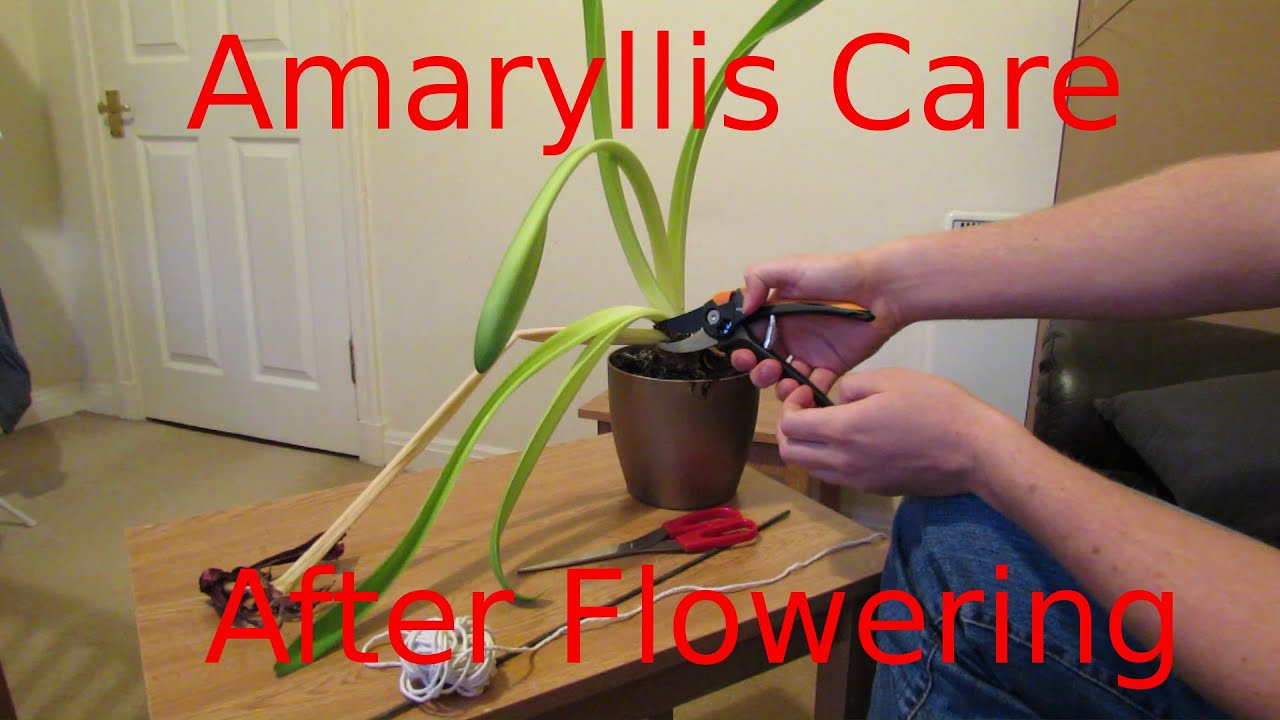
Use clean, sharp scissors to make precise cuts near the base. Avoid damaging the bulb during this process. Regular pruning keeps the plant tidy and encourages robust growth. Proper care ensures beautiful blooms in the next growing season. This practice is essential for maintaining the health and aesthetics of your amaryllis.
Credit: www.youtube.com
Importance Of Amaryllis Leaves
Amaryllis leaves are crucial for the plant’s overall health and growth. They play multiple roles that keep the plant vibrant and blooming.
Role In Plant Health
Amaryllis leaves are essential for the plant’s well-being. They help the plant absorb sunlight and nutrients from the soil.
Healthy leaves indicate a strong plant. Weak or yellow leaves may suggest a problem.
Leaves also store energy, which is vital for flower production.
Photosynthesis Process
The leaves are the main site for photosynthesis. This process converts sunlight into energy.
Chlorophyll in the leaves captures sunlight. This helps produce food for the plant.
Without healthy leaves, photosynthesis slows down. This affects the plant’s growth and bloom.
| Function | Importance |
|---|---|
| Sunlight Absorption | Crucial for energy production |
| Nutrient Storage | Supports flower development |
| Photosynthesis | Creates food for growth |
Ideal Timing For Pruning
Knowing the ideal timing for pruning your amaryllis leaves is crucial. Proper pruning ensures healthy growth and vibrant blooms. By understanding seasonal cues and plant signals, you can maintain a thriving amaryllis plant.
Seasonal Considerations
Pruning amaryllis leaves requires attention to seasonal changes. The best time to cut back leaves is after the plant has finished blooming. Typically, this period occurs in late spring or early summer.
During this time, the plant enters a natural rest phase. Cutting leaves during this phase helps conserve energy. The plant can then focus on bulb nourishment and future blooms.
Signs Your Plant Is Ready
Look for specific signs to determine if your amaryllis plant is ready for pruning. Here are some indicators:
- Leaves turning yellow or brown
- Leaf tips becoming dry and brittle
- Flower stalks have completely died back
These signs indicate that the leaves have completed their job. Once you see these changes, it’s time to prune.
| Sign | Description |
|---|---|
| Yellow or Brown Leaves | Indicates the leaves are no longer photosynthesizing effectively |
| Dry and Brittle Tips | Shows the leaves are at the end of their lifecycle |
| Dead Flower Stalks | Confirms the blooming phase is over |
Pruning at the right time ensures your amaryllis remains healthy. It encourages robust growth for the next blooming cycle.
Tools You Will Need
To successfully cut back amaryllis leaves, having the right tools is essential. Using the correct tools makes the process easier and prevents damage to the plant. Below, we break down the necessary tools and safety precautions for this task.
Essential Gardening Tools
Before you start, gather these essential gardening tools. This ensures a smooth process and keeps your amaryllis healthy.
- Pruning Shears: Use sharp pruning shears for a clean cut.
- Gardening Gloves: Protect your hands with sturdy gloves.
- Disinfectant: Clean your tools before and after use.
- Rake: Use a small rake to clear away debris.
Safety Precautions
Safety is very important when cutting back amaryllis leaves. Follow these steps to stay safe.
- Wear Protective Gear: Always wear gloves to avoid cuts and scratches.
- Disinfect Tools: Prevent the spread of diseases by disinfecting tools.
- Handle Tools Carefully: Be cautious when using sharp tools to avoid injury.
By following these guidelines, you ensure a healthy and thriving amaryllis. Happy gardening!
Step-by-step Cutting Guide
Cutting back amaryllis leaves helps promote healthy growth. Follow this step-by-step guide to ensure you do it correctly.
Preparation Steps
Before you start cutting, gather the necessary tools. You will need:
- Sharp pruning shears
- Gloves
- Disinfectant
Disinfect your pruning shears to avoid spreading diseases. Wear gloves to protect your hands.
Pruning Techniques
Follow these techniques to cut back your amaryllis leaves:
- Identify the leaves that are yellow or brown.
- Cut at the base of each affected leaf.
- Ensure you do not cut the healthy green leaves.
- After cutting, dispose of the cut leaves properly.
Prune your amaryllis leaves regularly for optimal health. This helps the plant focus on blooming.
Post-pruning Care
After cutting back the leaves of your amaryllis, proper care is essential. This ensures the plant remains healthy and blooms beautifully in the next season. Below are some guidelines to help you provide the best post-pruning care for your amaryllis.
Watering Guidelines
Watering your amaryllis correctly is crucial for its recovery. Follow these simple steps:
- Water Sparingly: After pruning, reduce the watering frequency. Allow the soil to dry out between waterings.
- Check Soil Moisture: Insert your finger about an inch into the soil. Water only if it feels dry.
- Use Room Temperature Water: Cold water can shock the roots.
Fertilization Tips
Fertilizing your amaryllis properly will help it gain strength. Here are some tips:
- Choose the Right Fertilizer: Use a balanced liquid fertilizer. A mix like 10-10-10 is ideal.
- Frequency: Fertilize once a month during the growing season.
- Application: Dilute the fertilizer according to the package instructions. Apply it to the soil, not the leaves.
By following these simple steps, your amaryllis will thrive and bloom again.

Credit: www.reddit.com
Common Mistakes To Avoid
Cutting back amaryllis leaves can be tricky. Some mistakes can harm your plant. Let’s explore common mistakes to avoid.
Over-pruning Issues
Over-pruning can damage your amaryllis. Removing too many leaves weakens the plant. The leaves collect sunlight for energy. Without enough leaves, the plant struggles. Always leave some healthy leaves. Never cut more than one-third of the leaves.
| Number of Leaves | Maximum Leaves to Cut |
|---|---|
| 6 | 2 |
| 9 | 3 |
| 12 | 4 |
Improper Tool Usage
Using the wrong tools can hurt your plant. Always use clean, sharp tools. Dull tools crush the leaves. Dirty tools spread diseases. Wash your tools before use. Sharp tools make clean cuts.
- Sharp Scissors
- Pruning Shears
- Cleaning Alcohol
Keep your tools in good condition. Store them properly. Replace dull blades promptly.
Benefits Of Regular Pruning
Regular pruning of amaryllis leaves offers numerous benefits. It helps the plant grow stronger and healthier. Pruning also keeps the plant looking neat and beautiful. Let’s explore the advantages in detail.
Encouraging New Growth
Pruning amaryllis leaves encourages new growth. When you cut back old leaves, the plant can focus its energy on new leaves and flowers. This means a more vibrant and lush plant.
- Removes old and dying leaves.
- Directs energy to new growth.
- Promotes healthier foliage.
Preventing Diseases
Regular pruning helps prevent diseases. Removing dead or damaged leaves reduces the risk of infections. This keeps the plant healthy and thriving.
| Benefit | Explanation |
|---|---|
| Reduces disease risk | Removes potential infection sources |
| Improves air circulation | Prevents fungal growth |
By keeping the plant clean and free from debris, you ensure it remains healthy. This leads to a longer lifespan and more beautiful blooms.
Expert Tips And Tricks
Amaryllis plants are popular for their stunning, vibrant blooms. To keep your amaryllis healthy, cutting back the leaves is essential. This guide provides expert tips and tricks.
Maximizing Bloom Potential
To maximize bloom potential, timing is crucial. Cut back leaves when they start yellowing. This usually happens in late summer. Healthy leaves feed the bulb, so don’t cut too early.
Use clean, sharp scissors to avoid damaging the plant. Cut the leaves close to the bulb. Removing dead or yellow leaves encourages new growth. This helps the plant focus its energy on blooming.
Long-term Maintenance
For long-term maintenance, follow a regular care routine. Keep the bulb in a bright, indirect light. Water the plant only when the soil is dry. Overwatering can rot the bulb.
Fertilize the plant every 4-6 weeks during the growing season. Use a balanced, water-soluble fertilizer. Avoid high-nitrogen fertilizers, as they promote leaf growth over blooms.
After blooming, allow the leaves to grow. This period helps the bulb store energy for the next cycle. Cut back leaves only when necessary to keep the plant healthy and blooming beautifully.
| Task | Action | Frequency |
|---|---|---|
| Watering | When soil is dry | As needed |
| Fertilizing | Use balanced fertilizer | Every 4-6 weeks |
| Cutting Leaves | When yellow | As needed |
Credit: horticulture.co.uk
Frequently Asked Questions
Why Cut Back Amaryllis Leaves?
Cut back amaryllis leaves to encourage dormancy and prepare the plant for the next blooming cycle.
When To Trim Amaryllis Leaves?
Trim amaryllis leaves after they turn yellow and die back, usually in late summer or early fall.
How To Prune Amaryllis Leaves?
Use clean, sharp scissors to cut leaves near the base, avoiding damage to the bulb.
Conclusion
Cutting back amaryllis leaves is essential for healthy growth. Follow the right timing and methods for best results. Proper care ensures vibrant blooms for years. Remember, patience and attention are key. Enjoy the beauty of your amaryllis with these simple tips.
Happy gardening!