8 Best Plants To Grow In A Hydroponic Garden: Top Picks for Success
The 8 best plants to grow in a hydroponic garden include lettuce, spinach, tomatoes, cucumbers, peppers, herbs, strawberries, and kale. These plants thrive in nutrient-rich water and provide bountiful yields.
Hydroponic gardening offers an innovative way to grow plants without soil. This method uses nutrient-rich water, making it efficient and sustainable. Hydroponic systems can be set up indoors or outdoors, providing flexibility for gardeners of all levels. Lettuce, spinach, and herbs grow quickly and are ideal for beginners.
Tomatoes, cucumbers, and peppers require more space but reward with abundant harvests. Strawberries and kale also perform well, offering fresh produce year-round. Embracing hydroponics can lead to healthier plants and a more eco-friendly gardening experience.
Introduction To Hydroponic Gardening
Hydroponic gardening is a method of growing plants without soil. This innovative technique uses water-based solutions rich in nutrients. It provides plants with all they need to thrive. Hydroponic gardening is perfect for small spaces and urban settings.
Benefits Of Hydroponics
Hydroponic systems offer several benefits over traditional gardening:
- Faster plant growth
- Higher yields
- Less water usage
- Space-efficient
- Fewer pests and diseases
With hydroponics, you can grow plants year-round. This method also allows for precise control over nutrients.
Basics Of Hydroponic Systems
Understanding the basics of hydroponic systems is crucial. Here are the main components:
| Component | Description |
|---|---|
| Growing Medium | Supports plant roots. Common types include rockwool, clay pellets, and coco coir. |
| Water Reservoir | Holds the nutrient-rich solution. |
| Pump | Circulates the nutrient solution. |
| Light Source | Provides essential light for photosynthesis. LED lights are popular choices. |
There are several types of hydroponic systems:
- Deep Water Culture (DWC): Roots are submerged in the nutrient solution.
- Nutrient Film Technique (NFT): A thin film of nutrient solution flows over roots.
- Drip System: Nutrient solution drips onto the base of each plant.
- Wicking System: A wick draws the nutrient solution to the roots.
Each system has its own advantages. Choose the one that suits your needs best.

Credit: www.amazon.com
Choosing The Right Plants
Starting a hydroponic garden can be exciting. Choosing the right plants is crucial for success. Not all plants thrive in hydroponic systems. This guide will help you select the best plants for your garden.
Factors To Consider
- Growth Rate: Fast-growing plants are ideal for hydroponics.
- Size: Choose plants that fit your space.
- Climate: Select plants that match your environment.
- Maintenance: Low-maintenance plants are easier for beginners.
Best Plant Types
Here are eight excellent plants for hydroponic gardens:
- Lettuce: Grows quickly and requires minimal space.
- Spinach: Thrives in hydroponic systems and grows fast.
- Herbs: Basil, mint, and cilantro are easy to grow.
- Tomatoes: Provide a high yield, but need support.
- Cucumbers: Grow well but require vertical space.
- Strawberries: Perfect for hydroponics and taste delicious.
- Peppers: Bell peppers and chili peppers grow well.
- Kale: Nutrient-rich and easy to maintain.
These plants are ideal for hydroponic systems. They are easy to grow and manage.
Lettuce
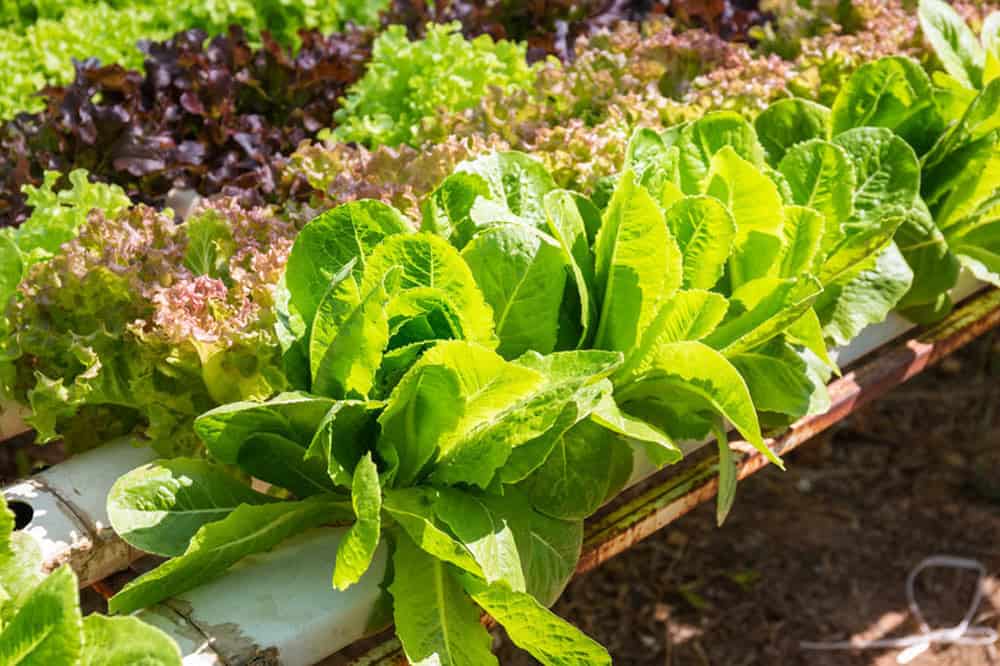
Growing lettuce in a hydroponic garden is a fantastic choice. It is easy to grow and has a quick harvest cycle. Lettuce is one of the most popular leafy greens for hydroponic systems.
Optimal Conditions
Lettuce thrives best in a controlled environment. Here are the optimal conditions:
- Temperature: 65-70°F (18-21°C)
- pH Level: 5.5 to 6.5
- Light: 12-16 hours of light per day
- Humidity: 50-70%
Maintaining these conditions ensures healthy lettuce growth. Use a thermometer and pH meter to monitor the environment.
Growth Tips
Follow these tips for growing robust lettuce in your hydroponic garden:
- Choose the Right Varieties: Opt for varieties like Butterhead, Romaine, or Loose-leaf.
- Spacing: Space plants 6-8 inches apart for optimal growth.
- Watering: Keep the roots moist, but not waterlogged.
- Nutrient Solution: Use a balanced hydroponic nutrient solution.
- Pest Control: Monitor for pests and use organic solutions if needed.
Regularly check your hydroponic system for any issues. This ensures a healthy and bountiful harvest.

Credit: www.amazon.com
Spinach
Spinach is a leafy green vegetable that thrives in hydroponic gardens. It’s rich in vitamins and minerals, making it a healthy addition to your diet. Growing spinach hydroponically ensures a steady supply of fresh greens all year round.
Ideal Environment
Spinach grows best in a controlled environment. Maintain the temperature between 60-70°F (15-21°C). The pH level of the nutrient solution should be between 6.0 and 7.0.
Ensure adequate lighting. Spinach requires 10-14 hours of light daily. Use full-spectrum LED lights for optimal growth.
| Parameter | Optimal Range |
|---|---|
| Temperature | 60-70°F (15-21°C) |
| pH Level | 6.0-7.0 |
| Light Duration | 10-14 hours/day |
Maintenance Advice
Regularly check the pH level of the nutrient solution. Adjust as needed to keep it between 6.0 and 7.0.
- Monitor the temperature. Use a thermometer to ensure it stays within the optimal range.
- Provide adequate lighting. Replace bulbs periodically to maintain light quality.
- Prune the leaves regularly. This encourages new growth and prevents overcrowding.
- Check for pests. Use organic solutions to manage any infestations.
By following these maintenance tips, you can enjoy a bountiful harvest of fresh spinach from your hydroponic garden.
Basil
Basil is one of the best herbs for hydroponic gardens. It grows quickly and is easy to maintain. This flavorful herb is perfect for beginners and expert gardeners alike.
Growing Requirements
Basil thrives in a hydroponic system with moderate light and warmth. Ensure the temperature stays between 70-80°F. Use a nutrient-rich solution with a pH level of 5.5-6.5.
Light is crucial for basil. Provide at least 12-16 hours of light daily. You can use LED grow lights for efficient energy use.
Maintain good air circulation to prevent fungal diseases. Use fans to keep the air moving.
Harvesting Techniques
Harvest basil leaves once the plant reaches 6-8 inches tall. Use clean scissors or pruning shears.
Always cut above a leaf pair. This encourages more growth. Avoid cutting more than one-third of the plant at a time.
Regular harvesting ensures a continuous supply of fresh basil. It also promotes healthier, bushier plants.
Tomatoes
Tomatoes are a popular choice for hydroponic gardens. They produce a bountiful harvest with the right care. Hydroponic tomatoes grow faster and yield more than soil-grown tomatoes. They are a favorite for their juicy, flavorful fruits. Let’s explore the best varieties and care instructions for growing hydroponic tomatoes.
Best Varieties
Choosing the right tomato variety is crucial for a successful hydroponic garden. Here are some of the best varieties:
- Cherry Tomatoes – Small, sweet, and perfect for salads.
- Beefsteak Tomatoes – Large, juicy, great for sandwiches.
- Roma Tomatoes – Firm, ideal for sauces and canning.
- Grape Tomatoes – Bite-sized, tasty for snacking.
These varieties thrive in hydroponic systems and offer diverse flavors and uses.
Care Instructions
Proper care ensures a healthy tomato crop. Follow these instructions:
| Care Aspect | Details |
|---|---|
| Light | Provide 14-18 hours of light daily. |
| Temperature | Maintain 65-75°F (18-24°C). |
| Humidity | Keep humidity levels between 40-70%. |
| Nutrients | Use a balanced nutrient solution weekly. |
| Pruning | Prune regularly to promote air circulation. |
| Pollination | Hand-pollinate or use a fan for better fruit set. |
By following these care tips, you can enjoy a bountiful harvest of fresh, delicious tomatoes from your hydroponic garden.
Cucumbers
Cucumbers are a popular choice for hydroponic gardens. They grow quickly and yield abundantly. Their fresh, crisp taste makes them a favorite in salads and pickles.
Growth Conditions
Cucumbers thrive in warm temperatures. Keep the temperature between 70°F and 75°F. They need about 12 to 14 hours of light each day. Use LED grow lights for the best results.
Maintain a pH level of 5.5 to 6.0. Ensure the nutrient solution is rich in nitrogen, potassium, and phosphorous. Check the nutrient levels regularly to keep the plants healthy.
Use a deep water culture or a nutrient film technique system. These systems provide the necessary oxygen and nutrients to the roots. Ensure the roots are always moist but not waterlogged.
Common Issues
Cucumbers can face some common problems in a hydroponic setup. One major issue is powdery mildew. This white, powdery fungus can spread quickly. Ensure good air circulation to prevent it.
Root rot is another concern. It occurs when roots stay too wet. Ensure proper drainage and oxygenation. Keep an eye on the roots’ health.
Spider mites and aphids are common pests. They can damage leaves and stunt growth. Use natural predators or neem oil to control these pests.
Monitor the plants regularly for nutrient deficiencies. Yellowing leaves may indicate a lack of nitrogen. Adjust the nutrient solution accordingly.

Credit: m.youtube.com
Peppers
Peppers are a fantastic choice for hydroponic gardens. They are easy to grow, and they yield a high harvest. Whether you’re growing bell peppers or spicy varieties, hydroponic systems can help you achieve great results.
Ideal Setup
The ideal setup for growing peppers in a hydroponic garden involves a few key elements.
- Lighting: Peppers need bright light for 12-16 hours a day. LED grow lights work well.
- Temperature: Maintain a temperature between 70-80°F. This range helps peppers thrive.
- pH Level: Keep the pH level between 6.0 and 6.5. This range is ideal for nutrient absorption.
- Humidity: Ensure humidity levels are around 50-70%. This helps in healthy growth.
Nutrient Needs
Peppers require specific nutrients to grow well in a hydroponic setup.
| Nutrient | Importance |
|---|---|
| Nitrogen | Essential for leaf and stem growth. |
| Phosphorus | Important for root development and flowering. |
| Potassium | Helps in fruit formation and disease resistance. |
Use a balanced nutrient solution to ensure peppers get all they need. This helps them grow strong and healthy.
Strawberries
Strawberries are a delightful addition to any hydroponic garden. These juicy, sweet fruits thrive in controlled environments. They provide a bountiful harvest all year round. Hydroponic systems offer ideal conditions for strawberries. This leads to faster growth and higher yields.
Cultivation Tips
Growing strawberries in a hydroponic garden is straightforward. Follow these tips to ensure a healthy crop:
- Choose the Right Variety: Select a day-neutral or everbearing variety. These types produce fruit throughout the growing season.
- Nutrient Solution: Use a balanced nutrient solution. This ensures proper growth and fruit development.
- pH Levels: Maintain the pH level between 5.5 and 6.5. This range is ideal for strawberries.
- Light Requirements: Provide 12-16 hours of light daily. Use LED grow lights for best results.
- Temperature: Keep the temperature between 60-80°F. This promotes optimal growth.
Pest Control
Keeping pests at bay is crucial for a healthy strawberry crop. Here are some effective pest control methods:
- Regular Inspection: Check plants regularly for signs of pests. Early detection is key.
- Natural Predators: Introduce beneficial insects like ladybugs. They help control aphids and other pests.
- Neem Oil: Spray neem oil to deter pests. It is safe and effective.
- Clean Environment: Maintain a clean growing area. Remove dead leaves and debris.
- Proper Ventilation: Ensure good airflow. This reduces the risk of mold and mildew.
Frequently Asked Questions
What Are The Easiest Hydroponic Plants To Grow?
Lettuce, spinach, and herbs like basil are among the easiest plants to grow in a hydroponic garden.
How Often Should You Water Hydroponic Plants?
Hydroponic plants typically need continuous water flow or periodic watering every few hours, depending on the system.
Do Hydroponic Plants Grow Faster?
Yes, hydroponic plants often grow faster due to optimized nutrient delivery and controlled environmental conditions.
Conclusion
A hydroponic garden offers numerous benefits and endless possibilities. These eight plants thrive exceptionally well in such setups. Start with these easy-to-grow choices for a rewarding experience. Enjoy fresh, healthy produce year-round. Happy gardening!