Fruits You Can Easily Grow In Your Home Garden: Simple Tips
Strawberries, tomatoes, and lemons are fruits you can easily grow in your home garden. These fruits thrive with minimal effort.
Growing your own fruits at home is both rewarding and practical. Freshly picked produce tastes better and is healthier. Home gardening also reduces your carbon footprint and saves money. Many fruits like strawberries, tomatoes, and lemons grow well in containers or small garden spaces.
These fruits require basic care such as sunlight, water, and occasional pruning. Beginners and seasoned gardeners alike can enjoy the process. By cultivating your own fruit garden, you gain control over what goes into your food. This ensures you and your family eat fresh, organic produce year-round. Start small and enjoy the fruits of your labor.
Benefits Of Growing Fruits At Home
Growing fruits at home offers fresh, organic produce and reduces grocery bills. Easily cultivate strawberries, tomatoes, and lemons in your garden.
Growing fruits at home offers many benefits. You enjoy fresh, tasty produce. You also help the environment. Plus, you improve your health. Let’s explore these benefits in detail.Health Advantages
Eating fresh fruits improves your health. Homegrown fruits are rich in vitamins and minerals. They are free from harmful chemicals. Here are some health benefits:- Vitamins and Minerals: Fresh fruits provide essential nutrients.
- Antioxidants: Homegrown fruits are rich in antioxidants.
- Fiber: Fruits help in digestion and keep your gut healthy.
- Reduced Pesticides: No harmful chemicals on your fruits.
Environmental Impact
Growing fruits at home helps the planet. It reduces your carbon footprint. Here are some environmental benefits:| Benefit | Description |
|---|---|
| Reduced Emissions: | No need for transport, reducing CO2 emissions. |
| Less Waste: | Home gardens use fewer plastic packages. |
| Pollinator Friendly: | Your garden helps bees and butterflies. |
Choosing The Right Fruits
Growing your own fruits at home can be a rewarding experience. You get to enjoy fresh, organic produce right from your garden. But first, it’s important to choose the right fruits. This decision depends on various factors such as climate, space, and personal preferences.
Climate Considerations
The climate in your area plays a crucial role in fruit selection. Some fruits thrive in warm climates, while others prefer cooler temperatures. Understanding your local climate will help you select the best fruits to grow.
| Fruit | Climate |
|---|---|
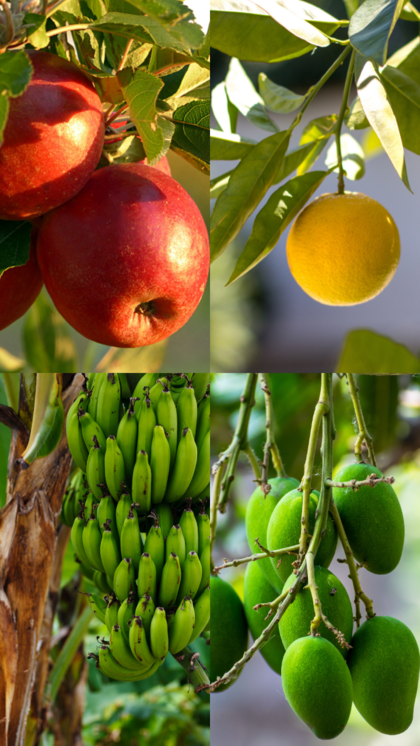
| Apples | Cool |
| Bananas | Warm |
| Strawberries | Moderate |
| Oranges | Warm |
Space Requirements
Space is another critical factor to consider. Some fruits need more room to grow, while others can thrive in smaller spaces. Knowing how much space you have will help you choose the right fruits for your garden.
- Small Space: Strawberries, Blueberries
- Medium Space: Apples, Pears
- Large Space: Oranges, Mangoes
For small spaces, consider using vertical gardening techniques. This way, you can maximize the space available and grow more fruit. Fruits like strawberries and blueberries can be grown in pots or hanging baskets. These options are perfect for balconies or small patios.
If you have a medium space, you can grow fruit trees like apples and pears. These trees require more room but can be pruned to fit smaller gardens. For large spaces, you can grow bigger trees like oranges and mangoes. These fruits need plenty of room to spread out and flourish.
Essential Gardening Tools
Growing fruits in your home garden is a rewarding experience. To get started, you need the right tools. These essential gardening tools will make your gardening easier and more fun.
Basic Tools
Having the right basic tools is crucial for any gardener. Here are some essential items you will need:
- Hand Trowel: Perfect for planting seeds and small plants.
- Pruning Shears: Ideal for trimming branches and stems.
- Garden Gloves: Protect your hands from dirt and thorns.
- Watering Can: Helps you water your plants evenly.
- Garden Fork: Useful for turning soil and removing weeds.
| Tool | Purpose |
|---|---|
| Hand Trowel | Planting seeds and small plants |
| Pruning Shears | Trimming branches and stems |
| Garden Gloves | Protecting hands from dirt and thorns |
| Watering Can | Watering plants evenly |
| Garden Fork | Turning soil and removing weeds |
Advanced Equipment
Once you have mastered the basics, consider these advanced tools to enhance your gardening:
- Garden Hoe: Great for cultivating soil and removing larger weeds.
- Wheelbarrow: Makes transporting soil, plants, and tools much easier.
- Compost Bin: Converts kitchen waste into valuable compost for your garden.
- Garden Sprayer: Useful for applying fertilizers and pest control solutions.
- Soil Tester: Helps you check the pH and nutrient levels of your soil.
Having these essential gardening tools will set you up for a successful home garden. Happy gardening!

Credit: www.wionews.com
Preparing Your Garden Space
Creating a garden space is crucial for growing fruits at home. A well-prepared garden ensures your plants thrive. Follow these steps to set up your garden space efficiently.
Soil Preparation
Good soil is the foundation of a healthy garden. First, test your soil’s pH level. Aim for a pH between 6.0 and 7.0. This range is ideal for most fruits. Next, clear the area of weeds and rocks. These can compete with your plants for nutrients.
Amend the soil with organic matter. Compost and aged manure work well. They improve soil structure and provide essential nutrients. Mix these materials into the top 6 inches of soil. This creates a nutrient-rich environment for your plants.
Water the soil thoroughly after amending. This helps the nutrients penetrate deeper. Let the soil rest for a week before planting. This waiting period allows the soil to settle and become more stable.
Garden Layout
Plan your garden layout before planting. This ensures efficient use of space. Group plants with similar water and sunlight needs. This makes care easier and more effective.
Consider the mature size of each plant. Space them accordingly to avoid overcrowding. Overcrowded plants compete for nutrients and sunlight. Use raised beds or containers if space is limited. They offer better control over soil quality and drainage.
Here is a simple table to help plan your garden layout:
| Fruit | Spacing (inches) | Sunlight Hours |
|---|---|---|
| Strawberries | 18 | 6-8 |
| Tomatoes | 24-36 | 6-8 |
| Blueberries | 48 | 6-8 |
Use paths to navigate your garden easily. Paths prevent soil compaction around plant roots. Mulch the paths to keep weeds at bay. Mulch also retains moisture in the soil.
Install a drip irrigation system for efficient watering. This system delivers water directly to the roots. It reduces water waste and promotes healthy growth.
Planting Techniques
Growing fruits at home is fun and rewarding. Knowing the right planting techniques can make your garden thrive. Here, we will discuss the importance of choosing between seedlings and seeds, and the proper planting depth for your fruit plants.
Seedlings Vs. Seeds
Both seedlings and seeds have their own benefits and drawbacks. Choosing the right one depends on your garden’s needs.
- Seedlings are young plants that have already sprouted. They can be planted directly into your garden. They give you a head start and often have a higher success rate.
- Seeds are more cost-effective and offer a wider variety of fruit plants. Growing from seeds takes longer and requires more care initially.
| Seedlings | Seeds |
|---|---|
| Faster growth | More affordable |
| Higher success rate | Greater variety |
| Less initial care | Requires more time |
Proper Planting Depth
The planting depth is crucial for the growth of your fruit plants. Planting too deep or too shallow can harm the plants.
- Seedlings: Dig a hole deep enough to cover the root ball. The top of the root ball should be level with the ground surface.
- Seeds: Follow the instructions on the seed packet. Different seeds require different depths. As a general rule, plant seeds at a depth of twice their diameter.
Ensure the soil is well-drained and rich in nutrients. Water the plants immediately after planting to help them settle in.
Watering And Fertilizing
Growing fruits in your home garden can be a rewarding experience. Proper watering and fertilizing are crucial for healthy fruit plants. This section will guide you on an optimal watering schedule and the best natural fertilizers to use.
Optimal Watering Schedule
Watering is essential for fruit plants to thrive. Here is a simple guide to follow:
- Morning: Water your plants early in the morning. This allows the water to reach the roots before the heat of the day.
- Consistency: Maintain a consistent watering schedule. Water your plants at the same time each day.
- Amount: Ensure the soil is moist but not waterlogged. Overwatering can lead to root rot.
Different fruits have different water needs. Check the specific requirements for each type:
| Fruit | Water Requirement |
|---|---|
| Tomatoes | 1-2 inches per week |
| Strawberries | 1-1.5 inches per week |
| Blueberries | 1-2 inches per week |
Natural Fertilizers
Using natural fertilizers can boost your fruit plants’ growth. They are eco-friendly and provide essential nutrients.
- Compost: Rich in organic matter. It improves soil structure and fertility.
- Fish Emulsion: Provides nitrogen. It promotes leafy growth and fruit development.
- Bone Meal: High in phosphorus. It encourages root growth and flowering.
- Wood Ash: Contains potassium. It helps with fruit quality and disease resistance.
Mix these natural fertilizers into the soil around your plants. Do this during planting and throughout the growing season.
Dealing With Pests
Dealing with pests in your home garden can be challenging. Pests can damage your fruits and hinder their growth. Here’s how to manage common garden pests and use organic pest control methods.
Common Garden Pests
Several pests love to munch on garden fruits. Knowing your enemies helps in tackling them effectively.
- Aphids: Small, sap-sucking insects. They usually cluster on new growth.
- Slugs and Snails: They leave holes in leaves and fruits.
- Caterpillars: These larvae chew through leaves and fruits.
- Spider Mites: Tiny pests that suck plant juices, causing yellow spots.
- Fruit Flies: They lay eggs inside fruits, leading to rot.
Organic Pest Control
Using organic methods keeps your garden healthy and chemical-free. Here are some effective strategies:
- Neem Oil: Mix neem oil with water. Spray on affected plants.
- Diatomaceous Earth: Sprinkle this powder around plants. It deters slugs and snails.
- Companion Planting: Plant basil near tomatoes. It repels aphids and flies.
- Beneficial Insects: Introduce ladybugs and predatory wasps. They eat harmful pests.
- Soap Spray: Mix water with a few drops of dish soap. Spray on plants to remove aphids.
Here’s a simple table to summarize some organic pest control methods:
| Pest | Organic Solution |
|---|---|
| Aphids | Soap Spray |
| Slugs and Snails | Diatomaceous Earth |
| Caterpillars | Neem Oil |
| Spider Mites | Beneficial Insects |
| Fruit Flies | Companion Planting |
Pruning And Maintenance
Proper pruning and maintenance are essential for a healthy home garden. It ensures the plants grow well and produce tasty fruits. This section will guide you on when to prune and how to maintain your fruit plants.
When To Prune
Pruning at the right time is crucial for plant health. Here is a simple guide:
- Spring: Best for most fruit trees like apples and pears.
- Summer: Ideal for stone fruits like peaches and cherries.
- Fall: Suitable for some berries like raspberries and blackberries.
- Winter: Good for dormant pruning, especially for grapes.
Maintenance Tips
Maintaining your fruit plants is easy with these tips:
- Watering: Water deeply but not too often.
- Weeding: Remove weeds regularly to avoid competition.
- Mulching: Use mulch to retain moisture and reduce weeds.
- Fertilizing: Apply organic fertilizer in early spring.
Follow these simple steps to keep your fruit garden thriving. Happy gardening!
Harvesting Your Fruits
Growing fruits in your home garden is rewarding. The final step is harvesting. Knowing the right time to pick ensures the best taste and nutrition. Here’s a guide to help you harvest your fruits successfully.
Signs Of Ripeness
Different fruits show ripeness in various ways. Look for these signs:
- Color: The fruit’s color should be vibrant and even.
- Texture: Press gently; ripe fruit gives slightly.
- Smell: Ripe fruits often emit a sweet aroma.
- Size: Mature fruits reach a specific size.
Keep an eye on these signs to pick your fruits at their peak.
Best Harvesting Practices
Follow these practices to ensure you get the best from your garden:
- Use Clean Tools: Always use clean, sharp tools to cut fruits.
- Early Morning Harvest: Pick fruits in the morning for the best flavor.
- Handle with Care: Avoid bruising; handle fruits gently.
- Store Properly: Place harvested fruits in a cool, shaded area.
These practices help maintain the quality of your fruits.
| Fruit | Ripeness Sign | Best Time to Harvest |
|---|---|---|
| Tomatoes | Deep red color | Morning |
| Strawberries | Bright red color | Morning |
| Apples | Firm and juicy | Late morning |
Use this table as a quick reference for your garden fruits.

Credit: www.amazon.com
Credit: www.timesnownews.com
Frequently Asked Questions
What Fruits Grow Best In Home Gardens?
Strawberries, tomatoes, and blueberries thrive in home gardens. They require minimal space and are easy to manage.
How Much Sunlight Do Fruit Plants Need?
Most fruit plants need at least 6-8 hours of sunlight daily. This ensures healthy growth and abundant fruit production.
Can You Grow Fruits Indoors?
Yes, you can grow fruits like lemons and strawberries indoors. Use containers and ensure sufficient light.
Conclusion
Growing fruits in your home garden is both rewarding and easy. You can enjoy fresh produce year-round. Start with simple options like strawberries, tomatoes, and blueberries. These fruits require minimal effort and space. Plus, they offer great taste and nutrition.
So, grab your gardening tools and start planting today!