This Will Protect Your Roses From Black Spot Disease: Proven Tips
To protect your roses from black spot disease, prune infected leaves and use fungicide regularly. Ensure proper air circulation around the plants.
Roses are cherished for their beauty and fragrance but are vulnerable to black spot disease. This fungal infection can mar their appearance and stunt growth. By taking preventive measures, you can keep your roses healthy and vibrant. Regular pruning of infected leaves and applying fungicide can significantly reduce the risk of this disease.
Additionally, maintaining proper air circulation around your rose plants helps prevent fungal growth. These simple yet effective steps will ensure your roses remain stunning and disease-free, allowing you to enjoy their beauty throughout the growing season.

Credit: www.lovethegarden.com
Introduction To Black Spot Disease
Black spot disease is a common issue for rose gardeners. This disease can harm the beauty and health of roses. Learning about black spot disease is essential for any rose lover.
What Is Black Spot?
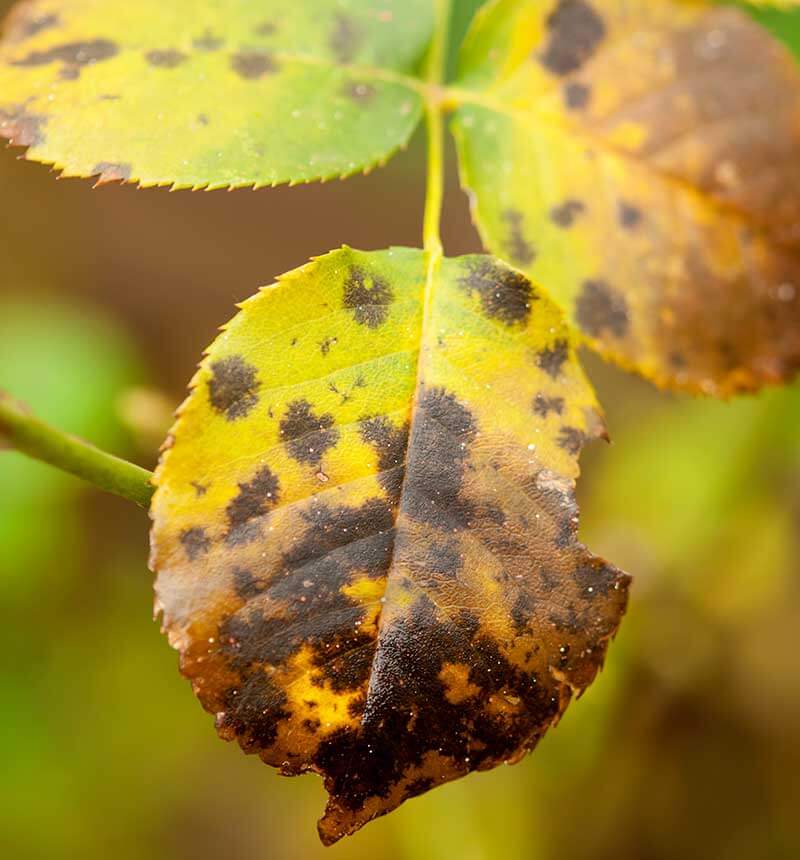
Black spot is a fungal disease that affects rose leaves. The disease creates black, round spots on the leaves. These spots have fringed edges. The fungus, Diplocarpon rosae, causes black spot. It spreads through water splashes and wind. Warm, wet weather encourages its growth.
Impact On Roses
Black spot disease can weaken your roses. It causes leaves to turn yellow and fall off. This reduces the plant’s ability to photosynthesize. Affected roses may produce fewer and smaller blooms. Severe infections can lead to plant death.
| Impact | Description |
|---|---|
| Leaf Damage | Black spots and yellowing leaves |
| Reduced Photosynthesis | Fewer nutrients for the plant |
| Smaller Blooms | Fewer and smaller flowers |
| Plant Death | Severe infections can kill the plant |
Identifying Early Signs
Recognizing early signs of black spot disease can save your roses. Early detection helps prevent severe damage and ensures healthy growth. Focus on both leaves and stems for initial indicators. Below, you’ll find key symptoms to watch for.
Leaf Symptoms
Leaves are the first to show signs of black spot disease. Look for the following symptoms:
- Black Spots: Small, round, black spots appear on the leaves.
- Yellowing: The area around the black spots turns yellow.
- Falling Leaves: Infected leaves fall off prematurely.
Use a magnifying glass for a closer look at the spots. Early detection on leaves can prevent the spread to the entire plant.
Stem And Flower Indicators
Stems and flowers also show early signs of black spot disease:
- Black Lesions: Look for black lesions on the stems.
- Weak Stems: Infected stems become weak and break easily.
- Flower Discoloration: Flowers may show discoloration and spots.
Check the base of the plant and new growth areas. Inspect regularly to catch early symptoms and protect your roses effectively.
| Symptom | Description |
|---|---|
| Black Spots | Small, round, black spots on leaves. |
| Yellowing | Area around black spots turns yellow. |
| Falling Leaves | Infected leaves fall off early. |
| Black Lesions | Black lesions appear on stems. |
| Weak Stems | Infected stems become weak. |
| Flower Discoloration | Flowers show spots and discoloration. |
Maintaining vigilant observation can help you protect your roses from black spot disease. Early detection is key to keeping your roses healthy and vibrant.
Choosing Resistant Varieties
Black spot disease is a common problem for rose gardeners. Choosing resistant varieties can help protect your roses from this disease. These roses are bred to withstand black spot, ensuring your garden stays healthy and beautiful.
Top Resistant Roses
Here are some top resistant roses you can plant:
- Knock Out Roses: Known for their hardiness and vibrant blooms.
- Carefree Beauty: A pink rose that is both beautiful and tough.
- Flower Carpet Roses: These ground-cover roses are highly resistant.
- Home Run Roses: Offers continuous blooms and disease resistance.
- Zephirine Drouhin: A thornless climbing rose with strong resistance.
Benefits Of Resistant Varieties
Choosing resistant varieties offers many benefits:
- Less Maintenance: Resistant roses need fewer treatments and sprays.
- Healthier Plants: These roses are less likely to get infected.
- Longer Bloom Time: Healthy plants produce more flowers.
- Cost-Effective: Save money on treatments and replacements.
- Eco-Friendly: Reduces the need for chemical sprays.
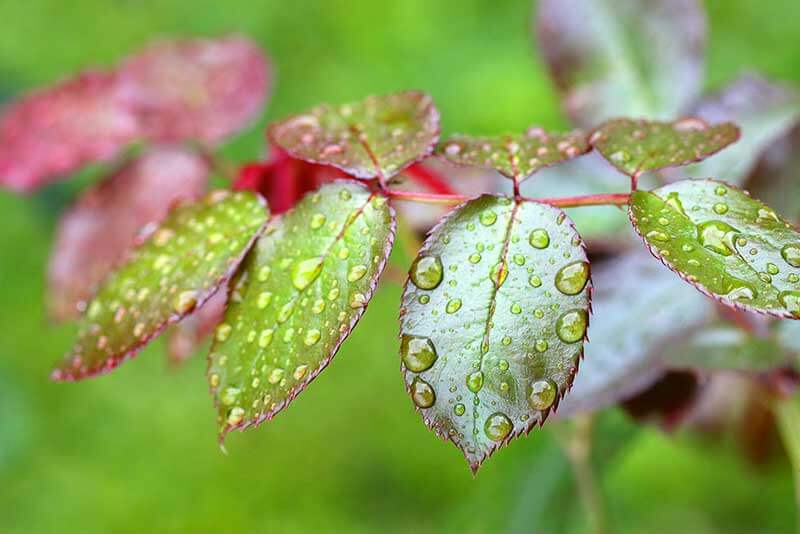
Investing in resistant varieties can make your garden more enjoyable. Enjoy beautiful blooms with less effort. Protect your roses from black spot disease by choosing wisely.
Credit: www.gardentech.com
Proper Planting Techniques
Ensuring your roses are planted correctly is key to their health. Proper planting techniques help prevent diseases like black spot. Follow these guidelines for robust and beautiful roses.
Ideal Soil Conditions
Roses thrive in rich, well-draining soil. This type of soil prevents waterlogging which can lead to root rot. Test your soil for a pH between 6.0 and 7.0. Add organic matter to improve soil structure.
- Compost: Adds nutrients and improves soil texture.
- Manure: Provides essential minerals for growth.
- Mulch: Retains moisture and suppresses weeds.
Check soil moisture regularly. Ensure it remains consistently moist but not soggy.
Spacing And Sunlight
Roses need enough space to grow and good air circulation. This reduces the risk of black spot disease.
| Rose Type | Recommended Spacing |
|---|---|
| Hybrid Tea | 2-3 feet apart |
| Floribunda | 18-24 inches apart |
| Grandiflora | 2-3 feet apart |
Plant roses in a location that gets at least six hours of sunlight daily. This helps them bloom beautifully and stay healthy.
- Choose a sunny spot.
- Ensure good air circulation.
- Monitor the plants regularly.
Proper planting techniques are essential. They ensure your roses remain healthy and disease-free.
Effective Watering Practices
Watering your roses properly is key to preventing black spot disease. This involves a careful balance of providing enough moisture without creating conditions that encourage disease. Below, we explore the most effective watering practices.
Watering Schedule
Establish a regular watering schedule for your roses. Aim to water early in the morning. This allows the soil to absorb moisture before the heat of the day. Water deeply about two to three times a week.
- Early Morning: Best time for watering.
- Frequency: Two to three times a week.
- Depth: Water deeply to reach roots.
Avoiding Overhead Watering
Avoiding overhead watering is crucial. Wet leaves can promote black spot disease. Instead, use a soaker hose or drip irrigation. These methods deliver water directly to the soil.
| Watering Method | Benefits |
|---|---|
| Soaker Hose | Delivers water to soil, keeps leaves dry. |
| Drip Irrigation | Efficient and reduces water waste. |
Keep leaves dry to prevent disease. Ensure soil is moist but not waterlogged.
Regular Pruning Methods
Roses can easily fall prey to black spot disease. Regular pruning helps protect them. Pruning removes diseased parts and promotes healthy growth. Learn effective pruning methods to keep your roses thriving.
Pruning Tools
Using the right tools is vital for successful pruning. Here’s a list of essential pruning tools:
- Pruning Shears: For small branches and deadheading blooms.
- Long-Handled Loppers: Ideal for thicker branches.
- Pruning Saw: Used for very thick, woody stems.
- Gloves: Protect your hands from thorns.
- Disinfectant: Clean tools between cuts to prevent disease spread.
Best Time To Prune
Pruning time affects rose health. Here’s a guide to the best times:
| Season | Pruning Activity |
|---|---|
| Late Winter | Cut back the main structure. |
| Early Spring | Remove dead or diseased canes. |
| Summer | Deadhead spent blooms. |
| Fall | Light pruning, remove weak stems. |
Remember to use sharp, clean tools for clean cuts. Avoid pruning during wet weather to prevent disease spread. Your roses will reward you with abundant, healthy blooms.
Organic Treatments
Organic treatments can protect your roses from black spot disease. These methods are safe for the environment and your garden. They help in keeping your roses healthy without harmful chemicals.
Homemade Remedies
Homemade remedies are cost-effective and easy to make. Here are some effective options:
- Baking Soda Spray: Mix 1 tablespoon of baking soda with 1 gallon of water. Add a few drops of liquid soap. Spray this on your roses once a week.
- Milk Spray: Mix 1 part milk with 2 parts water. Spray this on your roses every 10 days. Milk helps in preventing fungus growth.
- Garlic Spray: Crush 5 cloves of garlic and mix with 1 quart of water. Let it sit overnight. Strain and spray this on your roses weekly.
Commercial Organic Options
There are commercial organic options available for treating black spot disease. These products are easy to use and effective.
| Product Name | Active Ingredients | Application Frequency |
|---|---|---|
| Neem Oil Spray | Neem Oil | Once a week |
| Horticultural Oil | Mineral Oil | Every 7-14 days |
| Sulfur Powder | Sulfur | Every 10 days |
These products are available at garden centers and online stores. Read the labels carefully before use. Follow the instructions for the best results.
Credit: www.gardentech.com
Chemical Control Options
Black spot disease can devastate roses. Chemical control options provide an effective solution. These options offer protection and treatment for your beloved roses.
Fungicide Choices
Selecting the right fungicide is crucial. Several options exist, each with unique benefits. Here are some top choices:
- Chlorothalonil: A broad-spectrum fungicide. Effective and widely used.
- Myclobutanil: Targets specific fungi, including black spot.
- Propiconazole: Offers both preventive and curative properties.
- Triforine: Known for its systemic action. Protects the entire plant.
Always read the labels. Follow the instructions for safe use.
Application Tips
Proper application ensures the best results. Here are some tips:
- Apply fungicide early in the morning. Avoid the hot sun.
- Ensure complete coverage. Spray both sides of the leaves.
- Follow the recommended frequency. Usually, every 7-14 days.
- Wear protective clothing. Keep yourself safe during application.
Consistency is key. Regular applications prevent the spread of black spot disease.
Preventive Maintenance
Protecting your roses from Black Spot Disease requires proactive care. Preventive maintenance is key. Follow these guidelines to keep your roses healthy.
Seasonal Checklists
Regular checks are crucial. Use these seasonal checklists for guidance:
| Season | Action Items |
|---|---|
| Spring |
|
| Summer |
|
| Fall |
|
| Winter |
|
Long-term Care Strategies
For long-term health, adopt these care strategies:
- Soil Quality: Use well-drained soil.
- Proper Spacing: Ensure adequate space between plants.
- Regular Pruning: Remove dead or diseased branches.
- Watering Technique: Water at the base, not the leaves.
- Fungicide Application: Use organic options when possible.
These steps will help keep your roses vibrant and healthy.
Frequently Asked Questions
How To Prevent Black Spot On Roses?
Regularly prune your roses to improve air circulation. Use fungicide sprays and water the base to keep leaves dry.
What Causes Black Spot On Rose Leaves?
Black spot is caused by the fungus Diplocarpon rosae. It thrives in warm, humid conditions and spreads through water splashes.
Can Black Spot Kill My Rose Bushes?
Black spot weakens roses by reducing photosynthesis. While not usually fatal, severe infestations can significantly damage plants over time.
Conclusion
Protecting your roses from black spot disease is essential for their health. Follow the tips shared to keep your garden thriving. Regular maintenance and vigilant care will ensure your roses remain beautiful and vibrant. Stay proactive, and your roses will reward you with stunning blooms all season long.
Happy gardening!