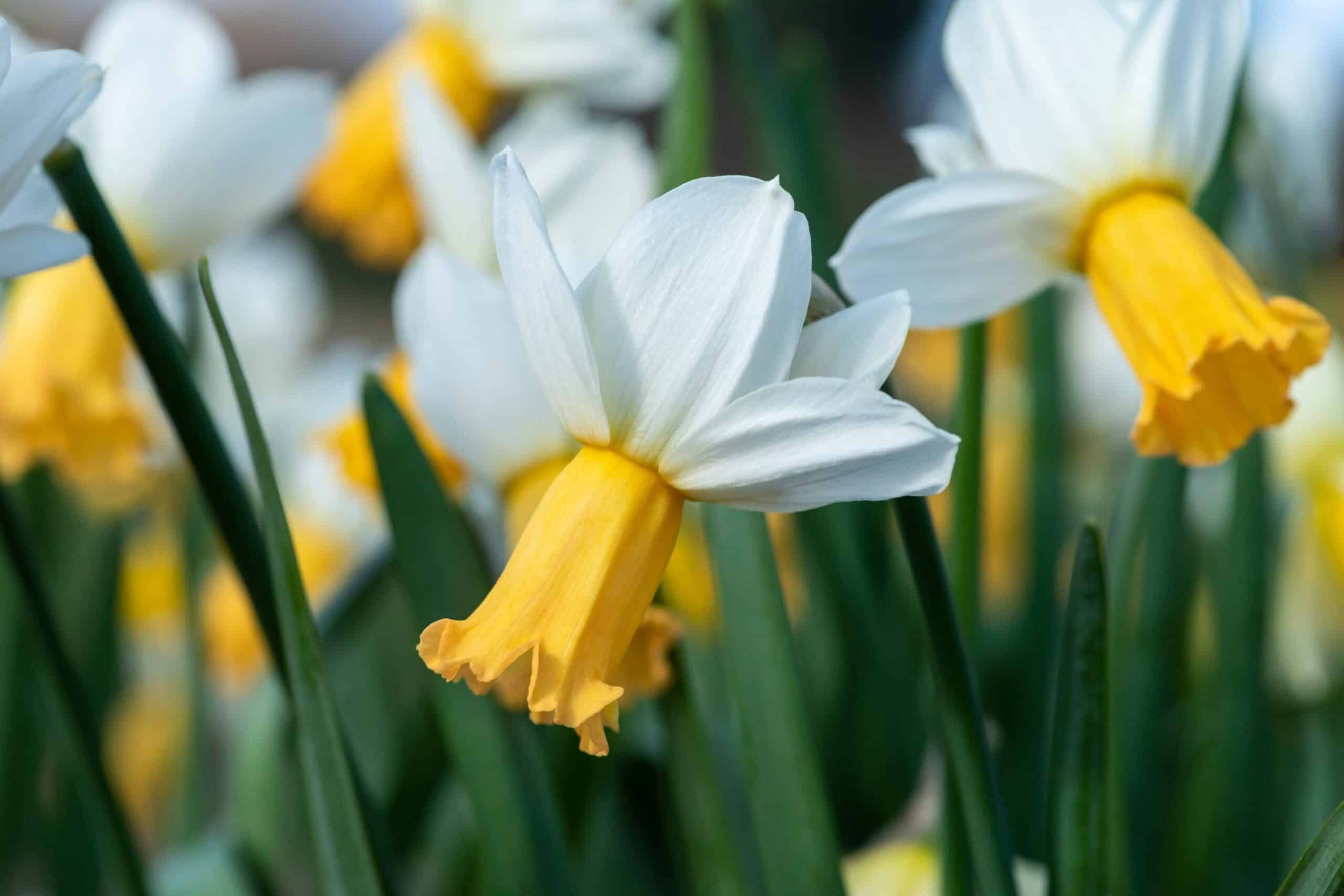
The Best Shorter Daffodils To Plant Now For Spring: Top Picks
The best shorter daffodils to plant now for spring include Tête-à-Tête, Minnow, and Jetfire. These varieties are perfect for compact spaces.
Shorter daffodils provide vibrant color without overwhelming smaller garden areas. Tête-à-Tête blooms early with bright yellow flowers, making it a popular choice. Minnow offers clusters of petite, fragrant blooms that add charm to any garden. Jetfire features orange cups and yellow petals, bringing a splash of contrast.
These daffodils are easy to grow and require minimal maintenance. They thrive in well-drained soil and full to partial sunlight. Planting these daffodils now ensures a beautiful spring display. Their short stature also makes them ideal for pots, borders, and rock gardens.
Introduction To Shorter Daffodils
Daffodils bring joy and color to spring gardens. They are easy to grow and care for. Shorter daffodils are perfect for small spaces and containers. These petite blooms offer charm and beauty without overwhelming the garden.
Why Choose Shorter Varieties?
Shorter daffodils provide many advantages. Here are a few reasons to choose them:
- Space-saving: Ideal for small gardens and pots.
- Ease of care: Less prone to falling over in wind.
- Versatile: Mix well with other spring flowers.
Benefits For Your Garden
Adding shorter daffodils to your garden brings numerous benefits:
| Benefit | Description |
|---|---|
| Early Blooms | Shorter varieties often bloom early in spring. |
| Low Maintenance | These daffodils require minimal care and attention. |
| Attractive Borders | Perfect for creating beautiful garden borders. |
Top Picks For Shorter Daffodils
Shorter daffodils bring charm and beauty to any garden. They fit well in small spaces and add a splash of color. Here are the top picks for shorter daffodils to plant now for a stunning spring display.
Tete-a-tete
Tete-a-Tete daffodils are a popular choice for many gardeners. They are small, with bright yellow flowers. Each stem produces multiple blooms. These daffodils grow up to 15 cm tall. They are perfect for pots, borders, and rock gardens.
Here are some key features:
- Height: 15 cm
- Color: Bright yellow
- Bloom time: Early spring
- Uses: Pots, borders, rock gardens
Minnow
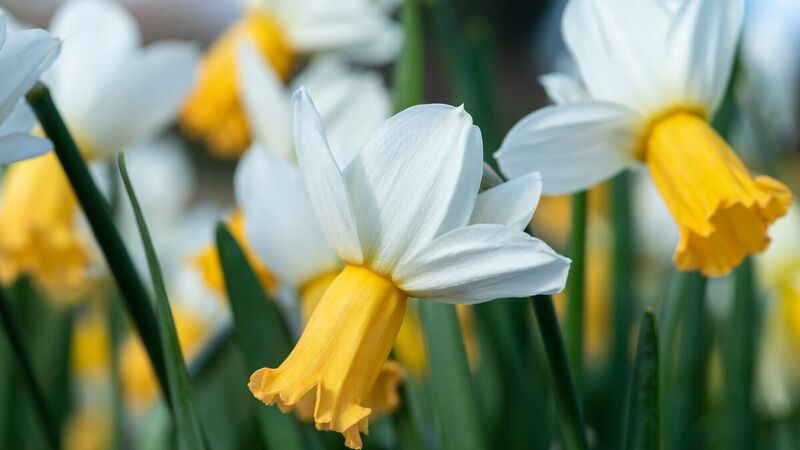
The Minnow daffodil is another excellent choice. It has creamy white petals and a yellow center. This variety grows to about 20 cm tall. Minnow daffodils bloom in mid-spring and are ideal for naturalizing.
Here are some key features:
- Height: 20 cm
- Color: Creamy white with yellow center
- Bloom time: Mid-spring
- Uses: Naturalizing, garden beds, containers
| Daffodil Variety | Height | Color | Bloom Time | Uses |
|---|---|---|---|---|
| Tete-a-Tete | 15 cm | Bright yellow | Early spring | Pots, borders, rock gardens |
| Minnow | 20 cm | Creamy white with yellow center | Mid-spring | Naturalizing, garden beds, containers |
Planting Tips
Planting shorter daffodils for spring can brighten any garden. Follow these planting tips to ensure your daffodils thrive.
Choosing The Right Location
Select a spot with full or partial sunlight. Daffodils need at least six hours of sunlight daily. Avoid areas with deep shade. They should be planted in well-drained locations to prevent root rot.
Soil Preparation
Prepare the soil before planting your daffodils. Use a spade to loosen the soil. Ensure it is well-drained and rich in organic matter. You can add compost to enrich the soil.
| Soil Type | Amendments |
|---|---|
| Clay | Add sand and compost |
| Sandy | Add compost and peat moss |
| Loamy | Ideal, no amendments needed |
Plant daffodil bulbs at a depth of 6 inches. Space them 4-6 inches apart. Place the bulbs pointy side up. Cover them with soil and water well.
Maintain moist soil during the growing season. Avoid waterlogging, as this can damage the bulbs. Mulch the area to retain moisture and suppress weeds.
- Use a balanced fertilizer to boost growth.
- Avoid high-nitrogen fertilizers.
- Water the daffodils regularly, especially in dry periods.
Following these tips will help your daffodils bloom beautifully in spring.
Credit: www.irishexaminer.com
Care And Maintenance
Shorter daffodils bring joy to spring gardens. To keep them healthy, follow these care and maintenance tips. Proper watering and fertilizing ensure vibrant blooms.
Watering Needs
Watering is crucial for daffodils. Keep the soil moist but not soggy. Too much water can cause rot. Water the plants once a week. Use a gentle spray to avoid damaging the bulbs.
During dry spells, water more often. Check the soil regularly. If the top inch is dry, it’s time to water. Always water in the morning. This helps prevent fungal diseases.
Fertilizing Tips
Fertilizing daffodils helps them grow strong. Use a balanced fertilizer. Apply it in early spring when shoots appear.
Avoid high-nitrogen fertilizers. These can cause weak stems. Look for a 5-10-10 mix. Follow the instructions on the package. Over-fertilizing can harm the plants.
After blooming, feed the daffodils again. This helps them store energy for next year. Use a low-nitrogen fertilizer. This keeps the bulbs healthy and ready for the next season.
Pest And Disease Control
Protecting your shorter daffodils from pests and diseases is crucial. Healthy bulbs lead to beautiful spring blooms. Let’s explore how to keep your daffodils thriving.
Common Pests
Shorter daffodils can attract several common pests. These pests can damage leaves, bulbs, and flowers. Here are the most common ones:
- Aphids: These small insects suck the sap from leaves and stems.
- Slugs and Snails: They eat holes in leaves and flowers.
- Narcissus Bulb Fly: This fly lays eggs in bulbs, leading to rot.
Preventative Measures
Prevention is better than cure. Follow these steps to keep your daffodils healthy:
- Regular Inspection: Check plants weekly for signs of pests.
- Natural Predators: Introduce ladybugs to control aphids.
- Barrier Methods: Use copper tape around pots to deter slugs and snails.
- Proper Planting: Plant bulbs at the correct depth to avoid bulb flies.
| Common Pests | Signs | Control Methods |
|---|---|---|
| Aphids | Sticky residue, curling leaves | Spray with soapy water |
| Slugs and Snails | Holes in leaves and flowers | Hand-pick at night |
| Narcissus Bulb Fly | Soft, rotten bulbs | Remove affected bulbs |

Credit: www.ireland-live.ie
Companion Plants
Companion plants enhance the beauty and health of your daffodils. Planting the right companions helps create a stunning garden display. They also support daffodils by attracting pollinators and repelling pests.
Best Plant Combinations
Pairing daffodils with other plants makes your garden more vibrant. Here are some of the best combinations:
- Tulips: These bloom alongside daffodils, adding bright colors.
- Crocuses: Early bloomers that provide a beautiful ground cover.
- Forget-me-nots: Their blue flowers contrast well with yellow daffodils.
- Grape Hyacinths: These small bulbs offer a rich purple hue.
Creating Visual Harmony
Creating visual harmony involves choosing plants that complement daffodils. Pay attention to color, height, and bloom time.
Color: Choose colors that contrast or complement daffodil yellow. Blues, purples, and whites work well.
Height: Use shorter plants in front and taller ones behind. This ensures all plants are visible.
Bloom Time: Select plants that bloom at the same time or just before. This extends the flowering season and keeps your garden lively.
Here is a simple table to help you choose:
| Companion Plant | Color | Height | Bloom Time |
|---|---|---|---|
| Tulips | Various | 10-24 inches | Spring |
| Crocuses | Purple, Yellow, White | 3-6 inches | Early Spring |
| Forget-me-nots | Blue | 6-12 inches | Spring |
| Grape Hyacinths | Purple | 6-8 inches | Spring |
Plan your garden with these combinations for a delightful spring display.
Seasonal Care
Seasonal care is essential for the best shorter daffodils. This ensures vibrant blooms in spring. Proper care during winter and early spring is crucial. Below, we discuss Winter Protection and Spring Bloom Enhancement to help your daffodils thrive.
Winter Protection
Winter can be harsh on daffodils. Protecting them ensures healthy growth. Follow these steps for optimal winter care:
- Mulch: Apply a 2-inch layer of mulch around the plants.
- Insulation: Use straw or leaves for additional insulation.
- Watering: Ensure the soil is moist before the first frost.
These steps help daffodils survive the cold months. Winter protection is simple but crucial for spring blooms.
Spring Bloom Enhancement
Enhance your daffodils’ blooms with proper spring care. Follow these tips for vibrant flowers:
- Remove Mulch: Remove the winter mulch layer as the weather warms.
- Fertilize: Use a balanced, slow-release fertilizer in early spring.
- Water: Water the plants regularly, keeping the soil moist.
These steps promote healthy growth and vibrant blooms. Spring bloom enhancement is key for beautiful daffodils.
Credit: www.independent.co.uk
Daffodil Varieties For Different Climates
Daffodils are a favorite spring flower for many gardeners. Choosing the right variety can ensure a stunning display. Different climates require different daffodil varieties. Below, we explore the best options for cold and warm climates.
Cold-climate Varieties
In cold climates, daffodils need to withstand frost and snow. Here are some hardy varieties:
| Variety | Height | Bloom Time |
|---|---|---|
| Jetfire | 8-10 inches | Early Spring |
| Tête-à-Tête | 6-8 inches | Mid Spring |
| February Gold | 10-12 inches | Late Winter |
These varieties are known for their resilience. They can bloom even after a harsh winter. Plant them in well-drained soil for the best results.
Warm-climate Varieties
Warm climates require daffodils that can tolerate heat. Here are some top choices:
| Variety | Height | Bloom Time |
|---|---|---|
| Quail | 12-14 inches | Mid Spring |
| Hawera | 8-10 inches | Late Spring |
| Rip Van Winkle | 6-8 inches | Early Spring |
These varieties thrive in warmer temperatures. Ensure they get full sun and occasional watering. This will help them flourish.
Frequently Asked Questions
What Are The Best Shorter Daffodils?
The best shorter daffodils include Tête-à-Tête, Jetfire, and Rip van Winkle. They are vibrant and compact.
When Should I Plant Shorter Daffodils?
Plant shorter daffodils in the fall, before the ground freezes. This ensures spring blooms.
How To Care For Shorter Daffodils?
Water regularly, ensure well-drained soil, and remove spent flowers. This promotes healthy growth and future blooms.
Conclusion
Planting shorter daffodils now ensures a vibrant spring garden. These varieties are perfect for small spaces and containers. Choose your favorites and enjoy a burst of color. Happy gardening!